
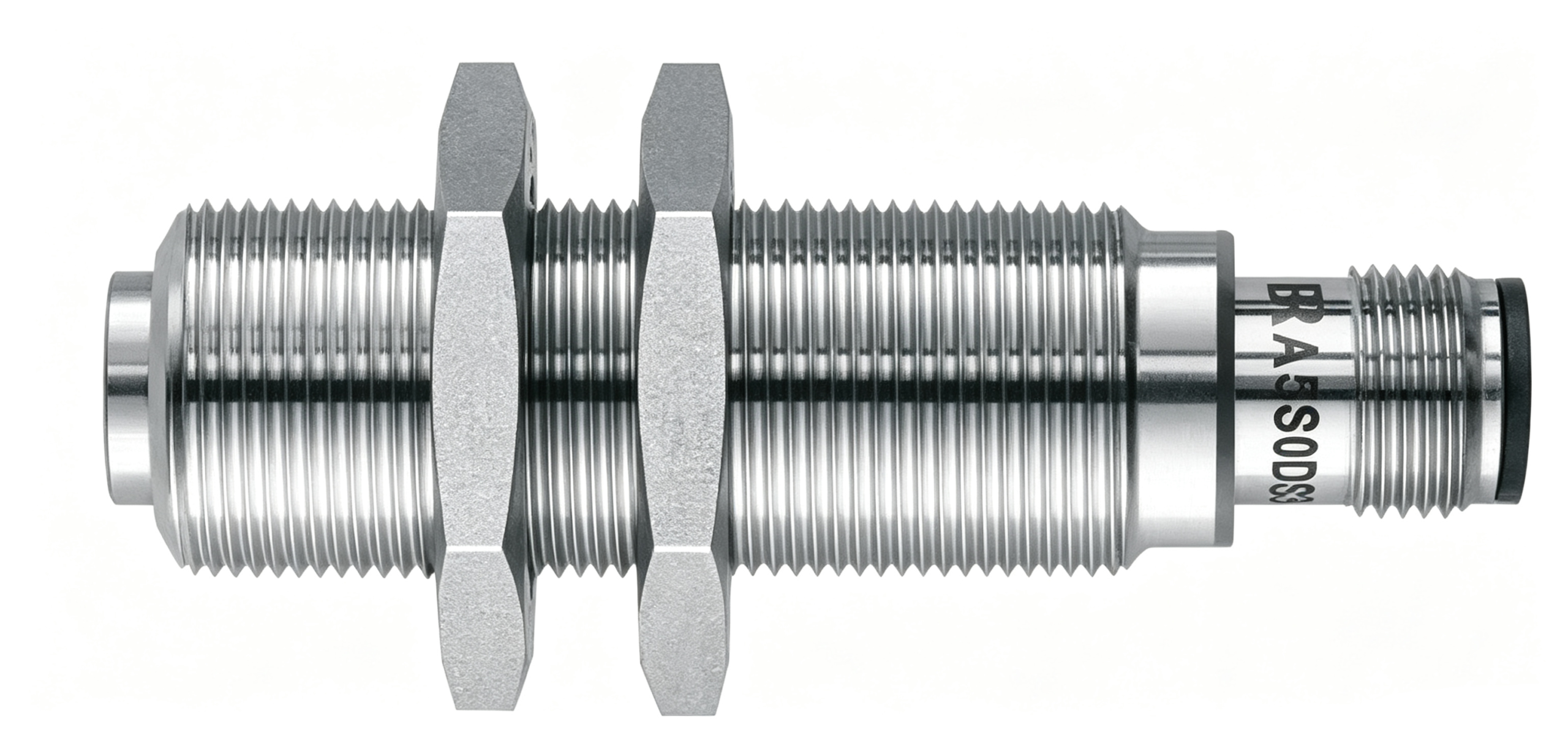
BRAUN A5S05B90-06 Speed Sensor for Steam Turbine Speed Measurement Systems
BRAUN A5S05B90-06 is a differential Hall-effect speed sensor designed for rotational speed
measurement in industrial machinery. The sensor belongs to the BRAUN A5S series and is associated
with applications where reliable detection of rotating machine speed is required. Its design is
particularly relevant to steam turbine and other rotating equipment monitoring systems.
The A5S05B90-06 uses a differential Hall-effect sensing principle to detect changes produced by
a suitable rotating target. The resulting electrical signal can be used by a monitoring, protection,
control or speed-measurement system to determine the rotational condition of the machine.
This model is identified by the part number A5S05B90-06. Available product documentation and
equipment references identify it as a BRAUN speed sensor, while industrial equipment records also
associate the model with Siemens steam turbine applications. The sensor should therefore be evaluated
according to the actual machine configuration and the applicable turbine instrumentation documentation.
Product Identification
| Parameter | Information |
|---|---|
| Manufacturer | BRAUN |
| Model | A5S05B90-06 |
| Product Type | Speed Sensor |
| Sensor Principle | Differential Hall Effect |
| Series | A5S Series |
| Thread | M14 x 1.5 |
| Nominal Length | 90 mm |
| Connection | Plug-in connection |
| Protection | IP67 |
| Typical Application | Rotational speed and turbine monitoring |
Differential Hall-Effect Sensing Principle
The A5S series uses a differential Hall-effect sensing principle. Hall-effect technology allows
the sensor to detect changes in the magnetic field associated with a rotating ferrous target or
other suitable machine profile. As the target moves past the sensing element, the sensor produces
an electrical output corresponding to the detected rotational movement.
A differential sensing arrangement can help reduce the influence of external magnetic disturbances
compared with a simple single-ended sensing configuration. This characteristic is useful in industrial
rotating machinery, where vibration, electromagnetic fields and other environmental conditions can
be present around the measurement point.
The sensor can detect different types of suitable machine profiles, including gear wheels, slots,
cams and holes in ferrous materials. The actual target geometry and installation clearance must be
evaluated according to the sensor documentation and the machine design.
Mechanical Configuration
BRAUN A5S05B90-06 uses an M14 x 1.5 mounting thread and has a nominal sensor length of 90 mm.
The threaded construction allows the sensor position to be adjusted relative to the rotating target
during installation.
Correct mechanical positioning is important for speed sensing. The distance between the sensor tip
and rotating target must remain within the permitted sensing range. Excessive clearance may reduce
the quality of the detected signal, while insufficient clearance can create a risk of mechanical
contact between the sensor and rotating machine components.
The installation position should therefore be established using the applicable machine drawing and
sensor documentation rather than relying only on the nominal thread or overall length.
Electrical Signal and Speed Measurement
The differential Hall-effect principle provides a switching signal as the target passes the sensing
area. The resulting pulse signal can be processed by an associated turbine monitoring or control
system to determine rotational speed.
According to available A5S series documentation, the sensor family supports speed measurement from
very low rotational rates up to high pulse frequencies. The documented response characteristics are
suitable for demanding rotating machinery applications where the speed signal must be transmitted
to an electronic monitoring system.
The actual measurement range in a specific installation depends on the target profile, rotational
speed, number of detectable features, sensor clearance and the input characteristics of the
connected monitoring system.
Environmental Characteristics
Industrial turbine environments can expose sensors to vibration, temperature variation and
electromagnetic interference. The A5S series is designed for industrial speed sensing and uses a
sealed stainless-steel sensor enclosure.
| Characteristic | Reference Information |
|---|---|
| Operating Temperature | Approximately -40 °C to +125 °C for the documented A5S series |
| Protection Rating | IP67 |
| Housing Material | Stainless steel |
| Application Environment | Industrial rotating machinery |
These environmental characteristics make the sensor suitable for demanding industrial measurement
locations. However, the complete application temperature must always be checked against the actual
mounting location because the surrounding machine temperature may differ significantly from the
nominal sensor specification.
Connection Configuration
A5S05B90-06 is associated with a plug-in connection arrangement. The connector provides the interface
between the sensor and the associated instrumentation wiring. Correct connector selection and cable
arrangement are important for maintaining the signal integrity of the speed measurement circuit.
The sensor should be connected according to the applicable BRAUN wiring documentation and the input
circuit of the receiving speed-monitoring equipment. The supply voltage, signal polarity and grounding
arrangement should be verified before commissioning.
Where long cable runs are used, the installation should also consider electromagnetic interference
and cable routing. Speed signals used by turbine protection or monitoring systems can be important
to machine operation, so wiring should follow the requirements of the associated instrumentation
system.
Steam Turbine Applications
Speed measurement is a fundamental function in steam turbine instrumentation. Rotational speed
information can be used by control and protection systems for monitoring operating conditions and
identifying abnormal changes in shaft speed.
BRAUN A5S05B90-06 has been referenced in Siemens steam turbine equipment documentation as a speed
sensor. In such applications, the sensor is installed close to an appropriate rotating target and
provides a pulse signal to the connected instrumentation system.
Depending on the overall turbine architecture, speed signals may be used for control functions,
overspeed monitoring, synchronization-related functions or other machine protection tasks. The
exact function depends on the turbine instrumentation design rather than on the sensor alone.
Replacement and Part Number Identification
Correct part-number identification is important when replacing a turbine speed sensor. The complete
model A5S05B90-06 should be compared with the existing sensor identification and the equipment
documentation.
Available industrial references indicate that A5S05B90-06 succeeded A5S05B90-05 in certain
applications. This makes it particularly important to verify the actual replacement configuration,
connector arrangement, cable requirements and machine mounting dimensions before installation.
The sensor should not be selected only by matching the general description “speed sensor.” The
thread specification, nominal length, connector type, sensing principle and target arrangement all
need to correspond to the existing application.
Maintenance Considerations
During maintenance, the sensor tip and mounting area should be inspected for contamination,
mechanical damage and evidence of contact with the rotating target. The sensor clearance should
also be checked according to the applicable installation specification.
If an unexpected speed signal occurs, troubleshooting should include the complete measurement chain.
This may include the sensor, connector, cable, power supply, receiving input circuit and rotating
target. A sensor fault should not be assumed solely because the monitoring system displays an
abnormal speed value.
Mechanical vibration should also be considered. A loose mounting arrangement can change the sensor
position relative to the target and may cause intermittent signal behavior. The mounting thread and
locking arrangement should therefore be maintained according to the machine manufacturer’s procedure.
Technical Advantages of the A5S Series
- Differential Hall-effect sensing technology for rotational speed detection.
- Suitable for ferrous rotating targets with appropriate profiles.
- Industrial stainless-steel sensor construction.
- IP67 protection for demanding industrial environments.
- Wide documented operating temperature range for the A5S series.
- Threaded mechanical installation for controlled sensor positioning.
- Plug-in connection arrangement for applicable configurations.
- Suitable for high-speed rotating machinery measurement applications.
Technical Summary
| Item | Technical Summary |
|---|---|
| Part Number | A5S05B90-06 |
| Manufacturer | BRAUN |
| Sensor Type | Differential Hall-effect speed sensor |
| Thread | M14 x 1.5 |
| Nominal Length | 90 mm |
| Connection | Plug-in connector |
| Protection | IP67 |
| Typical Equipment | Steam turbines and rotating machinery |
| Measurement | Rotational speed |
Technical Note
A5S05B90-06 is a BRAUN speed sensor rather than an ABB product. When creating a product
listing or replacement record, the manufacturer should therefore be identified as BRAUN.
Compatibility should be verified against the installed sensor, turbine configuration, mounting
dimensions, connector arrangement and applicable instrumentation documentation.
Conclusion
BRAUN A5S05B90-06 is a differential Hall-effect speed sensor designed for rotational speed
measurement in industrial machinery. Its M14 x 1.5 mounting thread, 90 mm nominal length,
plug-in connection and industrial construction make it suitable for applications where accurate
detection of rotating machine movement is required.
The model is particularly relevant to steam turbine instrumentation and other rotating equipment
systems. For replacement work, the complete A5S05B90-06 part number and mechanical and electrical
characteristics should be checked against the existing installation to ensure correct system
integration.
评价
目前还没有评价