
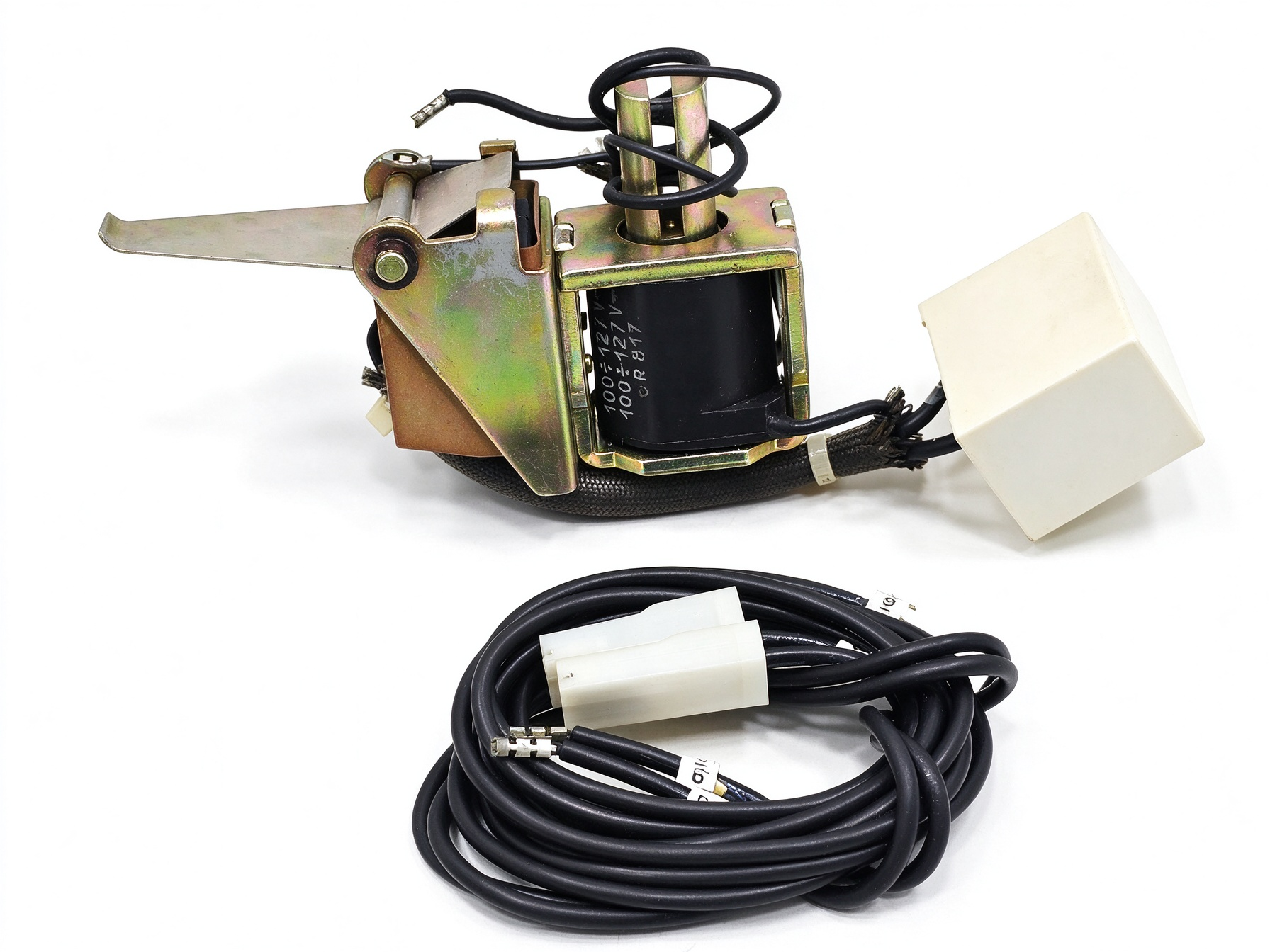
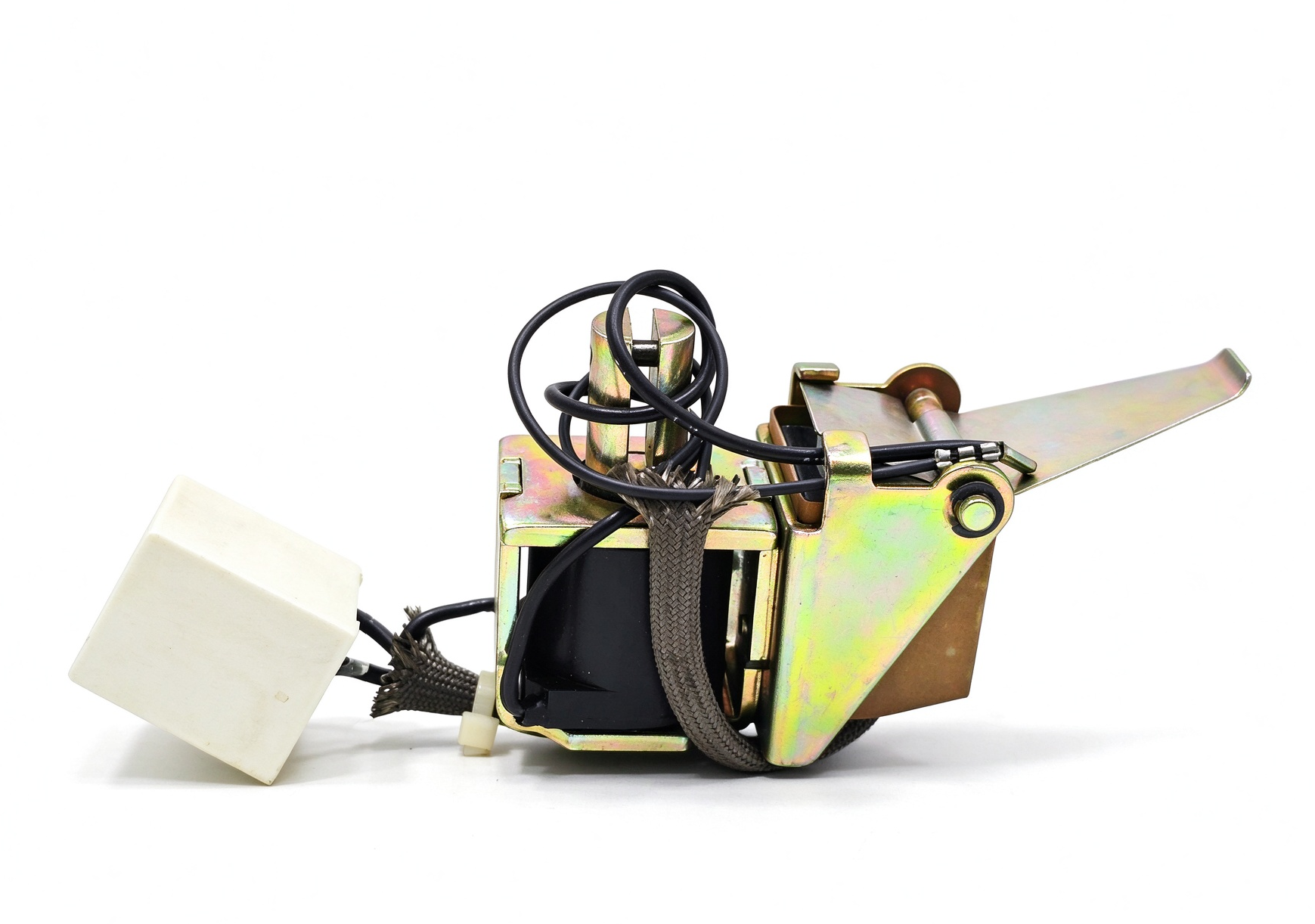
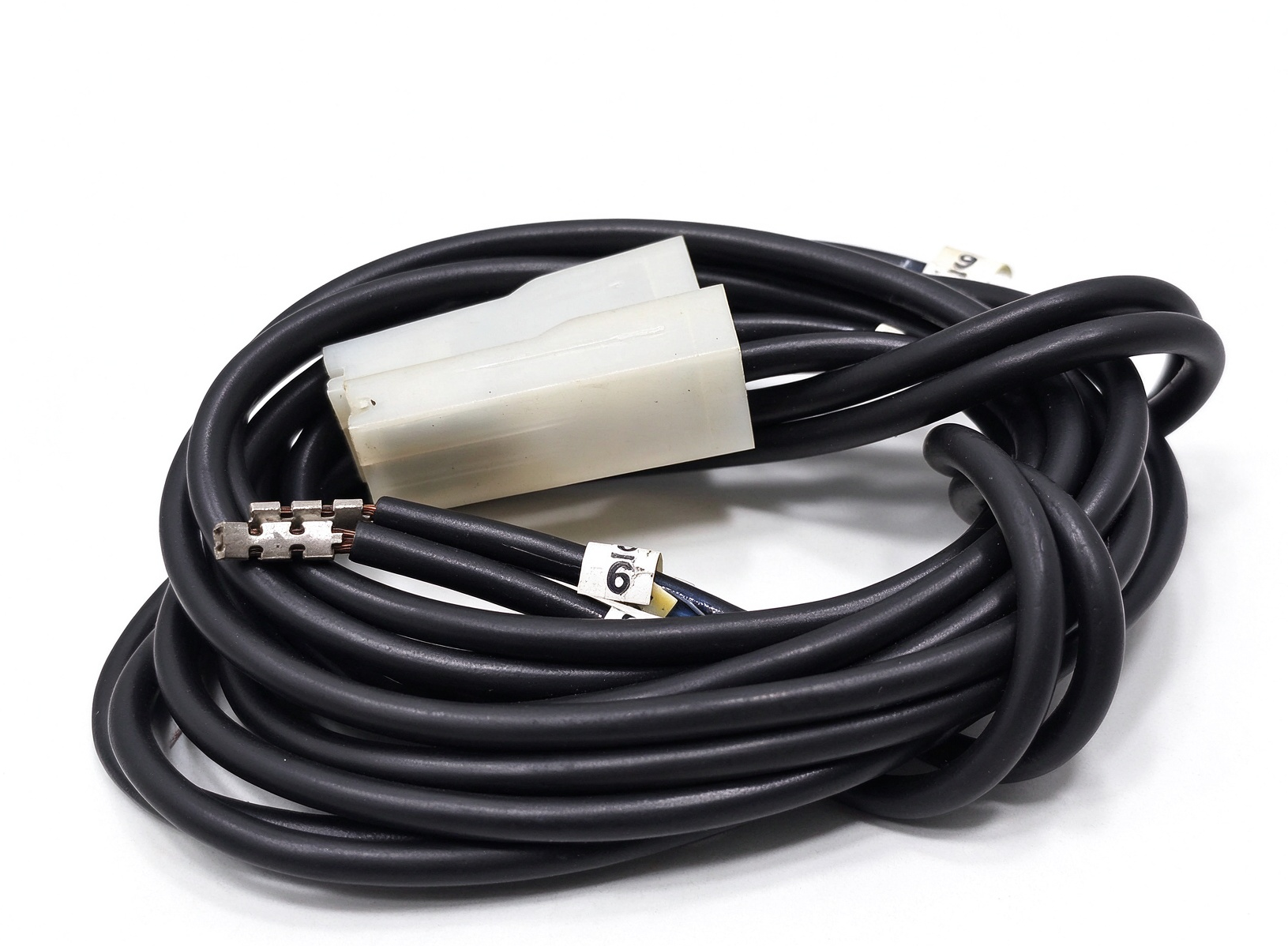
ABB UXAB269350R0909 SACE Shunt Opening Release
The ABB UXAB269350R0909 is identified as a shunt opening release associated with ABB SACE circuit breaker equipment. This accessory provides an electrical means of initiating circuit breaker opening through an external control signal. It is relevant to electrical installations that require remote tripping, coordinated shutdown, or integration between circuit protection equipment and a wider control system. Correct identification of the accessory and its compatible circuit breaker is essential for ensuring that the release operates within the intended electrical and mechanical arrangement.
Product Overview
A shunt opening release is an electrical accessory designed to initiate the opening operation of a compatible circuit breaker when its release mechanism receives an appropriate control signal. Unlike a conventional manual operating handle, this accessory allows an external electrical circuit to command the breaker to open. The control signal may originate from a switching device, an automation system, a protection arrangement, or another control circuit designed for the application.
The ABB UXAB269350R0909 designation identifies a specific accessory reference within the ABB SACE product context. When selecting this component, the complete part number should be checked against the circuit breaker documentation and the installed equipment configuration. Similar accessory references may have different electrical characteristics or mechanical interfaces, so visual similarity alone is not sufficient to establish interchangeability.
The function of a shunt opening release is distinct from the protective sensing function of a circuit breaker. The release provides a means of initiating opening, while the circuit breaker’s protection system is responsible for its specified response to conditions such as overloads or short circuits. The precise protection capabilities depend on the circuit breaker and its installed protection equipment.
Operating Principle of a Shunt Opening Release
A shunt opening release operates through an electrically energized release mechanism. When a compatible control signal is applied to its coil, the mechanism actuates the circuit breaker’s opening arrangement. The main contacts then separate according to the breaker design, interrupting the associated electrical circuit within the limits of the device’s rated capabilities.
This arrangement makes it possible to initiate circuit interruption from a location separate from the breaker itself. For example, an external emergency shutdown circuit or a supervisory control system may be designed to issue a trip command when a defined condition occurs. The exact control logic, signal source, and operating sequence are determined by the overall installation design.
The accessory must receive a control voltage that matches its specified electrical rating. Applying an unsuitable voltage or connecting the coil to an incompatible control circuit can prevent correct operation or damage the component. The available product information associates UXAB269350R0909 with a 100/127 V designation and 50/60 Hz frequency information; the precise AC or DC rating and connection requirements must be confirmed against the applicable ABB documentation before wiring.
A shunt opening release should not be assumed to provide automatic fault detection on its own. It is an actuator within a broader switching and protection arrangement. Any automatic trip sequence must be designed around the capabilities of the circuit breaker, the external control equipment, and the requirements of the installation.
Role in Low-Voltage Electrical Systems
Low-voltage electrical distribution systems use circuit breakers to switch loads and protect electrical installations within specified operating limits. In some applications, opening a breaker must be possible through a remote electrical command rather than solely through local manual operation. A shunt opening release provides an interface for this type of control.
In an industrial distribution panel, a compatible release may be incorporated into a shutdown arrangement that connects the breaker to a supervisory controller or another control device. In machinery installations, it may form part of a coordinated stop sequence intended to disconnect a defined power circuit when a specified command is received. The actual implementation depends on the circuit design and the breaker manufacturer’s instructions.
Remote tripping can also be relevant to building services, process equipment, and electrical distribution assemblies where the switching device must respond to an external signal. However, the suitability of the accessory for any particular application must be established through verified breaker compatibility, control voltage, operating requirements, and applicable electrical standards.
Where a trip command is part of a safety-related function, the complete system must be evaluated rather than relying on the presence of a shunt release alone. The required response, reliability, monitoring, and reset arrangements depend on the system design and relevant regulations.
Electrical Compatibility and Control Circuit Design
Electrical compatibility is one of the most important considerations when selecting the ABB UXAB269350R0909. The release coil must match the control circuit’s specified voltage and supply characteristics. Frequency, current requirements, control device ratings, and the arrangement of associated contacts should be reviewed using the applicable technical documentation.
Before wiring, engineers should identify the control power source and determine how the trip command will be generated. The circuit may use a push button, relay contact, programmable controller output, or another switching device, depending on the installation. The selected control equipment must be suitable for the electrical characteristics of the release and the switching duty involved.
Control wiring should be arranged to reduce the possibility of accidental energization, unintended tripping, or interference with other circuits. Terminal identification and wiring polarity, where applicable, must follow the manufacturer’s instructions. A circuit diagram should clearly distinguish the release control circuit from the main power circuit.
When the accessory is connected to an automation or protection system, the operating sequence should be reviewed to ensure that the trip command is generated under the intended conditions. Additional feedback or breaker-status monitoring may be required by the application, but such functions should not be assumed to be included in the release itself.
Installation and Mechanical Integration
The shunt opening release must be installed in a circuit breaker designed to accept the specific accessory. Compatibility should be confirmed using the breaker model, accessory reference, mounting arrangement, and applicable product documentation. The UXAB269350R0909 part number alone should not be used to infer compatibility with every ABB SACE breaker.
Installation should follow the manufacturer’s specified procedure, including the correct mounting position, retaining arrangements, terminal connections, and any required adjustments. An accessory that is incorrectly positioned or not properly secured may fail to actuate the breaker as intended.
Before installation or maintenance, the equipment must be isolated in accordance with the site’s electrical safety procedures. Qualified personnel should verify the absence of hazardous voltage and follow the required lockout and securing practices. Where multiple power sources or auxiliary supplies are present, all relevant sources must be considered.
After installation, the assembly should be checked according to the applicable commissioning instructions. Verification should confirm correct mechanical integration and appropriate response to the designated control command without exceeding the permitted operating conditions. Any required functional checks must be performed by authorized personnel using the prescribed procedures.
Maintenance and Troubleshooting
Maintenance of a shunt opening release should be considered as part of the broader circuit breaker maintenance program. Inspection requirements depend on the breaker model, service conditions, operating frequency, environmental exposure, and manufacturer’s recommendations.
If a breaker does not open when a trip command is issued, troubleshooting should begin with a systematic review of the control circuit. Relevant checks may include the availability of the specified control supply, the condition of associated wiring, the operation of the command device, terminal connections, and compatibility between the release and the installed breaker.
A missing or incorrect control voltage can prevent the release from actuating. Other possible causes include an incorrectly installed accessory, a damaged coil, a defective control contact, or a mechanical issue within the circuit breaker. The symptoms should be assessed in accordance with the manufacturer’s troubleshooting instructions rather than attributed to one cause without verification.
Maintenance records should document the equipment identification, observed symptoms, corrective actions, and any parts replaced. If the release or breaker shows signs of physical damage, abnormal operation, or overheating, the equipment should be evaluated by qualified personnel before being returned to service.
Replacement Selection and Verification
When replacing an existing release, confirm the complete reference UXAB269350R0909 and identify the exact circuit breaker in which it is installed. The original equipment documentation, accessory list, and circuit diagram should be reviewed to establish the correct replacement specification.
Electrical ratings and mechanical fit must both be considered. A release with a similar appearance or a related part number may not have the same coil voltage, connection arrangement, mounting interface, or intended breaker compatibility. Substitution should only be made after the proposed component has been confirmed as suitable for the application.
It is also important to verify the intended control logic after replacement. The control circuit must issue the appropriate signal, and the breaker must respond according to the system’s operating requirements. If the accessory forms part of a remote shutdown or coordinated protection scheme, the complete arrangement should be assessed according to the applicable engineering and safety procedures.
Conclusion
The ABB UXAB269350R0909 SACE shunt opening release is an electrical circuit breaker accessory designed to initiate opening in response to an appropriate external control signal. Its role is to support remote switching and coordinated control within a compatible electrical installation.
Correct application depends on verifying the accessory reference, breaker compatibility, coil rating, wiring arrangement, and installation requirements. Reviewing the relevant ABB technical documentation before selection or maintenance helps ensure that the component is integrated into the intended circuit breaker assembly and control system. Proper installation, systematic troubleshooting, and suitable maintenance practices support the correct operation of the overall electrical switching arrangement.
评价
目前还没有评价