
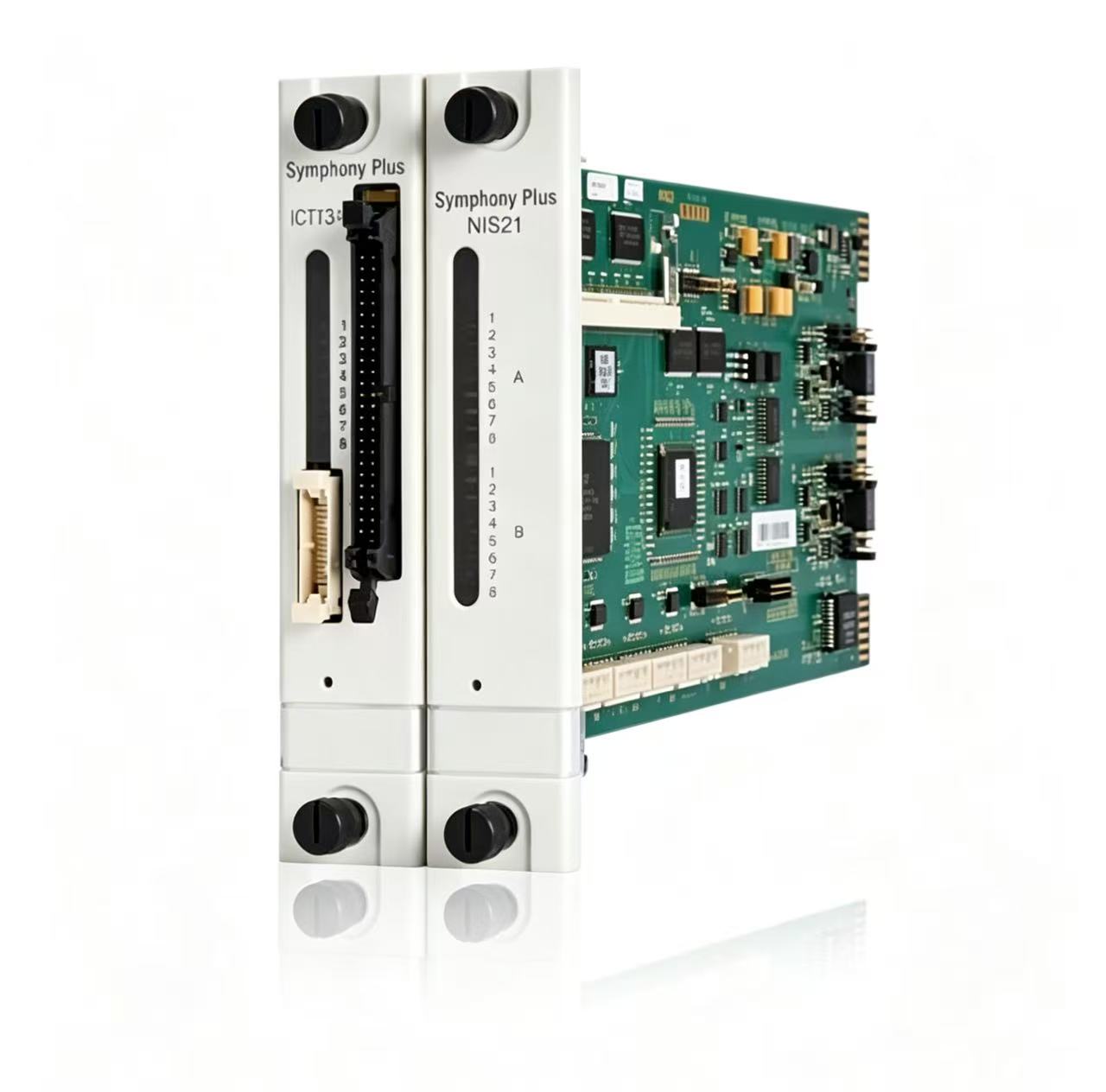
ABB SPNIS21 Network Interface Slave Module
The ABB SPNIS21 is a network interface slave module designed for use within ABB Symphony Plus distributed control system environments. This module plays a critical role in enabling stable communication and efficient data exchange between industrial automation devices and control networks. As industrial facilities increasingly depend on integrated automation systems, reliable communication modules such as the SPNIS21 become essential for maintaining operational continuity and process efficiency.
ABB developed the SPNIS21 to support industrial applications that require dependable communication performance, flexible system integration, and long-term operational stability. The module is widely used in industries including power generation, oil and gas, water treatment, chemical processing, manufacturing, and large-scale process automation systems. Its architecture is optimized to meet the demands of modern distributed control environments where fast and reliable information transfer is critical.
Within Symphony Plus automation systems, the ABB SPNIS21 serves as an important communication interface that supports coordination between controllers, operator stations, engineering systems, and process devices. Its robust design helps improve system reliability while supporting continuous industrial operation under demanding environmental conditions.
Main Features of ABB SPNIS21
- Designed for ABB Symphony Plus distributed control systems
- Supports reliable network communication functions
- Provides stable data exchange between automation devices
- Optimized for industrial process control environments
- Supports efficient integration within ABB automation architectures
- Industrial-grade construction for long-term operation
- Suitable for mission-critical automation applications
- Supports high system availability and communication stability
- Compatible with distributed control system infrastructure
- Improves process coordination and operational efficiency
Industrial Communication and Process Integration
Modern industrial facilities depend on reliable communication between automation devices, control processors, operator interfaces, and supervisory systems. The ABB SPNIS21 has been developed to support these communication requirements by delivering dependable data transmission and network interface functionality within distributed automation environments.
In industrial control systems, communication reliability directly affects operational efficiency and production stability. The SPNIS21 contributes to improved system coordination by supporting continuous information exchange between various process components. This capability is particularly valuable in facilities where automation interruptions can result in operational downtime, production losses, or process instability.
The module is engineered to function effectively within large-scale process automation systems where multiple control layers must operate together seamlessly. By enabling efficient communication between system devices, the ABB SPNIS21 helps facilities maintain accurate monitoring, process synchronization, and reliable automation performance.
Applications of ABB SPNIS21
The ABB SPNIS21 network interface slave module is suitable for a broad range of industrial sectors and automation environments. Its communication capabilities and system integration flexibility make it an important component in distributed control infrastructures.
- Power generation and energy facilities
- Industrial process automation systems
- Oil and gas production operations
- Water and wastewater treatment plants
- Chemical and petrochemical processing
- Pulp and paper manufacturing facilities
- Factory automation systems
- Industrial monitoring and supervisory control networks
- Distributed control system communication environments
- Integrated ABB Symphony Plus installations
In power plants, the SPNIS21 supports communication between control units and monitoring systems to maintain operational stability. In manufacturing facilities, the module contributes to production coordination and efficient process supervision. Water treatment systems benefit from stable automation communication that supports accurate process management and operational control.
Advantages within Symphony Plus Systems
ABB Symphony Plus is recognized for its advanced process automation architecture that integrates process control, electrical systems, information management, and plant optimization into a unified platform. The SPNIS21 is specifically designed to operate within this environment and contribute to reliable network communication performance.
One of the key advantages of the ABB SPNIS21 is its ability to support seamless integration across distributed automation systems. Industrial facilities often require communication between multiple control devices located throughout large operational areas. The SPNIS21 helps maintain efficient data flow and communication consistency across these complex infrastructures.
The module also supports modernization and system expansion projects by allowing industrial operators to integrate additional automation components without compromising communication reliability. This flexibility helps organizations improve operational scalability while maintaining stable process control performance.
Operational Benefits
| Feature | Benefit |
|---|---|
| Reliable network communication | Supports stable automation system performance |
| Efficient data exchange | Improves process monitoring and coordination |
| Industrial-grade design | Ensures dependable long-term operation |
| Symphony Plus compatibility | Enables seamless ABB system integration |
| Flexible automation support | Suitable for complex industrial infrastructures |
| Stable process connectivity | Reduces communication-related operational risks |
Why Industrial Facilities Choose ABB SPNIS21
Industrial operators require communication modules that can maintain stable performance under demanding operational conditions. The ABB SPNIS21 is designed to meet these requirements by combining communication reliability, integration flexibility, and industrial durability. Its compatibility with Symphony Plus systems makes it a practical solution for facilities already operating within ABB automation environments.
ABB has extensive experience in industrial automation and distributed control technologies, and the SPNIS21 reflects the company’s commitment to reliable engineering and process efficiency. Facilities implementing this module benefit from improved system coordination, enhanced process visibility, and dependable automation communication performance.
The module is especially valuable for applications where operational continuity is essential. By supporting consistent communication between automation devices, the SPNIS21 helps reduce system interruptions and supports efficient plant operation across multiple industries.
Conclusion
The ABB SPNIS21 Network Interface Slave Module is a dependable communication solution designed for industrial automation and distributed control applications. Its role within ABB Symphony Plus systems allows facilities to maintain stable communication, efficient process integration, and reliable operational performance.
With strong industrial compatibility, flexible system integration capabilities, and reliable network support, the ABB SPNIS21 remains an important component for organizations seeking efficient and scalable automation infrastructure. Its performance and durability make it suitable for modern industrial environments that demand continuous communication reliability and process control efficiency.
评价
目前还没有评价