
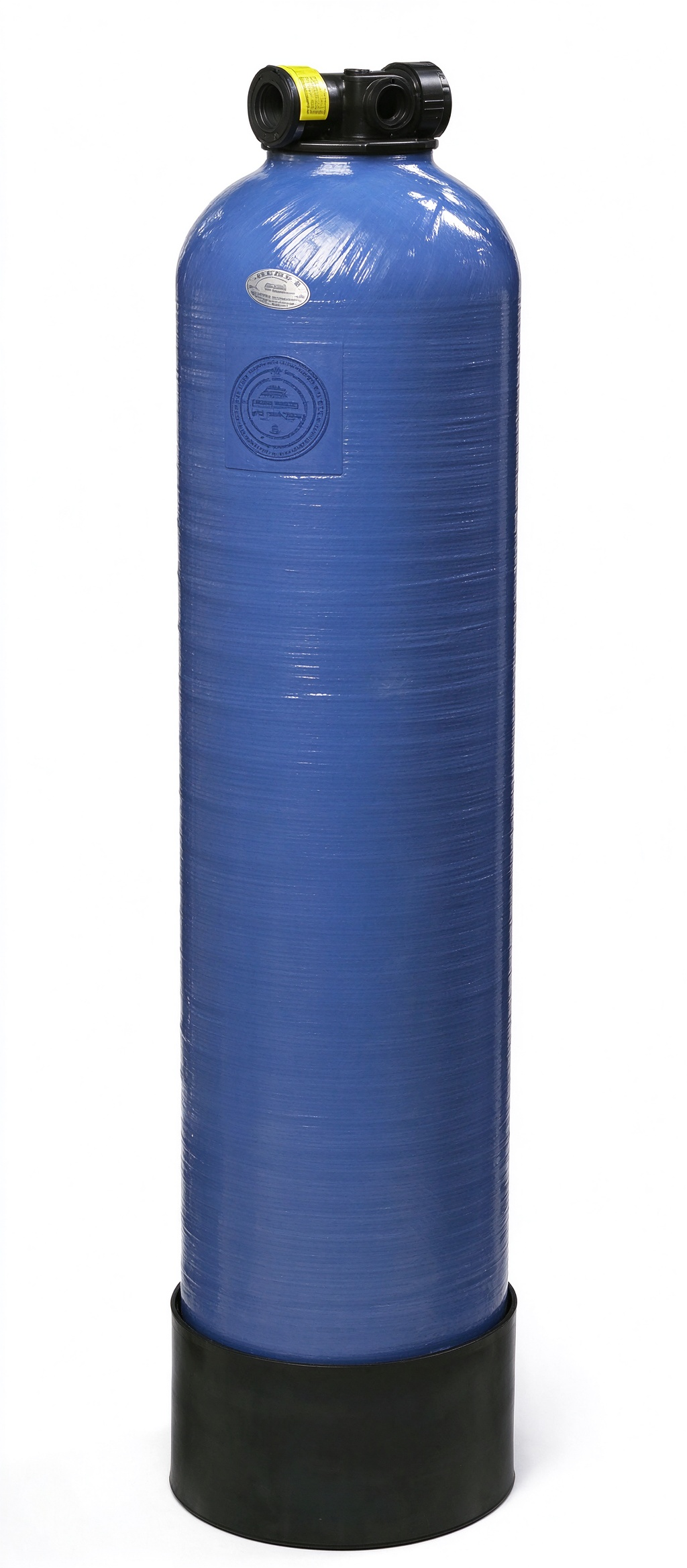
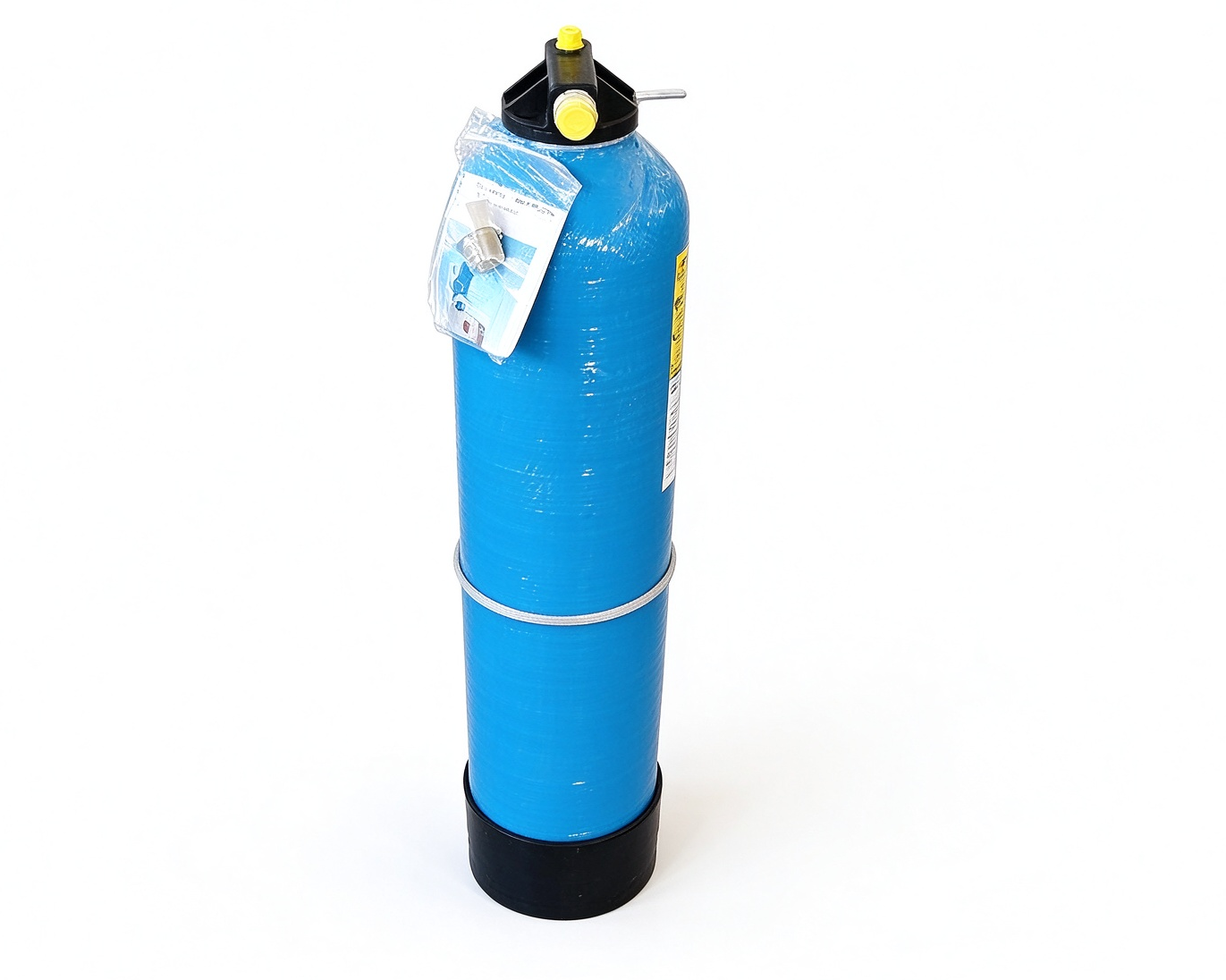
ABB Q-0730-A 3BHL001433P0001 Industrial Deionizer
The ABB Q-0730-A 3BHL001433P0001 is an industrial deionizer associated with ABB ACS1000 drive systems. This component is used in water treatment arrangements where dissolved ionic impurities must be reduced to support the required water quality. Maintaining appropriate water chemistry is important in industrial installations that use liquid cooling or other specialized water circuits, as excessive ionic content can influence electrical conductivity, corrosion behavior, and the formation of deposits. Correct product identification and compatibility verification are essential when selecting this deionizer for an existing installation.
Product Overview
The ABB Q-0730-A is identified by product number 3BHL001433P0001. Its catalog description identifies it as a deionizer, and its application information associates it with the ACS1000 drive platform. The component belongs to the broader field of industrial water treatment equipment, where water quality is managed to meet the requirements of a particular process or equipment cooling arrangement.
Deionization is a treatment process that removes dissolved charged species, commonly referred to as ions, from water. These substances may include positively charged ions, such as calcium and sodium, and negatively charged ions, such as chloride and sulfate. Their concentrations depend on the source water, the treatment process, and the condition of the water circuit. The required treatment level is determined by the specifications of the connected equipment and the system operating conditions.
In an industrial drive installation, the deionizer should be considered part of the overall water management arrangement rather than an independent electrical control device. Its selection and operation must be consistent with the hydraulic configuration, water quality requirements, and maintenance procedures specified for the associated equipment.
Deionization and Ion Exchange Principles
Ion exchange is a widely used method for reducing the concentration of dissolved ionic substances in water. In a typical deionization process, ion exchange materials interact with dissolved cations and anions, removing them from the circulating water. The exact internal arrangement and treatment characteristics depend on the specific equipment design.
Mixed-bed ion exchange systems combine cation exchange and anion exchange materials within a treatment vessel. The cation exchange component captures positively charged ions, while the anion exchange component captures negatively charged ions. When appropriately designed and maintained, this process can reduce ionic contamination and lower the electrical conductivity of the treated water.
Water conductivity is commonly used as an indicator of the concentration of dissolved ionic substances. However, conductivity alone does not identify every contaminant or provide a complete assessment of water quality. The appropriate monitoring method depends on the requirements of the installation and the manufacturer’s technical instructions.
For the ABB Q-0730-A, the applicable product documentation should be consulted to confirm the treatment medium, internal configuration, operating limits, and any specified water quality targets. Generic descriptions of ion exchange technology should not be treated as confirmation of unverified performance values for a particular model.
Application in ABB ACS1000 Drive Systems
The ABB ACS1000 is an industrial medium-voltage drive platform used in applications that require controlled operation of large electric motors. Depending on the system configuration, cooling and water quality management can be important elements of the complete installation. The Q-0730-A deionizer is associated with this drive platform and should be evaluated according to the water circuit requirements of the relevant equipment.
In a compatible water circuit, reducing dissolved ionic content can help manage conductivity and support the intended operating conditions of the cooling arrangement. Water chemistry is an important consideration because the combination of dissolved substances, temperature, materials, and operating conditions can influence corrosion and deposit formation.
The deionizer does not replace the other functions of the cooling system. Pumps, heat exchangers, piping, monitoring devices, and other components perform separate roles in maintaining circulation and transferring heat. The water treatment component must operate within the design limits of the complete installation.
Before incorporating the Q-0730-A into a drive system, engineers should confirm the relevant ACS1000 configuration, the intended installation position, the required water connections, and the applicable maintenance procedure. Compatibility should be established using the complete ABB product reference and the equipment documentation.
Water Quality and System Protection
Water quality management is important in industrial systems because dissolved substances can influence electrical conductivity, material compatibility, and the behavior of a cooling circuit over time. In applications with specific water quality requirements, uncontrolled ionic contamination may contribute to conditions that affect system reliability.
A deionizer helps address dissolved ionic contamination through its designated treatment process. Its effectiveness depends on factors such as incoming water composition, flow conditions, the characteristics of the ion exchange medium, and the condition of the treatment unit. These factors should be evaluated in accordance with the requirements of the installed system.
Water quality should be assessed using appropriate measurement methods rather than visual appearance alone. Clear water may still contain dissolved ions, while a conductivity measurement provides only one indicator of the water’s chemical condition. The system’s specified monitoring points and acceptance criteria should be followed when evaluating treatment performance.
Where the deionizer is used in a closed industrial water circuit, maintenance personnel should also consider possible contamination sources, material interactions, leakage, and changes in system operating conditions. Any abnormal change in water quality should be investigated using the procedures specified for the installation.
Installation and System Integration
Correct installation of the ABB Q-0730-A begins with verification of the complete product identification and its intended application. The part number 3BHL001433P0001 should be compared with the relevant spare parts documentation for the associated ACS1000 installation. Similar-looking water treatment components should not be assumed interchangeable without confirmation of their connections, treatment characteristics, and operating requirements.
Before installation, engineers should review the specified inlet and outlet connections, mounting arrangement, available service clearance, and the requirements for connecting the unit to the water circuit. The installation location should provide suitable access for inspection and maintenance while meeting the environmental and mechanical requirements of the equipment.
Water connections must be assembled according to the applicable instructions to reduce the risk of leakage or unwanted mechanical stress on connected piping. The circuit should be prepared in accordance with the system’s isolation and depressurization procedures before work begins. Any required flushing, filling, or air removal should follow the approved commissioning method.
After installation, the unit and connected water circuit should be checked using the relevant operating procedures. Inspection may include verifying connections, confirming that circulation conditions are appropriate, and checking the specified water quality indicators. The exact commissioning sequence must be obtained from the documentation for the actual installation.
Maintenance and Performance Monitoring
Maintenance requirements for an industrial deionizer depend on the treatment technology, water quality, operating duty, and system design. A planned maintenance program should follow the applicable ABB instructions and any additional requirements established for the connected cooling circuit.
Routine monitoring may include reviewing water quality measurements, checking for visible leakage, inspecting external connections, and recording changes in system operating conditions. Where the installation specifies conductivity monitoring, the readings should be compared with the applicable limits and historical operating data.
Ion exchange materials have a finite treatment capacity. Their condition and service requirements depend on the incoming ionic load and the specific treatment arrangement. Maintenance personnel should not assume that a particular replacement interval or regeneration procedure applies to every deionizer. The correct procedure must be verified against the unit’s technical documentation.
Changes in conductivity, unexpected pressure behavior, leakage, or reduced treatment effectiveness may indicate that further investigation is required. These observations should be assessed in the context of the complete water circuit, since the cause may involve the water source, connected piping, monitoring equipment, or other treatment components.
Recording maintenance activities, water quality results, and observed operating conditions helps establish a useful equipment history. Such records support troubleshooting, maintenance planning, and decisions about inspection or replacement.
Replacement Selection and Technical Verification
When selecting the ABB Q-0730-A 3BHL001433P0001 for a maintenance or replacement project, the full part number should be checked against the original equipment records. The associated drive configuration and the function of the existing water treatment component should be established before a replacement is selected.
Important verification points include the physical connections, installation dimensions, treatment requirements, allowable operating conditions, and maintenance procedure. Where the water circuit has been modified, the current installation should be compared with the original design to identify any additional compatibility requirements.
Engineers should also verify whether the proposed unit meets the water quality requirements of the specific drive system. Flow, pressure, temperature, and treatment performance must be confirmed from applicable technical documentation rather than estimated from the model designation alone.
Replacement work should be performed by personnel familiar with the connected equipment and its safety requirements. Following the correct isolation, installation, and commissioning procedures helps maintain the integrity of the water circuit and supports appropriate operation of the complete drive system.
Conclusion
The ABB Q-0730-A 3BHL001433P0001 is an industrial deionizer associated with ABB ACS1000 drive systems. Its purpose is to reduce dissolved ionic contamination in a compatible water treatment circuit through deionization, helping the installation maintain its specified water quality conditions.
Correct application depends on product identification, compatibility with the intended water circuit, compliance with operating requirements, and appropriate maintenance. By reviewing the applicable technical documentation and monitoring the condition of the treatment system, engineers and maintenance personnel can make informed decisions about installation, inspection, and replacement of the deionizer.

评价
目前还没有评价