
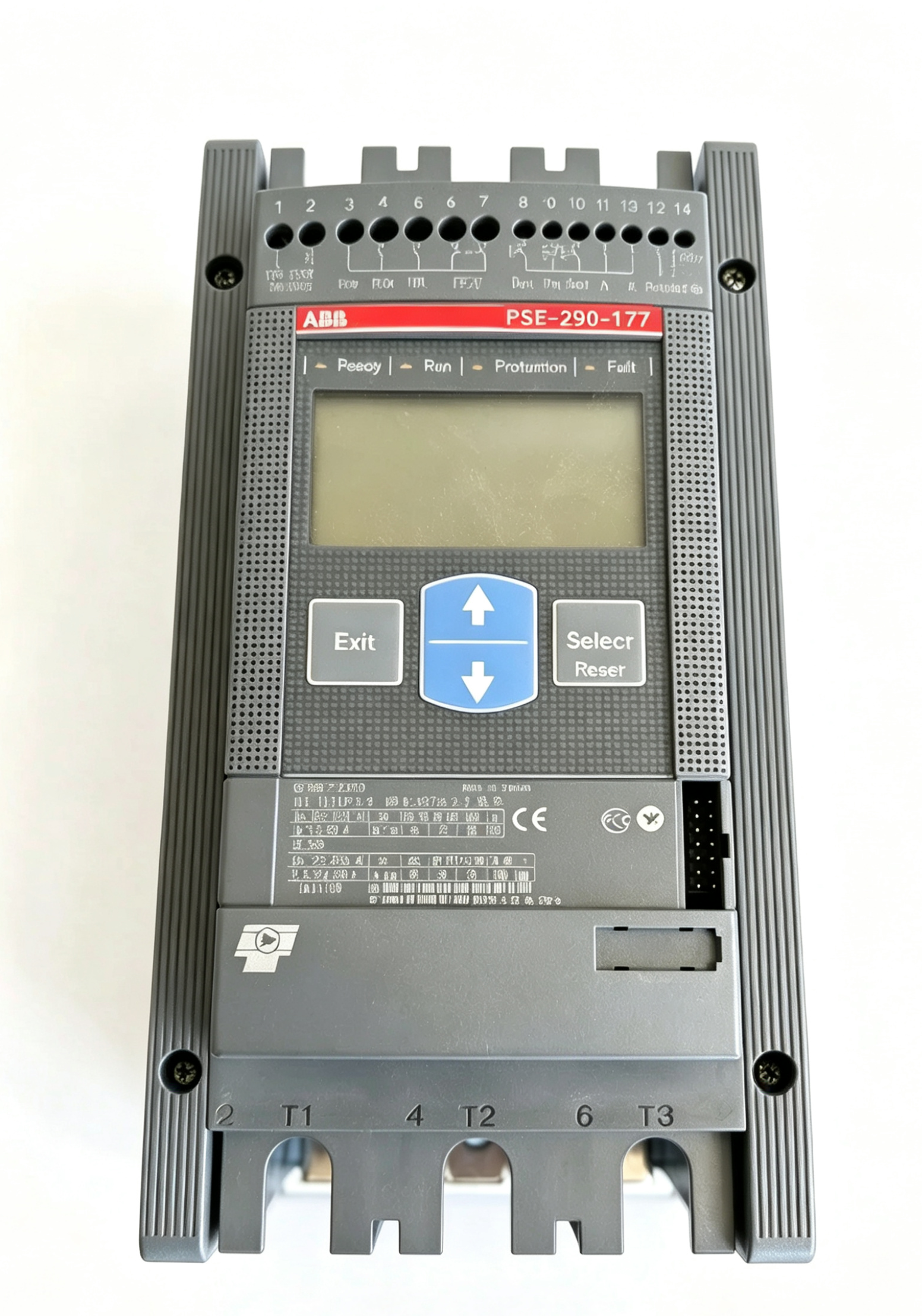
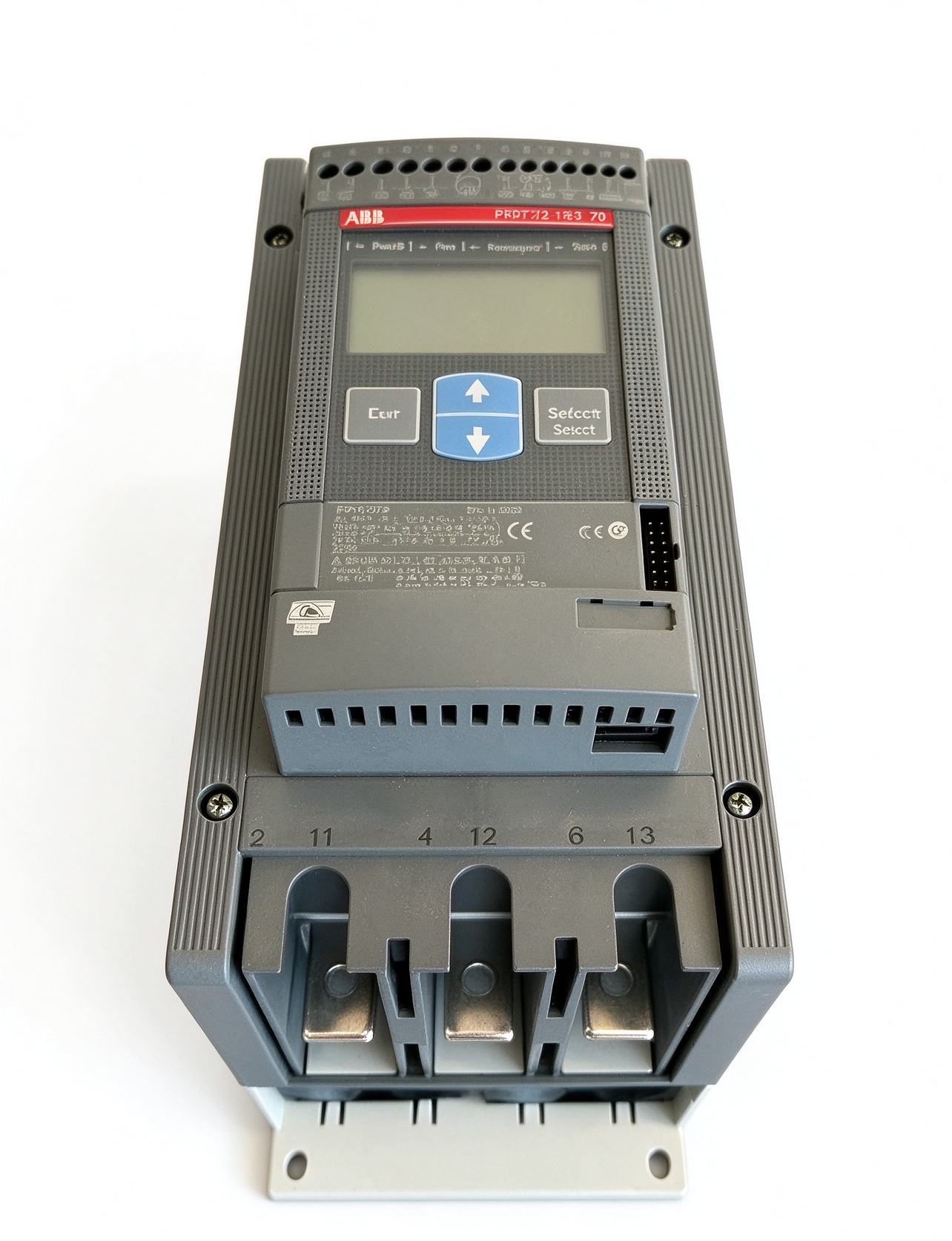
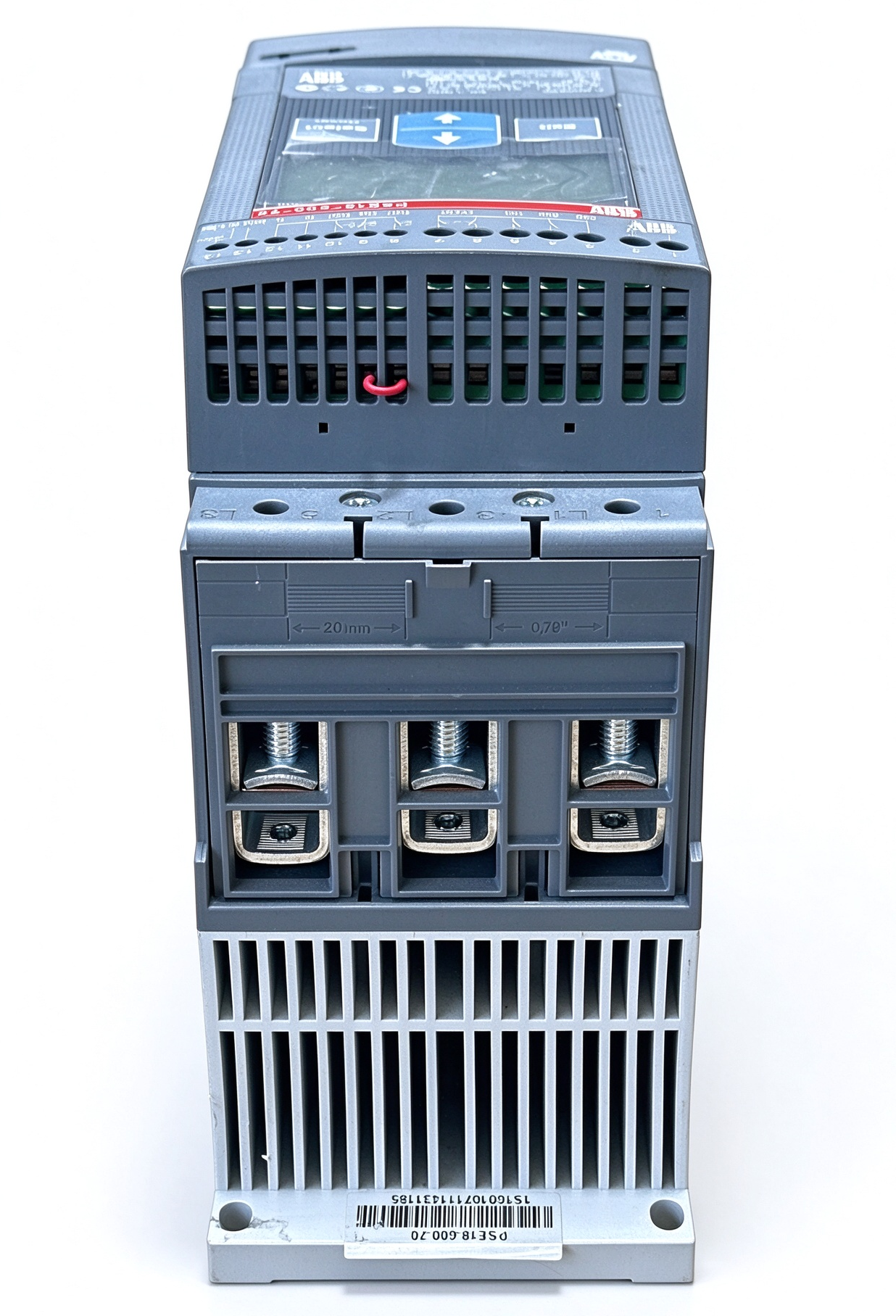
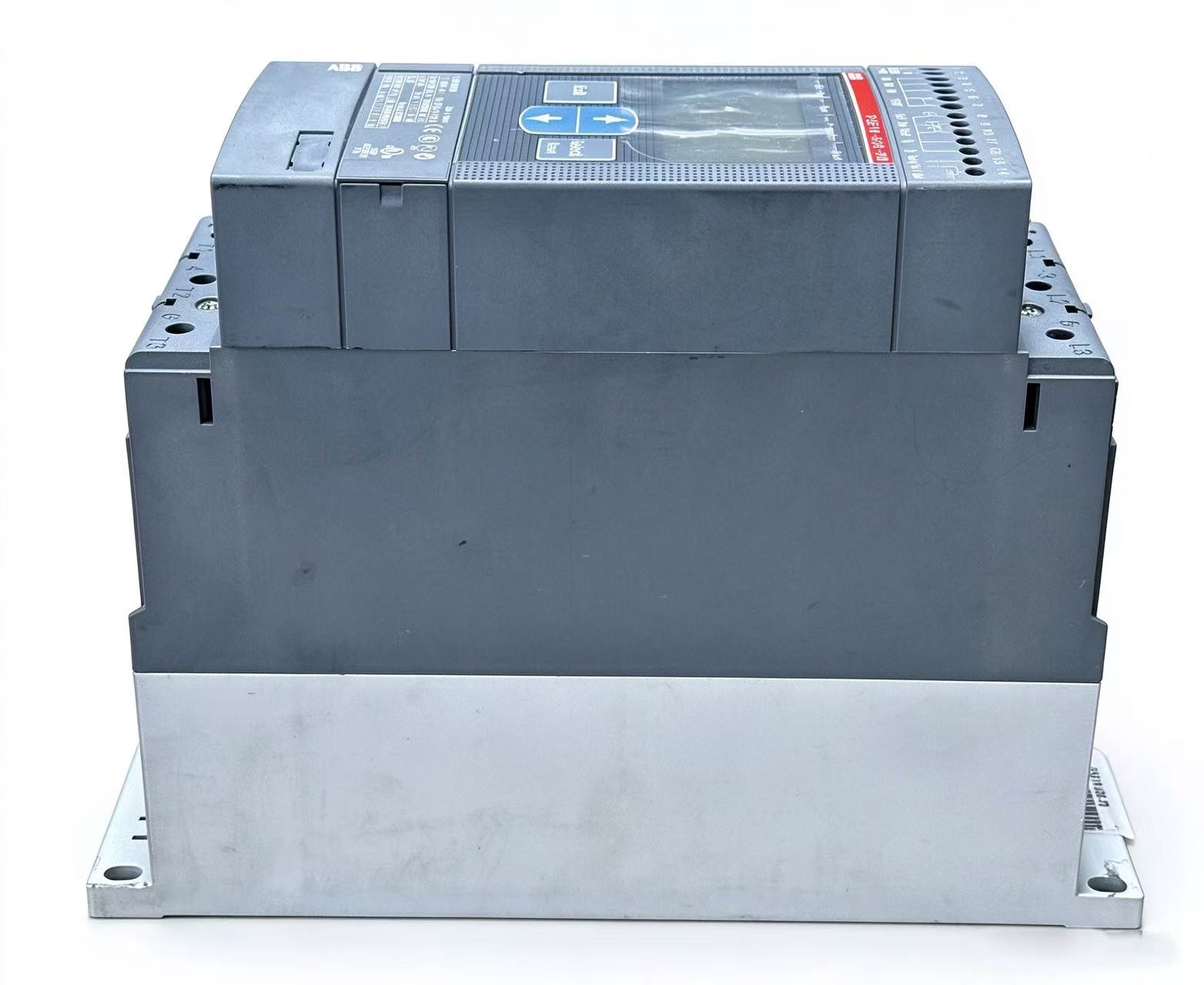
ABB PSE-290-177 High Voltage HRC Fuse 3.6 kV 31.5 A
Product Overview
The ABB PSE-290-177 is identified as a high-voltage HRC fuse with a rated voltage of 3.6 kV and a rated current of 31.5 A. HRC stands for high rupturing capacity, a characteristic associated with fuses designed to interrupt specified fault currents within their rated operating limits. High-voltage fuse links are used in electrical protection arrangements where abnormal current conditions must be interrupted to help limit damage to connected equipment.
Fuses are important components in electrical distribution and switchgear systems. Their protective function depends on the relationship between the fuse’s electrical ratings, the prospective fault current, the characteristics of the protected equipment, and the overall system design. The PSE-290-177 designation should be checked against the installed component and the applicable technical documentation before it is selected for a replacement or a new installation.
The product identification supplied for this model specifies 3.6 kV and 31.5 A. Other details, including physical dimensions, mounting arrangement, minimum breaking current, maximum breaking capacity, and time-current characteristics, should be confirmed from the relevant manufacturer documentation. These parameters are important because high-voltage fuse links with similar current ratings are not necessarily interchangeable.
Key Product Information
- Manufacturer identification: ABB
- Part number: PSE-290-177
- Product category: High-voltage HRC fuse
- Rated voltage: 3.6 kV, as identified in the supplied product description
- Rated current: 31.5 A
- Primary function: Electrical circuit protection against specified overcurrent and short-circuit conditions
- Application area: Compatible high-voltage electrical installations and switchgear
This information provides a starting point for product identification. It does not replace a complete technical specification. Before installation, the exact fuse construction, system voltage suitability, rated breaking capacity, dimensions, and associated equipment requirements must be verified.
How a High-Voltage HRC Fuse Works
A fuse contains a conductive element designed to respond to excessive current. Under normal operating conditions, the element carries current within its specified limits. When an overcurrent or short circuit occurs, the element heats and melts according to its designed characteristics. The resulting arc must then be controlled and extinguished so that the circuit is interrupted safely within the fuse’s rated capability.
High-voltage fuse designs use construction features and internal materials appropriate to their intended voltage and interruption requirements. The exact internal design varies by product family. Therefore, the operating characteristics of the PSE-290-177 should not be inferred solely from its HRC classification or rated current.
During a fault, interruption performance depends on the magnitude of the current, the system voltage, the circuit’s power factor or other relevant electrical conditions, and the fuse’s specified breaking limits. A fuse must be selected so that the prospective fault current at the installation point remains within its rated interruption capability. Correct coordination helps ensure that the protective device responds appropriately to the intended fault conditions.
Rated Voltage and Current Considerations
The stated rated voltage of 3.6 kV is a key parameter when assessing whether the fuse is appropriate for a particular electrical system. The nominal system voltage alone is not sufficient to establish suitability. The fuse’s declared voltage rating and the manufacturer’s instructions must be checked against the actual network conditions and the requirements of the equipment in which it is installed.
The stated rated current of 31.5 A represents another essential selection parameter. It should not be treated as a universal operating-current target for every application. The suitable fuse rating depends on the protected equipment, expected load current, starting or inrush behavior, ambient conditions, installation method, and coordination with other protective devices.
Where the fuse protects a transformer, motor circuit, or other specialized load, the selection process must account for the equipment’s normal operating characteristics and possible transient currents. The required current rating should be established from the system design and the applicable manufacturer guidance rather than from the fuse rating in isolation.
Applications in Electrical Protection Systems
High-voltage HRC fuses are used in electrical installations where a suitably rated fuse link forms part of the protection arrangement. Depending on the specific fuse design and the equipment manufacturer’s instructions, potential applications across the product category can include switchgear assemblies, transformer protection circuits, and other compatible medium-voltage equipment.
The application of the PSE-290-177 must be established from its verified product documentation. A generic description of high-voltage HRC fuses does not confirm that a particular model is suitable for every transformer, motor, or switchgear installation. Voltage class, fuse dimensions, contact configuration, striker arrangement, and electrical performance all influence compatibility.
In a switchgear assembly, the fuse operates as one part of a broader protection system. Other components may include switching devices, isolators, earthing arrangements, relays, and monitoring equipment. The complete design must account for how the fuse interacts with these components under both normal operating conditions and fault conditions.
Selection and Compatibility Checks
When identifying the PSE-290-177 for procurement or replacement, begin by checking the full part number and the markings on the installed fuse. Confirm the stated voltage and current ratings, and compare them with the circuit documentation. If the original fuse is unavailable for inspection, use the equipment’s bill of materials, approved spare-parts list, or the relevant manufacturer records to establish the required specification.
Physical compatibility is particularly important for high-voltage fuse links. Overall length, diameter, end-contact design, mounting interfaces, and any striker or indicator features may affect installation. A fuse that has the same rated current but different dimensions or contacts may not fit the fuse holder or meet the switchgear manufacturer’s requirements.
Electrical compatibility must also be verified. Important parameters include the rated voltage, rated current, minimum breaking current where applicable, rated maximum breaking capacity, time-current characteristics, and coordination with upstream and downstream protection. The exact parameters required depend on the fuse type and its application.
Do not substitute a fuse solely because another model has the same nominal current rating. The replacement must meet the complete electrical and mechanical requirements of the installed system.
Installation and Maintenance Considerations
High-voltage fuses must be handled and installed by qualified personnel using the procedures specified for the relevant equipment. Before work begins, the circuit must be isolated, secured against unintended re-energization, and verified safe in accordance with applicable electrical safety procedures. The fuse holder, contact surfaces, and surrounding equipment should be inspected for damage or signs of overheating.
Installation should follow the manufacturer’s specified orientation, mounting method, clearances, and contact requirements. The fuse must be compatible with the associated switchgear and installed using the approved procedure. Unverified modifications to the fuse holder or its mounting arrangement should not be used to force a component to fit.
If a fuse operates, the cause of the fault should be investigated before the circuit is returned to service. Possible causes include a short circuit, equipment failure, abnormal load conditions, or a problem elsewhere in the electrical system. Replacing a fuse without investigating the underlying cause may result in repeated operation and additional equipment damage.
Use the specified replacement type and rating. Never bypass a fuse or install a fuse with an unsuitable rating to keep equipment operating. Inspection intervals and replacement procedures should be established in accordance with the switchgear manufacturer’s instructions and the maintenance requirements of the installation.
Product Identification and Technical Documentation
The designation PSE-290-177 and the stated ratings of 3.6 kV and 31.5 A are useful identifiers, but a complete technical record is needed for reliable selection. Check whether the manufacturer’s documentation identifies an exact product family, applicable standards, rated breaking characteristics, dimensional drawing, and approved application range.
For procurement, record the full model number and all visible nameplate information. If the product is being used in existing switchgear, also record the equipment manufacturer and model, fuse-holder details, and the installed fuse’s physical dimensions. These details can help establish whether the specified component is correct for the application.
When technical data cannot be verified, the appropriate next step is to request confirmation from the manufacturer or a qualified technical supplier. This is particularly important for high-voltage protection equipment, where incorrect selection can compromise fault interruption and system safety.
Conclusion
The ABB PSE-290-177 is identified as a high-voltage HRC fuse rated at 3.6 kV and 31.5 A. Its intended role is associated with high-voltage electrical protection, where a correctly selected fuse can interrupt specified overcurrent and short-circuit conditions. Before using this model, confirm its complete technical specification, mechanical dimensions, breaking capability, and compatibility with the relevant switchgear or protected equipment. Matching the verified product data to the system requirements is essential for safe installation and dependable circuit protection.


评价
目前还没有评价