
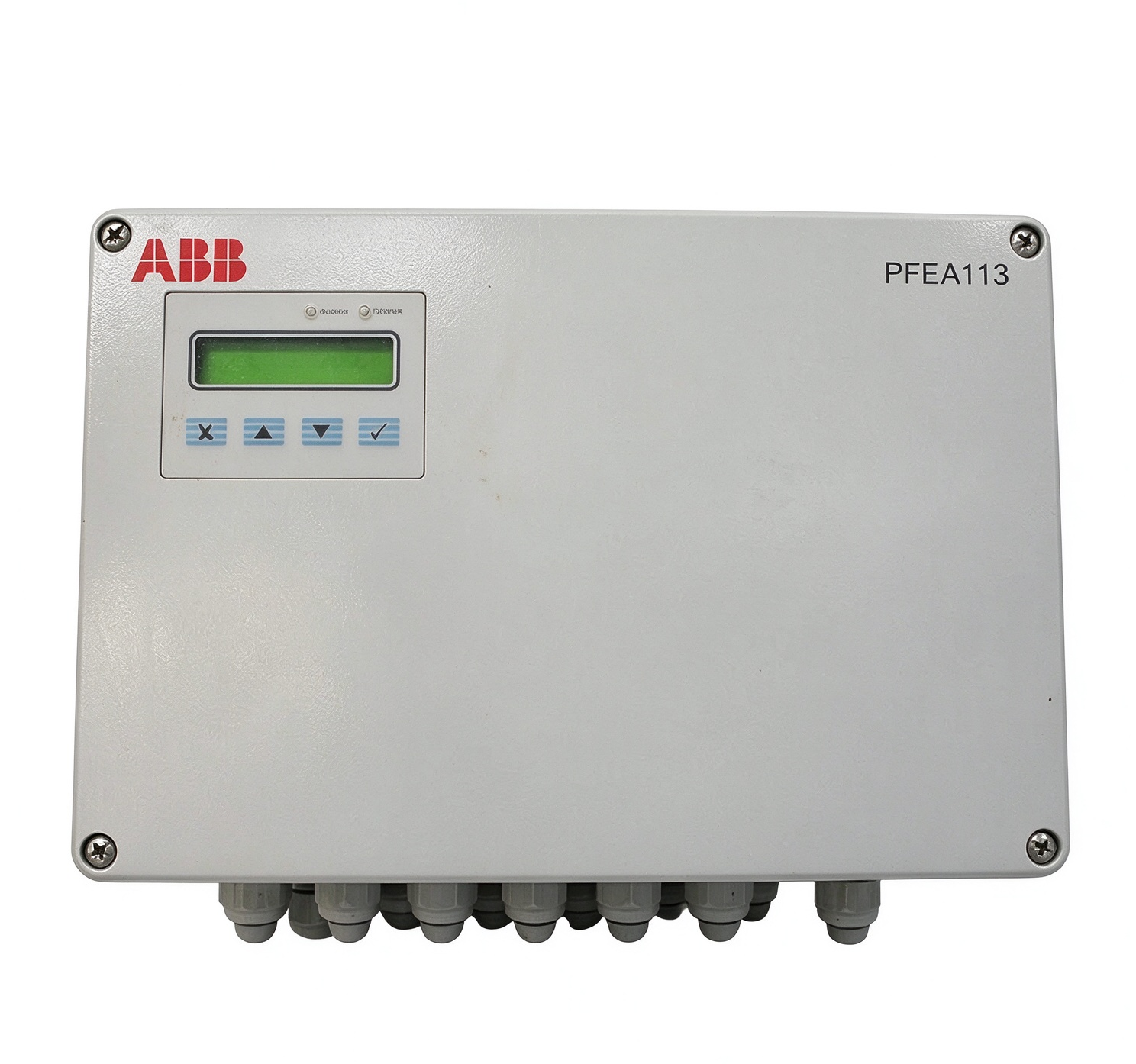
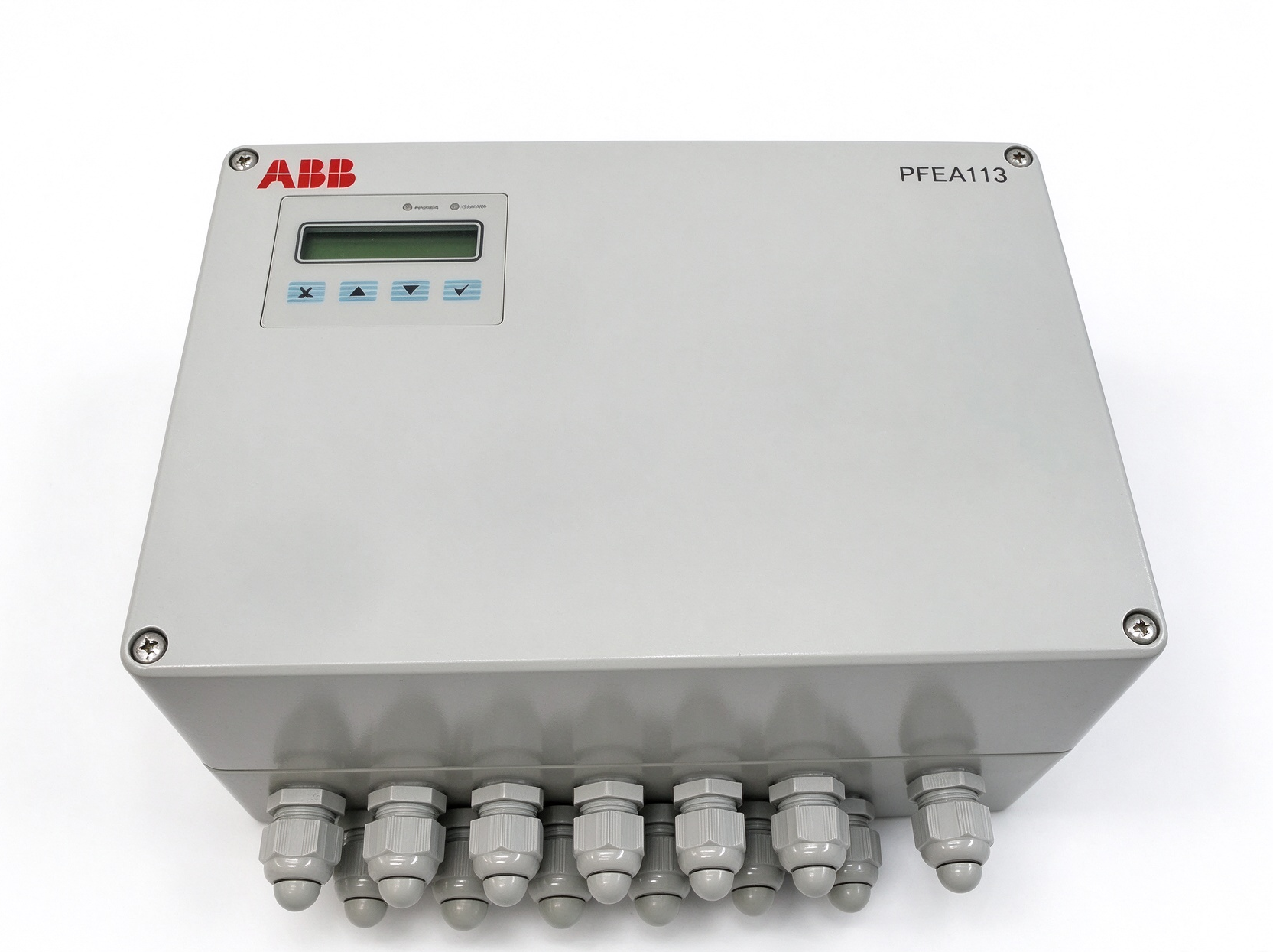
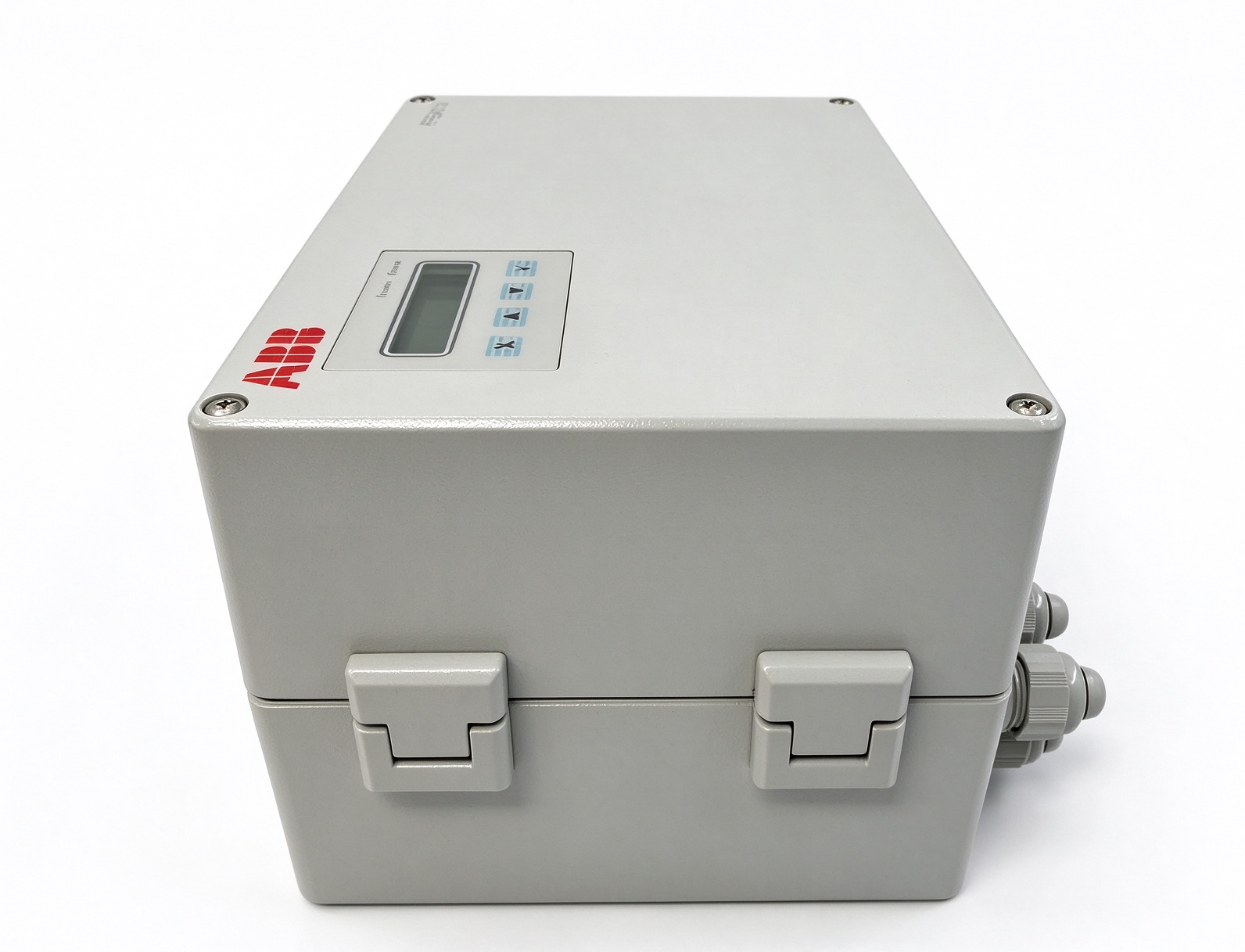
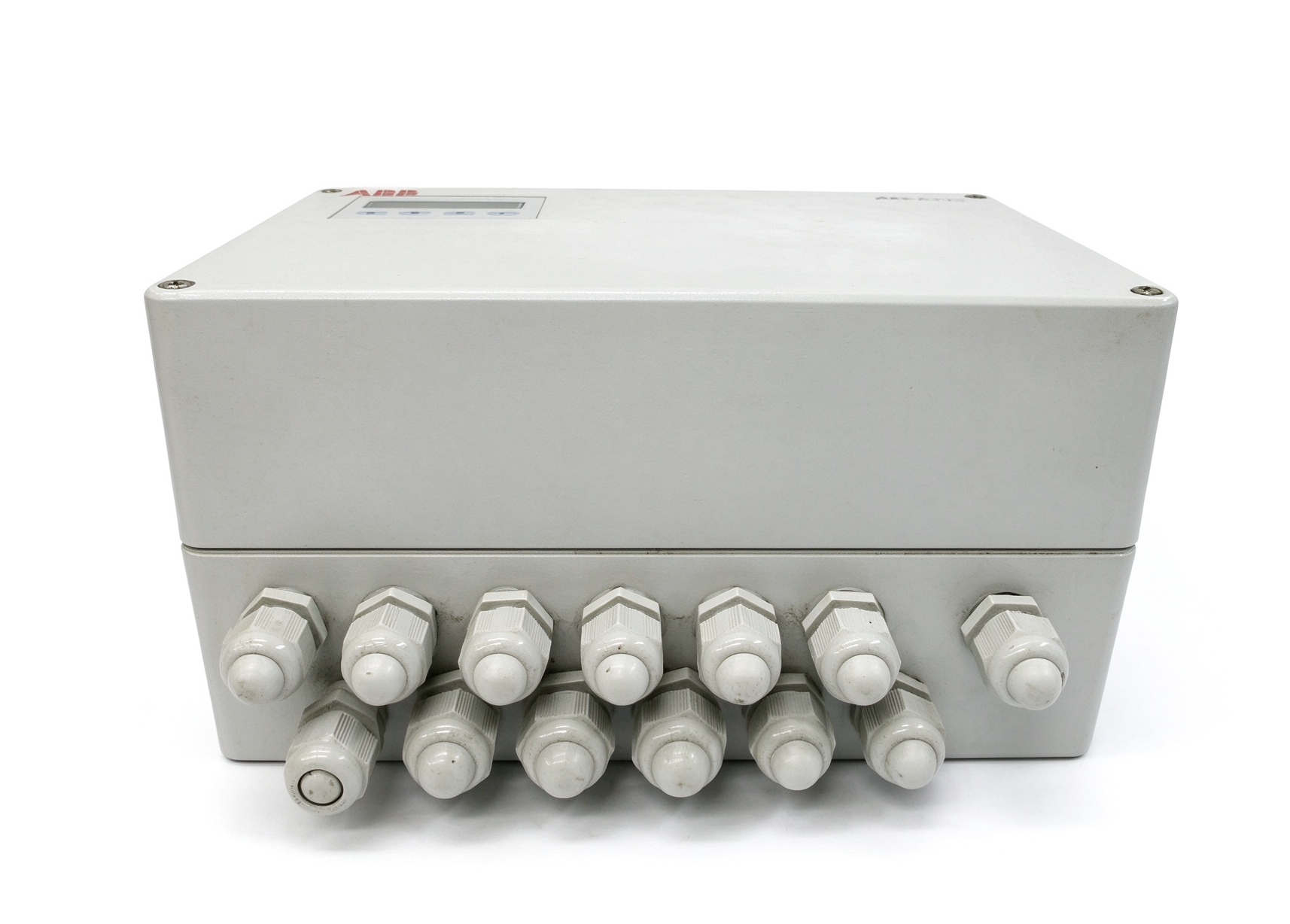
ABB PFEA113-65 3BSE050092R65 Tension Electronics Unit
The ABB PFEA113-65, identified by order number 3BSE050092R65,
is a tension electronics unit developed for industrial web tension
measurement and control systems. It processes signals from load
cells and provides measurement information for monitoring and
control applications. The IP65 enclosure makes this version
suitable for installations where protection against dust and
water exposure is an important consideration. With its integrated
display, configuration keys, analog outputs, digital interfaces,
and PROFIBUS-DP communication, the unit supports the integration
of tension measurement into a wider industrial automation system.
Product Overview
Tension measurement is an important process variable in production
lines that handle continuous materials. Paper, film, foil, textiles,
and similar web materials must often move through successive
processing stages while maintaining appropriate tension. Excessive
tension can stretch, deform, or damage the material, whereas
insufficient tension can contribute to wrinkles, unstable transport,
and inconsistent processing results.
The ABB PFEA113-65 provides electronic processing for load cell
signals used in web tension measurement systems. It belongs to
ABB’s PFEA tension electronics range, which is designed to support
different industrial tension measurement requirements. The PFEA113
version provides functions for processing multiple load cell
signals and making measurement values available through configurable
outputs and industrial communication.
The product designation 3BSE050092R65 identifies the IP65 version
of the PFEA113 tension electronics unit. Correct identification
is important when selecting hardware for an existing installation,
because other PFEA variants can have different enclosure ratings,
interfaces, or functional configurations. The complete order
number should therefore be checked against the installed unit
and the applicable technical documentation.
Web Tension Measurement and Control
Web tension describes the force acting on a continuous material
as it moves through a production process. Maintaining a suitable
tension level helps control material transport and supports
consistent production quality. The required measurement range
depends on the material, machine geometry, process speed, and
the characteristics of the installed load cells.
In a typical measurement arrangement, load cells detect forces
acting on a roller or another mechanical element. Their electrical
signals are supplied to the tension electronics for processing.
The resulting measurement values can be used for operator
monitoring, process regulation, and communication with other
control equipment.
The ABB PFEA113-65 is intended to operate as part of this broader
measurement arrangement. The electronics, load cells, mechanical
installation, signal wiring, and control system must be considered
together. Correct load cell selection, mechanical alignment,
electrical connection, and parameter configuration all influence
the usefulness of the measured tension values.
The unit’s display and configuration keys allow users to inspect
measurement information and adjust supported parameters. The
available display functions include sum, difference, and individual
load cell signals. These values can help operators understand
the relationship between the connected measurement channels
and investigate differences that may require further attention.
Key Features and Functional Capabilities
The PFEA113 series provides functions intended for demanding
industrial tension measurement applications. The PFEA113-65
combines a protected enclosure with signal processing and
communication facilities, allowing it to serve as an interface
between load cell measurements and the wider automation system.
- IP65 enclosure protection for suitable industrial installation
environments. - Support for four load cell inputs in the PFEA113 configuration.
- Six configurable analog outputs for measurement and control
integration. - One digital input and four digital outputs.
- PROFIBUS-DP fieldbus communication.
- Integrated multilingual display and configuration keys.
- Selectable output scaling and filtering functions.
- Built-in diagnostic functions and status indication.
- Maximum load memory and zero-offset memory functions.
These capabilities support measurement supervision and integration
with industrial control equipment. The exact use of each input
or output depends on the system design, selected configuration,
wiring arrangement, and the requirements of the connected
automation equipment. The technical manual should be consulted
before assigning terminals or configuring individual signals.
Electrical Supply and Interface Configuration
The electrical supply must match the requirements of the installed
PFEA113-65 unit. ABB’s published PFEA11x product information
specifies an AC supply range of 100 to 240 V with an operating
frequency range of 47 to 63 Hz for the IP65 version. The PFEA113
also supports a 24 V DC supply within the manufacturer’s specified
limits. The appropriate supply arrangement must be confirmed
from the product documentation and nameplate.
The current marking provided for this particular unit is
165–300 mA. This information should be checked against the
complete nameplate and applicable documentation before it is
used for electrical design or power supply selection. Supply
requirements should not be inferred from current alone, and
the unit must not be connected to a source outside its permitted
electrical ratings.
PROFIBUS-DP provides a communication interface between the
PFEA113 and compatible automation equipment. Through the
configured communication arrangement, tension measurement
information and supported diagnostic data can be exchanged
with a supervisory or control system. Network addressing,
bus configuration, device description files, and communication
parameters must be set according to the installation design.
The analog outputs provide scaled measurement signals for
compatible control or monitoring equipment. ABB’s product
information identifies voltage and current output capabilities
within the PFEA11x family. The output type and configuration
should be confirmed for the specific channel before connecting
the unit to a PLC, controller, recorder, or other receiving device.
Installation and System Integration
Correct installation is essential for reliable tension
measurement. Before mounting the PFEA113-65, engineers should
review the enclosure requirements, available space, cable routing,
grounding arrangement, and access needed for configuration
and maintenance. The IP65 rating applies when the enclosure
is installed and maintained in accordance with the manufacturer’s
instructions. Cable entries and connections must preserve
the intended protection level.
Load cell wiring should follow the applicable connection diagram.
Cable routing and shielding practices should be selected to
reduce electrical interference from motors, drives, contactors,
and other equipment. Incorrect wiring, poor shielding, or
unsuitable grounding can introduce noise into measurement
signals and affect the stability of the displayed values.
During commissioning, the configured load cell data, measurement
range, output scaling, filtering, and relevant communication
parameters should be reviewed. Calibration and zero adjustment
must follow the procedure specified for the complete tension
measurement system. The mechanical arrangement and load cell
installation should also be checked if the readings are unstable
or inconsistent.
When integrating the unit into an existing control system,
engineers should verify compatibility with the installed
PROFIBUS-DP network and the receiving equipment. Changes to
control logic or measurement scaling should be documented
so that future maintenance personnel can understand the
relationship between the physical measurement and the values
used by the control system.
Industrial Applications
Tension electronics are used in production processes where
continuous materials must be transported or processed under
controlled mechanical conditions. Typical application areas
include paper converting, film production, foil handling,
printing, coating, winding, unwinding, and other web-processing
operations. The suitability of a particular configuration
depends on the material, required measurement range, machine
layout, and process control strategy.
In winding and unwinding systems, tension measurements can
help the control system coordinate material movement as roll
diameters change. In printing and coating lines, stable tension
can contribute to consistent registration and material handling.
In paper and film processing, appropriate tension management
can help reduce stretching, wrinkles, and interruptions caused
by unstable web movement.
The PFEA113-65 provides measurement and interface functions
that can be incorporated into these types of applications
when the system requirements match its documented capabilities.
Application-specific engineering remains necessary to determine
load cell selection, mounting geometry, measurement scaling,
control strategy, and the use of analog or fieldbus signals.
Maintenance and Troubleshooting
A structured maintenance program helps preserve the performance
of tension measurement systems. Routine inspection should
include checking the enclosure, cable entries, connectors,
grounding, and visible wiring condition. Dust, moisture,
mechanical damage, and loose connections can affect the
installation and should be addressed according to approved
maintenance procedures.
If the displayed tension values fluctuate unexpectedly,
maintenance personnel should examine the entire measurement
chain rather than assuming that the electronics unit is the
source of the problem. Potential causes include load cell
installation issues, wiring faults, electrical interference,
incorrect scaling, unsuitable filter settings, or changes
in the mechanical process.
Communication problems should be investigated by reviewing
the PROFIBUS-DP connection, network configuration, device
address, and diagnostic information available from the
automation system. Output problems should be assessed by
checking the configured signal type, scaling parameters,
terminal connections, and receiving equipment.
Before maintenance or electrical inspection, hazardous energy
sources must be isolated in accordance with site procedures.
Any adjustment, calibration, or replacement should follow
the applicable ABB documentation and the requirements of
the installed machine.
Replacement Selection and Compatibility
When selecting a replacement for ABB PFEA113-65, part number
3BSE050092R65, the complete model designation should be verified.
The enclosure version is particularly important because the
PFEA series includes different configurations. A unit with
a similar product name may not provide the same protection
level, interfaces, or installed options.
Before ordering, compare the existing nameplate, electrical
supply requirements, load cell connections, output configuration,
and fieldbus arrangement with the documentation for the
proposed unit. Any differences in hardware configuration
or connected accessories should be evaluated before installation.
Where an alternative order number is proposed, interchangeability
should be supported by manufacturer documentation.
Accurate product identification and configuration records
help reduce compatibility errors and simplify future maintenance.
The original system drawings, parameter records, and relevant
commissioning information should be retained as part of the
equipment documentation.
Frequently Asked Questions
What is ABB 3BSE050092R65?
It is the order number for the ABB PFEA113-65 tension electronics
unit, an IP65 version designed for industrial web tension
measurement and control applications.
What communication interface does the PFEA113-65 support?
The PFEA113 supports PROFIBUS-DP communication. Network
configuration and integration must follow the applicable
system documentation.
How many load cells can the PFEA113 support?
The published PFEA113 specifications identify four load cell
inputs. The installed wiring and configuration should be
verified against the applicable technical manual.
What power supply does the PFEA113-65 require?
The published product information specifies 100–240 V AC
at 47–63 Hz for the IP65 version and also documents a 24 V DC
supply option within the specified limits. Confirm the exact
requirements from the unit’s nameplate and manual.
Conclusion
The ABB PFEA113-65 3BSE050092R65 is an IP65-rated tension
electronics unit for industrial web tension measurement
and control. Its load cell processing, configurable analog
outputs, digital I/O, display, diagnostic functions, and
PROFIBUS-DP communication support integration into compatible
industrial automation installations.
Correct electrical connection, appropriate load cell
configuration, careful commissioning, and systematic
maintenance are important for obtaining reliable measurement
results. Verifying the complete product number and following
the applicable ABB documentation helps ensure that the unit
is correctly selected and integrated into the intended
tension control system.

评价
目前还没有评价