
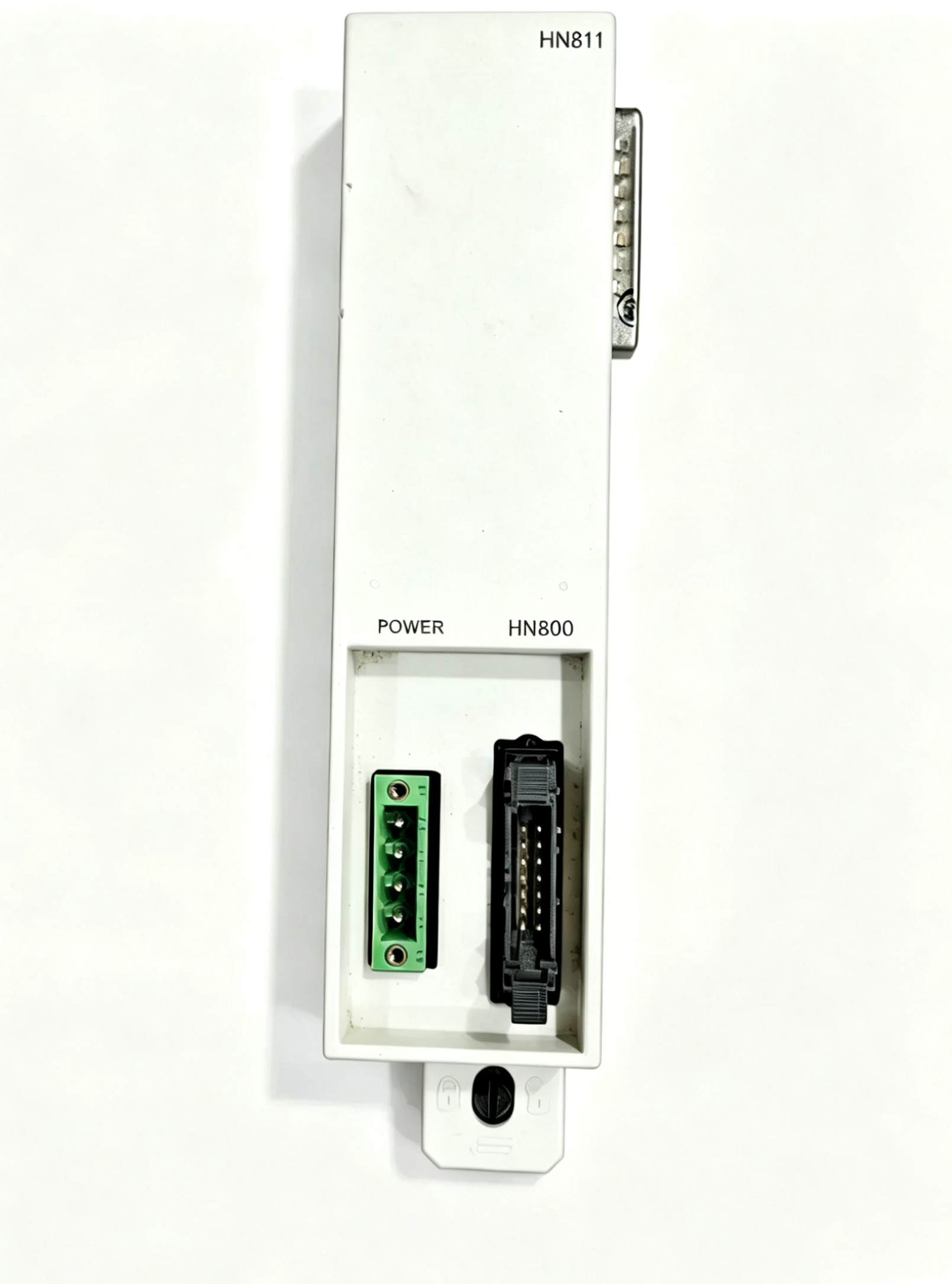
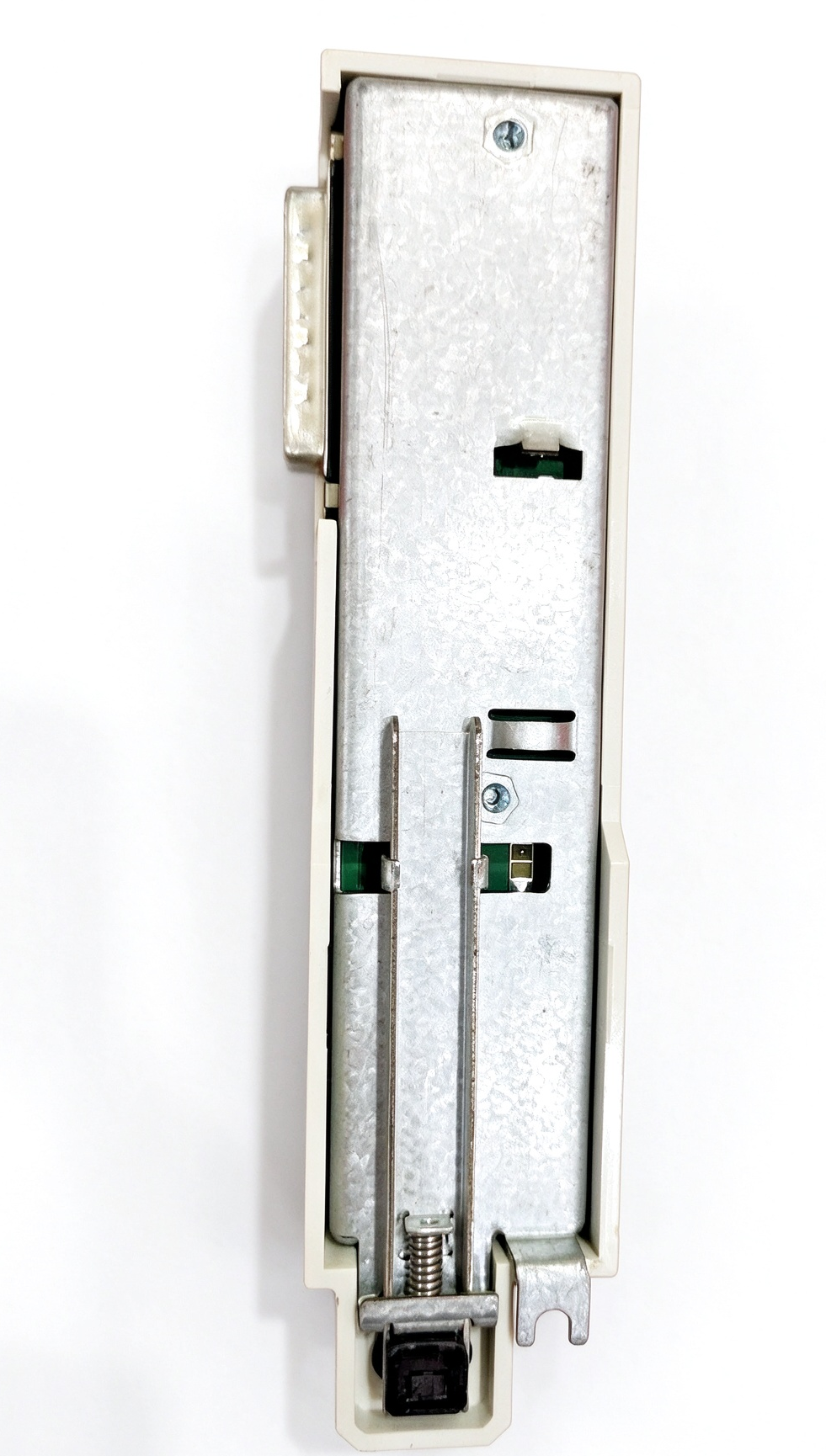
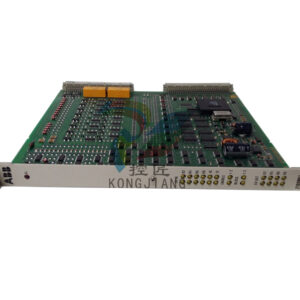
ABB HN811 Symphony Plus Industrial Automation System Component
ABB HN811 is a product reference associated with the
Symphony Plus industrial automation platform. Correct
identification of this component is important for
equipment maintenance, system configuration reviews,
and replacement planning. Understanding its relationship
to the installed automation architecture helps engineers
and maintenance personnel evaluate component requirements
without relying on assumptions based solely on a model
designation.
Product Overview
Industrial automation installations consist of coordinated
hardware and software elements that support process
supervision, equipment control, and communication between
different parts of a facility. Each component must be
identified correctly so that maintenance activities remain
consistent with the original system design. ABB HN811 is
associated with the Symphony Plus product environment,
making its exact identification relevant when reviewing
equipment records or planning a component replacement.
The HN811 designation should be checked against the
identification label and the technical records for the
installed equipment. Depending on the specific hardware
arrangement, additional product codes, revision details,
and configuration information may be needed to determine
the component’s precise role. These details help
distinguish the requested item from other components
used within the same automation platform.
Available ABB spare-parts information associates HN811
with the reference HBX01R. This relationship is useful
when investigating replacement options. However, the
suitability of HBX01R for a particular installation
should be confirmed using the applicable manufacturer
documentation and system configuration records before
making a substitution.
ABB Symphony Plus Automation Platform
ABB Symphony Plus is an industrial automation platform
designed for process control and related operational
requirements. Automation architectures can include
control hardware, input and output devices, communication
interfaces, operator stations, engineering tools, and
supervisory functions. The arrangement of these elements
depends on the application and the engineering design
adopted for the individual installation.
Components associated with an established automation
platform must be evaluated in the context of the
equipment with which they operate. Product identification
alone does not establish every supported configuration,
electrical characteristic, or replacement condition.
Engineers should therefore refer to system documentation
when determining how an individual component fits into
the wider control architecture.
When reviewing ABB HN811, it is useful to identify the
relevant system generation, the surrounding hardware
arrangement, and the component’s documented function.
Existing engineering drawings, equipment schedules,
maintenance records, and approved spare-parts lists
can help establish this information. Maintaining these
records also makes future troubleshooting and component
selection more straightforward.
System Integration Considerations
Integration within an industrial control system depends
on the relationship between hardware components and the
configuration defined for the installation. Depending
on their intended functions, system components may
interact with other hardware assemblies, communication
arrangements, or engineering configurations. The
applicable requirements must be established from the
relevant technical documentation rather than inferred
from the product name.
For ABB HN811, the first step is to verify the complete
model designation and establish its intended role in
the existing system. The next step is to review the
applicable installation documentation and confirm the
required hardware arrangement. This process helps
prevent confusion between similar product references
and reduces the risk of selecting an unsuitable
replacement component.
Compatibility should be considered across all relevant
aspects of the installation. Depending on the product,
these may include physical arrangement, electrical
requirements, connector configuration, supported system
revisions, and commissioning procedures. Not every
consideration necessarily applies to HN811; the
relevant requirements must be confirmed for the exact
component and application.
Product Identification and Reference Verification
Accurate identification is an essential part of
industrial spare-parts management. A model designation
may be accompanied by ordering information, revision
codes, serial details, or other markings that help
distinguish the precise configuration. Recording these
details before purchasing or replacing a component
improves the reliability of the selection process.
When identifying ABB HN811, examine the available
product markings and compare them with the equipment
inventory. Record the complete designation and any
additional identifiers that are visible. Where
applicable, review the surrounding assembly and
existing system documentation to establish the
component’s original position and intended use.
The HBX01R reference appears in available spare-parts
information as a related replacement reference for
HN811. This association can help direct a technical
inquiry, but it should not be treated as sufficient
evidence of universal interchangeability. The
replacement relationship, applicable system versions,
and any installation requirements should be confirmed
against the relevant technical records.
A clear identification process is particularly useful
when an installation contains equipment from different
generations or when historical documentation is
incomplete. It allows maintenance personnel and
procurement teams to distinguish confirmed product
references from alternatives that still require
engineering review.
Replacement and Compatibility Assessment
Replacing a component in an established control system
requires a structured technical assessment. The
replacement must satisfy the functional and configuration
requirements of the intended installation. Matching
a model family or finding a related reference in a
catalogue does not automatically establish that the
proposed item can be installed without additional
checks.
For an ABB HN811 replacement inquiry, begin by
documenting the currently installed component and
identifying the equipment in which it operates.
Compare the existing designation with the proposed
replacement reference and review the relevant
manufacturer documentation. Where HBX01R is being
considered, confirm its documented applicability
to the actual system configuration.
Additional engineering work may be necessary when
a replacement involves differences in hardware
revision, installation arrangement, or configuration
requirements. Any such requirements should be
determined from the approved documentation for the
specific installation. Unverified assumptions should
not be used as the basis for changing control
system hardware.
Before a component is returned to service, follow
the plant’s approved maintenance and change-management
procedures. Verify that the selected component
corresponds to the intended application and that
any required configuration or commissioning steps
have been addressed by qualified personnel.
Industrial Applications and Maintenance Planning
Industrial automation platforms are used in facilities
where process monitoring, equipment coordination,
and consistent operational control are important.
Depending on the installation, these environments
may include process manufacturing, utilities,
industrial production, and other applications that
rely on coordinated control and supervisory systems.
The precise application of ABB HN811 should be
established from its documented function rather
than assumed from the wider product family.
Confirming the component’s role helps engineers
understand its relationship to other equipment
and determine the appropriate maintenance approach.
Effective maintenance planning includes maintaining
accurate equipment records, tracking relevant
hardware revisions, and retaining the documentation
required for future replacement decisions. Spare-parts
inventories should clearly distinguish the requested
product from alternative references whose compatibility
has not yet been established.
These practices are valuable in long-running
installations, where equipment configurations may
change over time. Clear documentation allows
maintenance teams to compare the existing system
with the proposed configuration before beginning
work. It also supports more consistent communication
between engineering, procurement, and operational
personnel.
Technical Documentation and Specifications
Technical documentation provides the foundation
for accurate component selection. For ABB HN811,
the relevant records should identify the product
and describe the functions, installation conditions,
and system configurations applicable to the exact
hardware reference. Manufacturer documentation
should take precedence when a technical decision
depends on a specific specification.
Parameters to verify may include the complete
ordering designation, revision information,
dimensional requirements, electrical characteristics,
connector arrangement, supported system versions,
and any configuration procedures. These are
verification categories rather than confirmed
specifications for HN811. Only information
applicable to the exact product should be used
when preparing technical records or replacement
instructions.
Specifications published for a related component
should not automatically be assigned to HN811.
Similarly, the characteristics of HBX01R should
not be presented as the original specifications
of HN811 without supporting documentation. Keeping
the two product references distinct helps prevent
incorrect technical descriptions and compatibility
assumptions.
When several documentation sources are available,
compare the model designation and revision details
before relying on the information. This process
helps ensure that the selected technical data
applies to the actual installation and supports
a more reliable engineering decision.
Selection Guidance for Industrial Buyers
Selecting ABB HN811 for an industrial maintenance
requirement begins with a clear description of
the requested component. Buyers should provide
the complete product designation and any relevant
identification details. Information about the
installed automation platform and the intended
application can help clarify the requirement.
If an alternative part number is being considered,
the inquiry should identify both the existing
component and the proposed replacement. The
compatibility relationship should then be
confirmed against the applicable technical
documentation. This is particularly important
when the available product information identifies
a related replacement reference without detailing
every configuration condition.
Clear product descriptions and consistent
documentation help purchasing and engineering
personnel work from the same information.
Maintaining a record of the verified designation,
applicable system configuration, and replacement
decision also simplifies future maintenance
activities.
Conclusion
ABB HN811 is associated with the Symphony Plus
industrial automation platform and is relevant
to component identification, maintenance planning,
and spare-parts selection. Available spare-parts
information identifies HBX01R as a related
replacement reference, making it a useful
designation to investigate when reviewing
replacement requirements.
The appropriate selection depends on the exact
product identification, the installed system
configuration, and the applicable manufacturer
documentation. By verifying these details and
following established engineering procedures,
industrial users can make more informed decisions
about component compatibility and replacement
planning while preserving the integrity of
their existing automation systems.
评价
目前还没有评价