
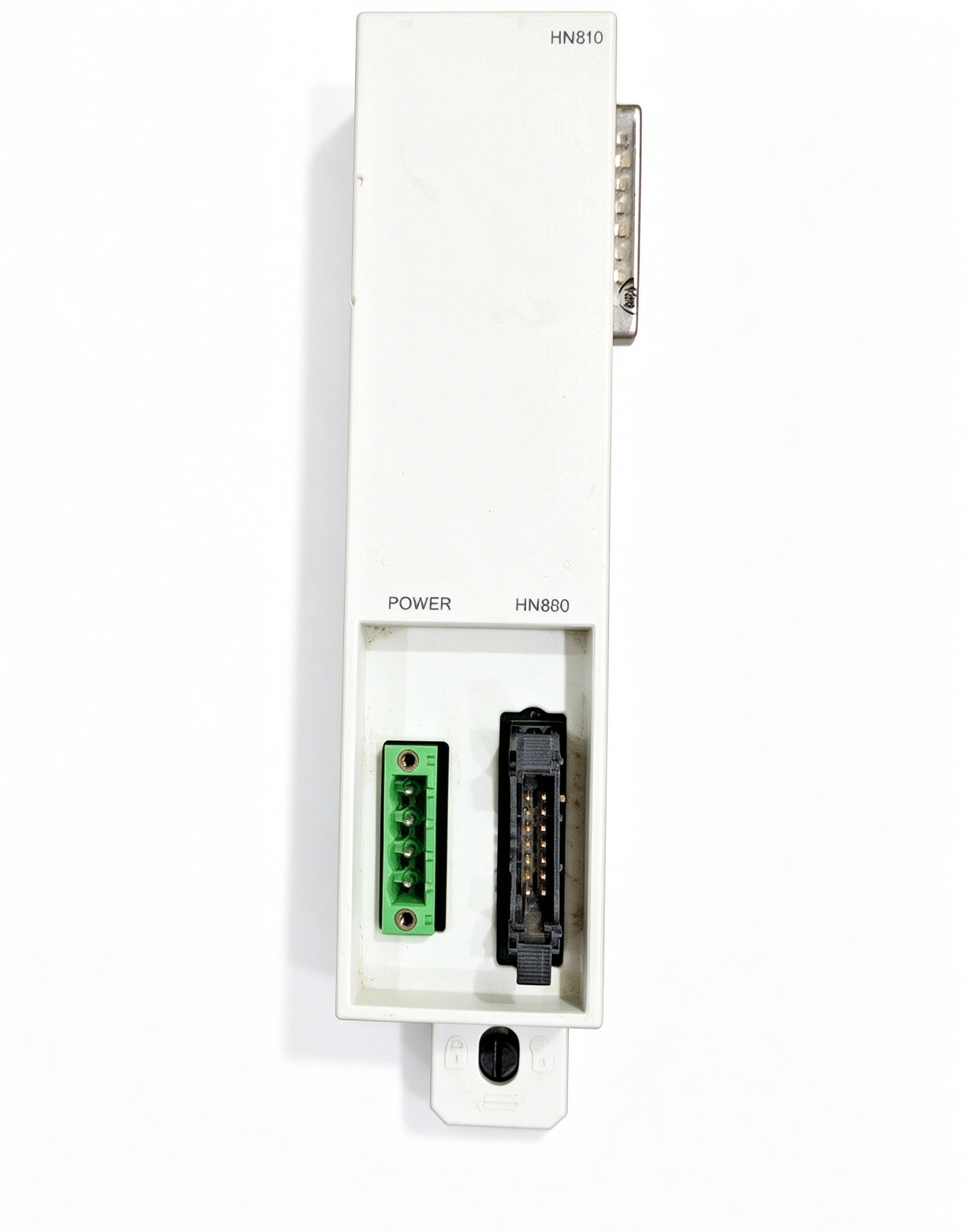
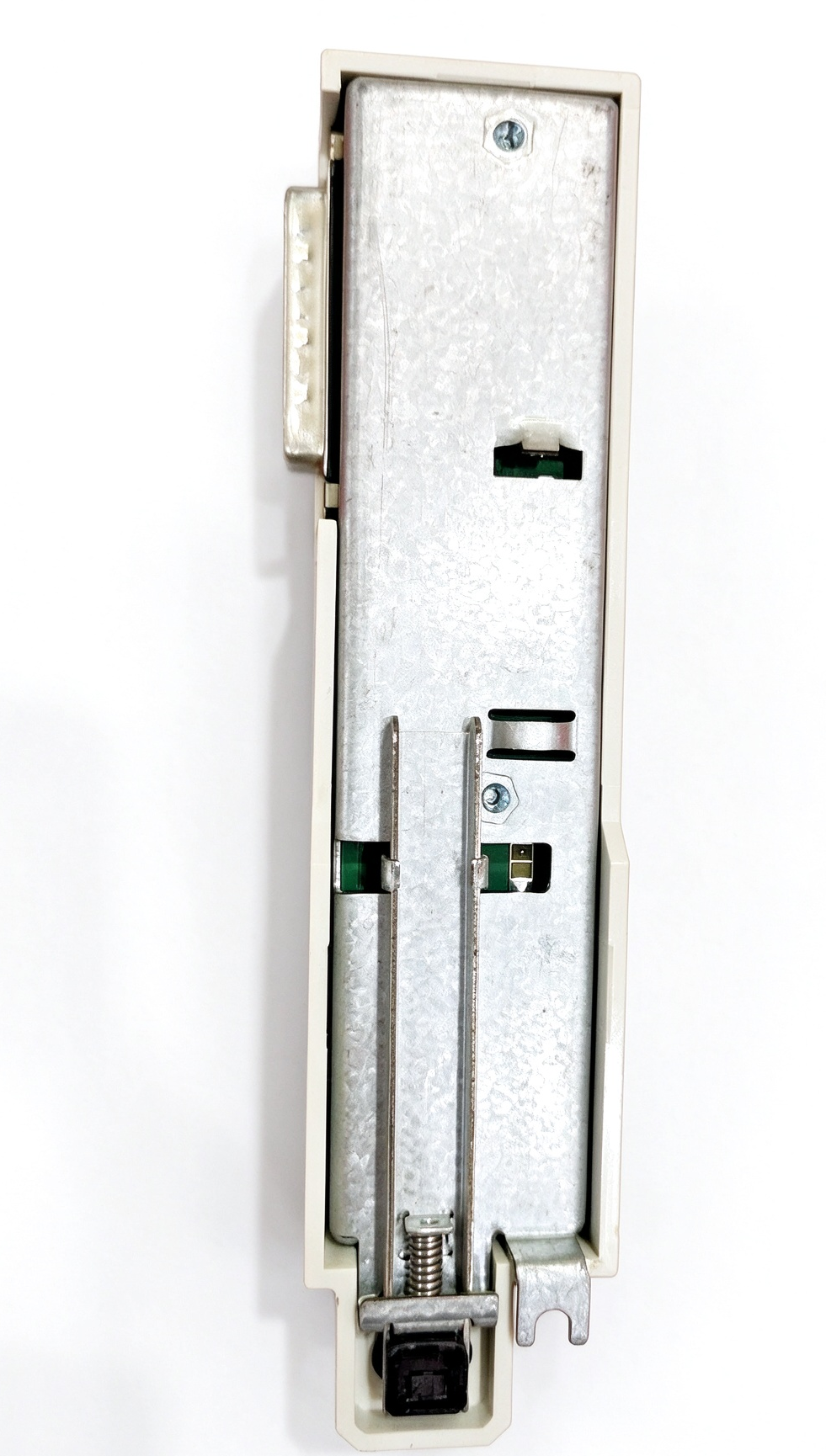
ABB HN810 Symphony Plus Industrial Control System Component
The ABB HN810 is a product reference associated with
industrial control system equipment in the ABB Symphony
Plus environment. Accurate identification of this component
is important when maintaining an established automation
installation, reviewing equipment inventories, or planning
a replacement for an existing system.
Product Overview
Industrial automation systems depend on the coordinated
operation of control hardware, communication infrastructure,
input and output devices, application software, and field
instrumentation. Each component has a defined role within
the overall installation, and the correct identification of
individual parts helps engineers maintain a consistent
equipment configuration.
ABB HN810 is a model designation that should be evaluated
in its original system context rather than treated as a
generic industrial controller. Available product listings
associate the HN810 reference with ABB Symphony Plus and
identify HBX01L as a related replacement reference.
This relationship should be verified against the relevant
equipment documentation before a purchasing or engineering
decision is made.
The exact function, hardware characteristics, and
installation requirements of an individual HN810 unit
should be established from its product label, associated
documentation, and the configuration of the installed
system. This approach helps prevent incorrect assumptions
when several similar product references appear in an
equipment inventory.
Role in Industrial Automation
Industrial control environments are designed to supervise
processes, coordinate equipment operation, and exchange
information between different levels of an automation
architecture. Depending on the installation, these levels
can include field devices, control hardware, operator
interfaces, engineering workstations, and supervisory
applications.
Components associated with an established control platform
must operate within the architecture and configuration
defined for that platform. Their suitability cannot be
determined by model numbers alone. Engineers need to
understand the intended component function, the equipment
in which it is installed, and the relationships between
connected devices.
For ABB HN810, the first step is to confirm the precise
product identity and its documented role in the existing
installation. The system configuration should then be
reviewed to establish whether the component is used as
part of a particular hardware assembly or another
system-specific arrangement. This information provides a
reliable foundation for maintenance and replacement
planning.
ABB Symphony Plus System Context
ABB Symphony Plus is an automation platform used in
industrial process applications. Control installations
built around an established automation platform can contain
multiple generations of hardware, application configurations,
and supporting equipment. Maintaining the relationship
between these elements is an important part of lifecycle
management.
When working with an HN810 reference, engineers should
establish the relevant Symphony Plus system generation,
installed hardware arrangement, and applicable product
documentation. The presence of a model designation in a
supplier catalogue does not by itself establish every
supported application or confirm universal compatibility
across system revisions.
Existing engineering records can provide valuable
information about the original installation. These records
may include equipment schedules, hardware configuration
documents, system drawings, maintenance logs, and approved
replacement lists. Comparing these records with the
physical identification label helps clarify the component’s
intended position and function.
Where the original documentation is incomplete, the
component should be assessed using the available system
records and appropriate technical support procedures.
Any proposed change should be reviewed against the
requirements of the actual installation rather than
assumed to be interchangeable solely because two items
appear in the same product family.
Product Identification and Reference Verification
Correct product identification is essential for industrial
spare-part management. A model number can be accompanied
by additional ordering codes, hardware revisions, serial
information, or other identifiers that distinguish one
configuration from another. These details can affect the
selection process even when two product descriptions look
similar.
Before specifying ABB HN810, record the complete designation
visible on the unit. Where available, capture the associated
product code, revision information, serial number, and
markings on the assembly or mounting arrangement. Compare
these details with the equipment list and the documentation
for the installed control system.
Available product listings associate HN810 with HBX01L
as a replacement-related reference. This association is
useful when investigating an alternative part number, but
it should not be interpreted as confirmation that every
HN810 installation can be changed directly to HBX01L.
The precise relationship must be established using the
applicable product documentation and system requirements.
A documented verification process reduces the possibility
of ordering an incorrect component, overlooking revision
differences, or introducing an incompatible item into an
operating control environment. It also creates a clearer
record for future maintenance teams.
Replacement and Compatibility Considerations
Replacement planning for industrial control hardware
requires more than matching a product name. Engineers
should confirm the intended function, physical arrangement,
electrical requirements, communication dependencies where
applicable, and the relevant hardware and software
configuration.
For an ABB HN810 replacement inquiry, begin by comparing
the identification information on the installed component
with the proposed replacement documentation. Check
whether the referenced part is approved for the relevant
system configuration and determine whether additional
hardware, configuration changes, or engineering procedures
are specified by the manufacturer.
Mechanical fit should not be used as the sole indicator
of compatibility. Components that appear similar can
differ in electrical characteristics, functional purpose,
supported configurations, or commissioning requirements.
These differences can affect system operation and must
be resolved before installation.
Where HBX01L is being considered as an alternative to
HN810, obtain the applicable replacement guidance and
confirm the relationship for the particular installation.
If the required documentation is unavailable, the proposed
substitution should remain unconfirmed until the relevant
technical information has been reviewed.
Industrial Applications and Maintenance Planning
Components associated with process automation platforms
may be encountered in installations where stable control,
consistent equipment coordination, and long-term
maintainability are important operational objectives.
Depending on the plant, such environments can include
process industries, utility facilities, manufacturing
operations, and other industrial applications that rely
on automated supervision.
The specific application of an HN810 unit depends on its
verified function within the installed system. It should
not be assigned a particular input, output, communication,
or controller role without supporting documentation.
Establishing the actual function allows maintenance
personnel to develop an appropriate inspection and
replacement plan.
Good maintenance planning includes keeping equipment
identification records current, documenting installed
revisions, and preserving the relevant system drawings.
Spare-part inventories should distinguish confirmed
equivalents from items that require further compatibility
checks. These practices are particularly useful in plants
where equipment has been maintained over multiple
operational cycles.
Before any replacement activity, follow the plant’s
approved isolation, access, and change-management
procedures. Confirm the effect of the planned work on
the surrounding control system, and ensure that the
personnel responsible for commissioning understand the
intended configuration. Manufacturer documentation and
site-specific engineering requirements should govern
the actual work.
Technical Documentation and Specification Review
Reliable technical information is essential when evaluating
an industrial automation component. For ABB HN810, users
should seek documentation that explicitly identifies the
model and describes its function, applicable system
configuration, installation conditions, and any approved
replacement relationships.
Important details to verify may include the complete
ordering designation, hardware revision, dimensional
requirements, electrical characteristics, connector
arrangement, supported system versions, and any required
configuration procedures. Not every item in this list
necessarily applies to HN810; the relevant parameters
should be taken from the documentation for the exact
component.
Specifications from another ABB product should not be
transferred to HN810 simply because the products belong
to a related automation family. Likewise, values published
for a proposed replacement should not be presented as
original HN810 specifications. Keeping these distinctions
clear improves technical accuracy and helps engineering
teams make informed decisions.
When comparing documentation from different sources,
prioritize model-specific manufacturer information and
confirm that the document applies to the correct hardware
revision. Supplier descriptions can assist with product
identification, but they should be checked against
authoritative technical records whenever the information
affects compatibility or installation.
Selection Guidance for Industrial Buyers
Selecting ABB HN810 for a maintenance requirement begins
with an accurate description of the existing equipment.
Buyers should provide the complete model designation and,
where possible, the associated product code and photographs
of the identification label. A description of the
installed automation platform and the intended application
can further support the identification process.
If a replacement is required, include the currently
installed part number and the proposed alternative in
the technical inquiry. Ask for confirmation of the
applicable system configuration and any documented
limitations. This is especially important when a catalogue
indicates a related replacement reference but does not
explain all compatibility conditions.
Procurement records should distinguish the requested
model from any alternative under consideration. Clear
records help engineering, purchasing, and maintenance
personnel work from the same technical information and
reduce confusion during future equipment reviews.
Conclusion
ABB HN810 is a product reference associated with ABB
Symphony Plus industrial automation. Its identification
and replacement assessment should be based on the exact
model designation, the original installation, and
applicable technical documentation. The HBX01L reference
may be relevant when researching replacement options,
but the exact compatibility relationship must be verified
for the intended system.
By checking product markings, reviewing system records,
confirming approved replacement information, and
following established engineering procedures, industrial
users can make more informed decisions about component
selection and lifecycle maintenance. Accurate product
information supports effective spare-part management
while helping preserve the integrity of the installed
automation architecture.

评价
目前还没有评价