
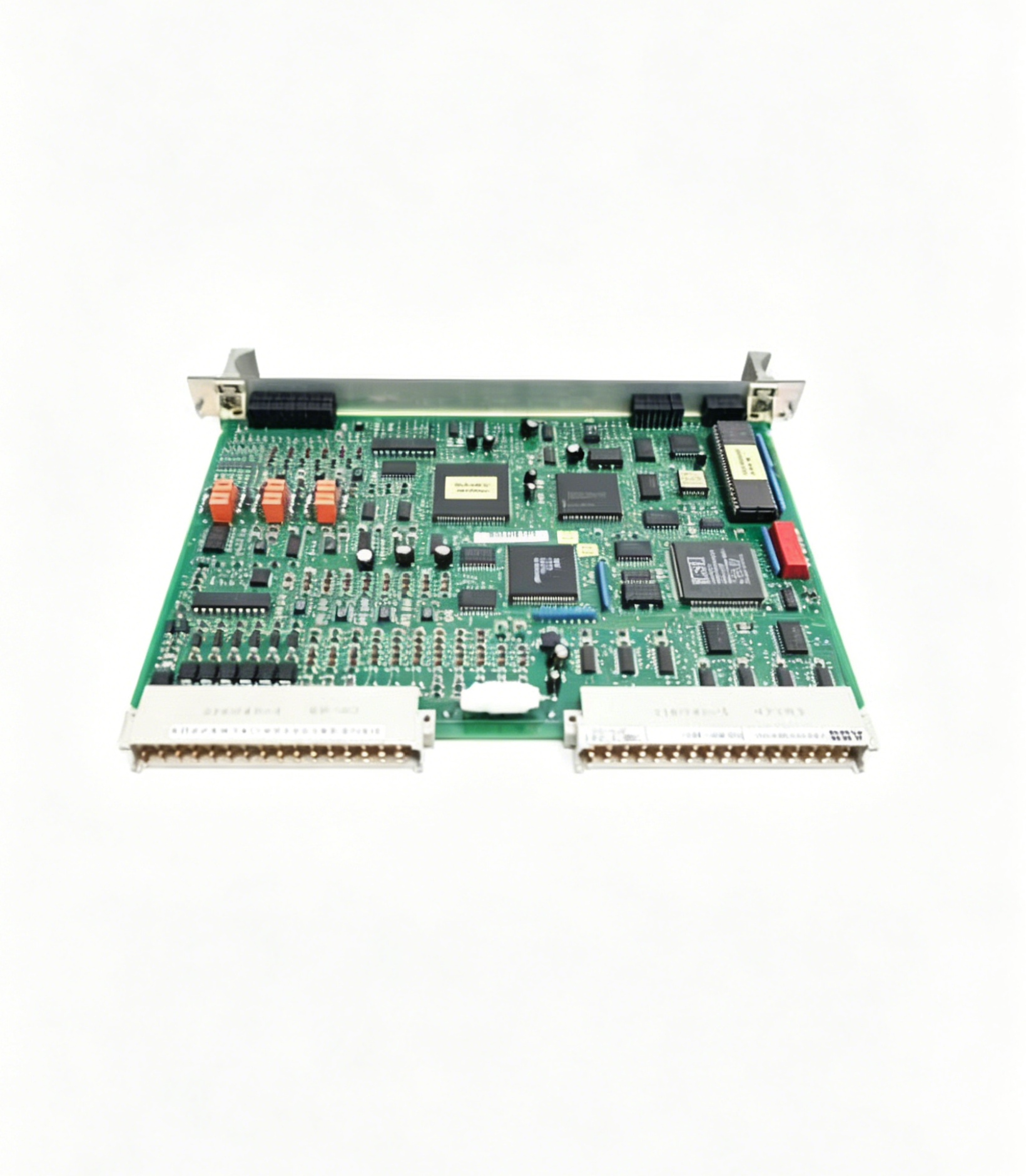
ABB HIEE300766R0006 Industrial DCS Control Module
The ABB HIEE300766R0006 is an industrial-grade control module designed for use within ABB distributed control systems (DCS). It plays an important role in managing communication, signal processing, and system coordination in complex industrial automation environments. This module is commonly used in power generation plants, process industries, and large-scale industrial control systems where stability and reliability are essential for continuous operation.
Overview of ABB HIEE300766R0006
This control module belongs to ABB’s industrial automation electronics portfolio, specifically designed for integration into DCS architectures. It functions as a system-level interface board that connects different control components within an automation network. By ensuring accurate signal exchange and system synchronization, it contributes to stable process control performance in industrial environments.
In distributed control systems, multiple modules work together to manage complex industrial processes. The ABB HIEE300766R0006 is typically used as part of this modular architecture, enabling communication between input/output systems, controllers, and supervisory control units. Its role is essential for maintaining system integrity and ensuring that industrial operations run smoothly and efficiently.
Functional Role in Industrial Automation
The primary function of the ABB HIEE300766R0006 is to support reliable data processing and system communication within ABB control systems. It handles signal coordination between different automation layers, ensuring that process data is transmitted accurately and without interruption. This is especially important in environments where real-time control is required.
The module helps maintain synchronization across industrial processes by ensuring that control signals are processed in the correct sequence. This contributes to stable operation in systems such as turbine control, boiler management, chemical processing, and manufacturing automation.
Integration in Distributed Control Systems
ABB distributed control systems rely on modular components to manage complex industrial operations. The HIEE300766R0006 is integrated into these systems as a functional electronic board that supports communication between different control layers.
It typically works alongside other ABB system modules to form a complete automation architecture. These systems are designed to manage large-scale industrial operations where multiple processes must be coordinated simultaneously. The module ensures that information flows efficiently between system components, reducing delays and improving operational consistency.
Signal Processing and Communication Capabilities
One of the key roles of the ABB HIEE300766R0006 is signal processing within industrial control systems. It receives, interprets, and transmits control signals between system components, ensuring that automation logic is executed correctly. This function is essential in maintaining precise control over industrial processes.
The module supports stable communication between field devices and central control systems. It helps reduce signal distortion and ensures that data integrity is maintained even in electrically noisy industrial environments. This reliability is critical in applications where incorrect signal transmission could lead to process instability.
Application Areas in Industry
The ABB HIEE300766R0006 is widely used in power generation facilities, oil and gas plants, chemical processing industries, and large-scale manufacturing systems. In power plants, it plays a role in monitoring and controlling turbine systems, boiler operations, and auxiliary equipment.
In process industries, the module supports continuous monitoring and control of production parameters such as temperature, pressure, and flow rates. It ensures that these variables remain within defined operating ranges, contributing to safe and efficient production.
It is also used in heavy industrial automation systems where centralized control and distributed signal processing are required. This includes steel production, water treatment facilities, and automated production lines.
System Stability and Reliability
The ABB HIEE300766R0006 is designed for high reliability in industrial environments. It is built to operate continuously under demanding conditions where system uptime is critical. Its architecture supports stable performance even in environments with temperature fluctuations, electrical interference, and continuous operational load.
System reliability is a key requirement in industrial automation, especially in critical infrastructure such as power generation. This module contributes to overall system stability by ensuring consistent communication between control components and reducing the risk of signal loss or processing errors.
Role in Process Control Systems
In process control applications, the ABB HIEE300766R0006 plays a supporting role in maintaining accurate process regulation. It ensures that control commands are transmitted correctly and that feedback signals from field devices are processed in real time.
This enables precise control of industrial processes, improving efficiency and reducing operational variability. The module is essential in maintaining closed-loop control systems where continuous feedback is required for stable operation.
Maintenance and Lifecycle Performance
The ABB HIEE300766R0006 is designed for long-term operational use within industrial control systems. Its stable electronic design allows it to maintain consistent performance over extended periods of operation. In industrial environments, such modules are typically monitored as part of preventive maintenance strategies to ensure system reliability.
Regular system diagnostics help ensure that the module continues to function correctly within the control architecture. This contributes to reduced downtime and improved operational efficiency across industrial systems.
Conclusion
The ABB HIEE300766R0006 industrial DCS control module is a critical component in ABB automation systems. It provides reliable signal processing, system communication, and integration support within distributed control architectures. Designed for use in demanding industrial environments, it plays an important role in ensuring stable and efficient operation of power plants and process control systems. Its reliability, compatibility, and functional stability make it a key element in modern industrial automation infrastructure.
评价
目前还没有评价