
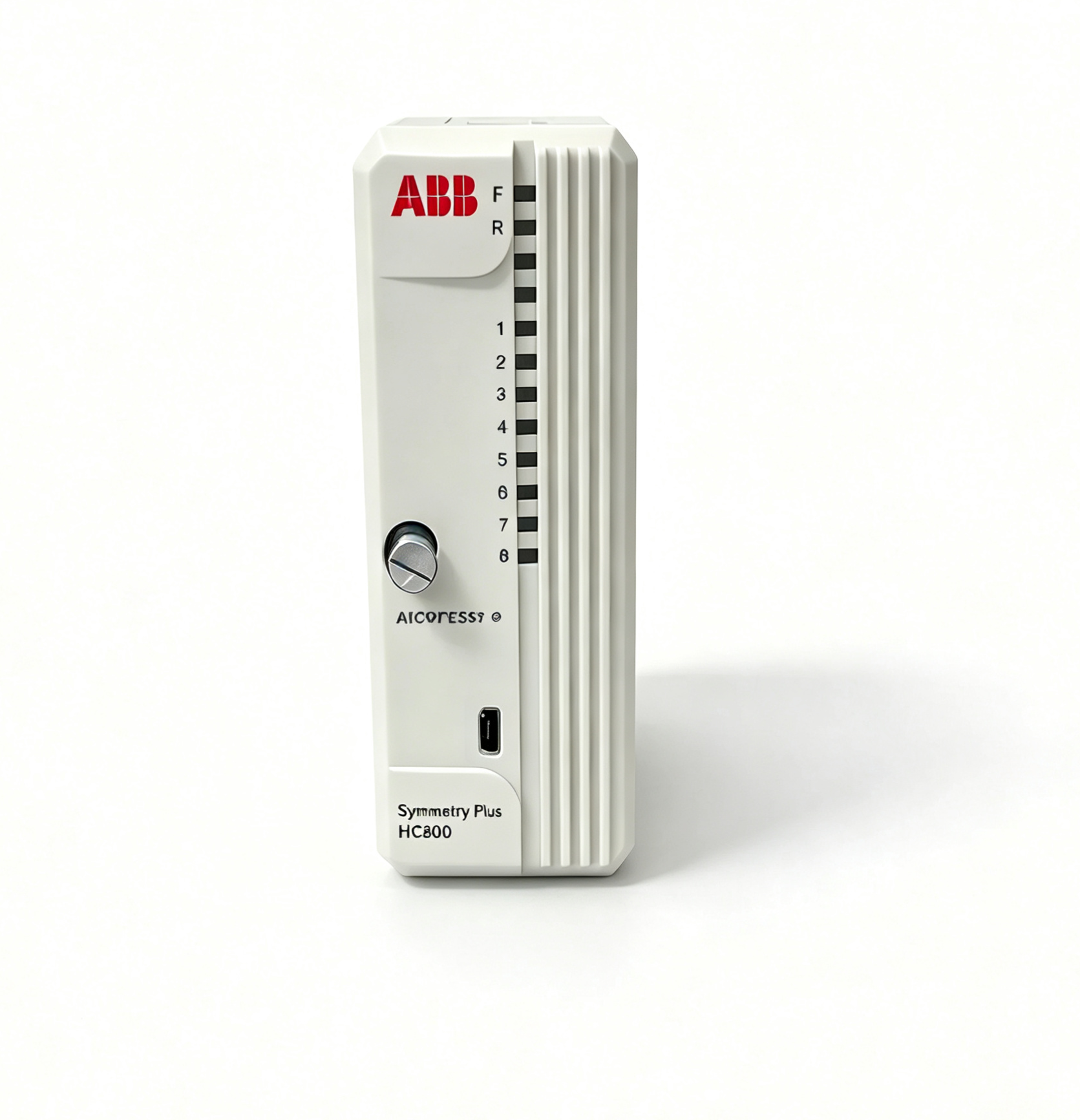
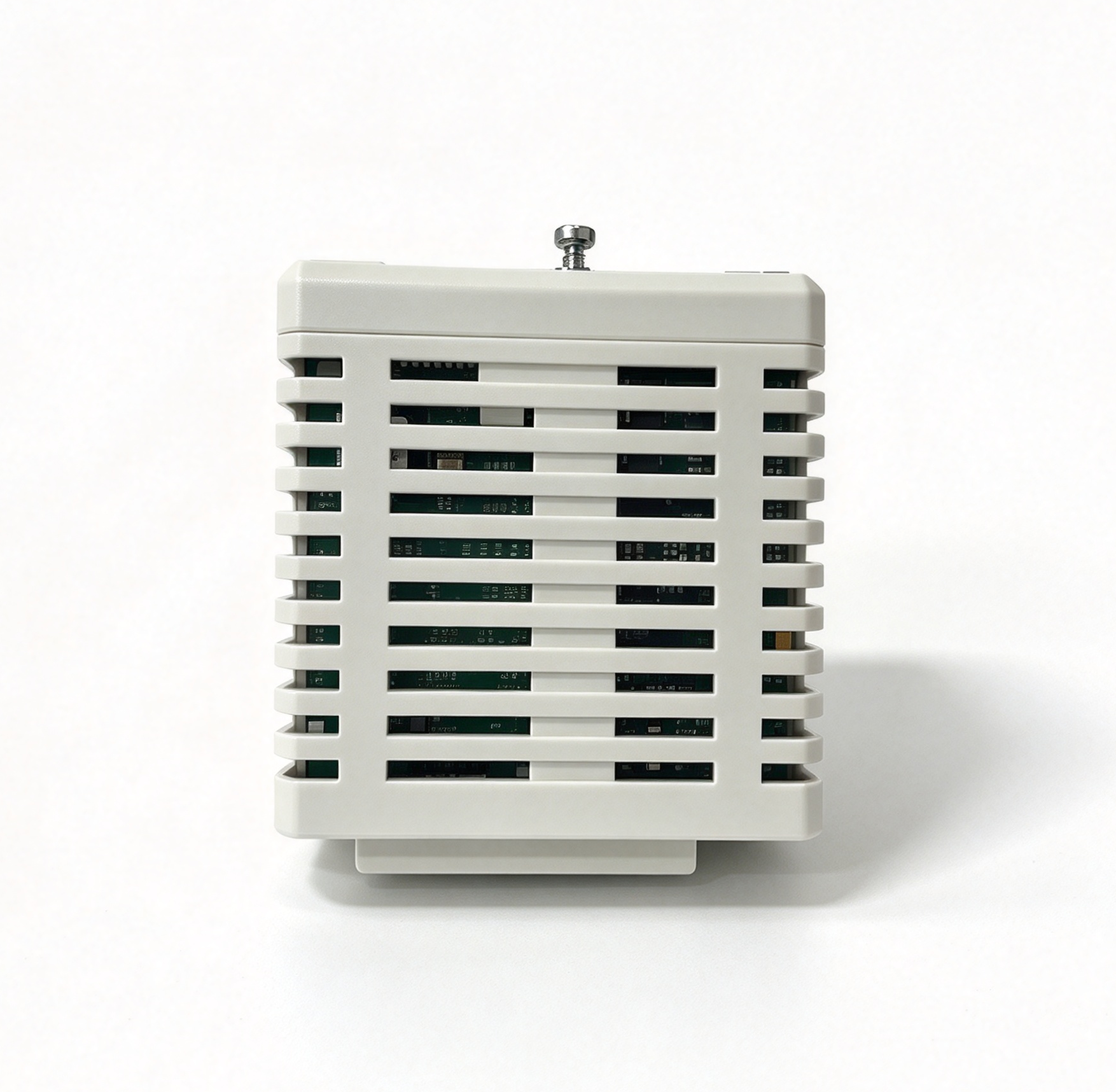
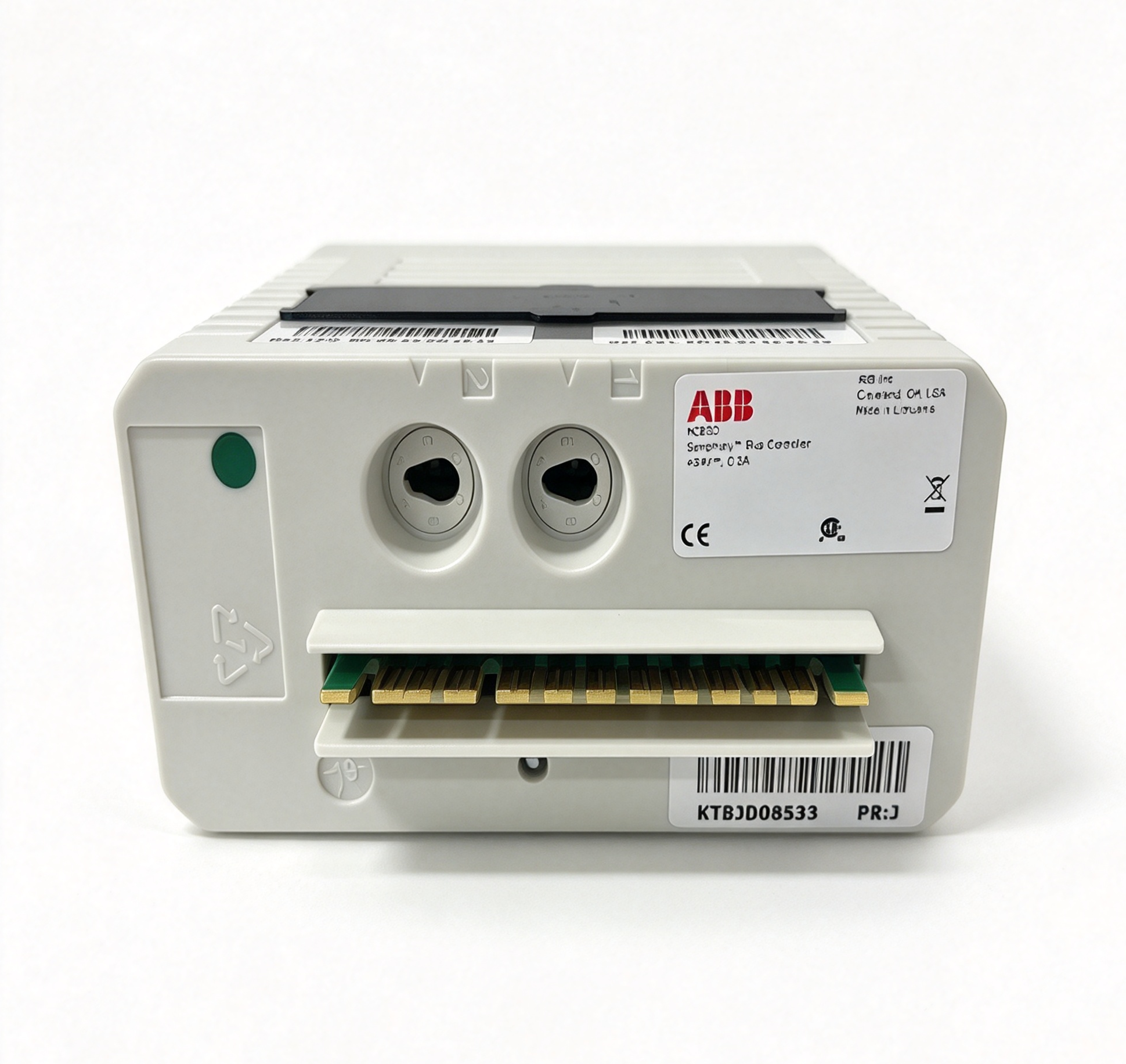
ABB HC800 Harmony Control Processor
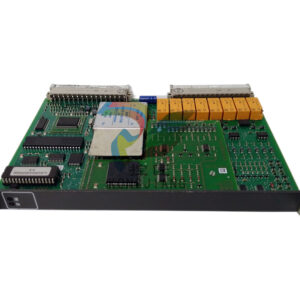
The ABB HC800 Harmony Control Processor is a controller component designed for the HPC800 automation platform associated with ABB Symphony Plus systems. It provides the processing functions required by the control architecture and operates as part of a coordinated arrangement of controller hardware, communication components, and compatible input/output devices.
In industrial process automation, the control processor is responsible for executing configured control functions and coordinating system operations according to the application design. The HC800 should therefore be selected and maintained as part of the complete control system rather than treated as an independent, general-purpose computing device.
Product Overview
The ABB HC800 is identified as a Harmony Control Processor for the HPC800 platform. Its primary role is associated with processing and executing control functions within a configured automation system. Depending on the application, a control processor forms part of the system responsible for monitoring process conditions, evaluating configured logic, and coordinating control actions through compatible system components.
The processor works within a defined hardware and software environment. Its supported functions depend on the system configuration, engineering software, firmware, installed modules, and applicable ABB documentation. Consequently, detailed specifications and compatibility requirements should always be checked against the exact product revision and intended application.
Control processors are important components in distributed control systems because their operation affects the execution of control strategies and the exchange of process information. Correct hardware identification and configuration are therefore essential when planning maintenance, troubleshooting, or replacement work.
Control Processing Functions
The HC800 provides the controller processing function within the HPC800 control architecture. In a configured industrial automation application, control processing may include evaluating logic, executing programmed control strategies, and coordinating data exchange with compatible system components.
The specific control functions available in an installation are determined by the application engineering, configured software, and supported system architecture. The processor model alone does not establish which control algorithms, execution rates, or application-specific functions are enabled in a particular installation.
For this reason, engineering teams should use the approved project documentation when reviewing controller behavior or planning application changes. Any modifications to control logic, processor configuration, or related hardware should follow the site’s change-management and commissioning procedures.
When a control processor is replaced, the engineering team should also determine whether the application configuration must be restored, transferred, or verified before normal operation resumes. These requirements depend on the existing system and the replacement procedure specified by the manufacturer.
HPC800 System Architecture
The HPC800 platform combines controller hardware with communication and I/O components to support industrial control applications. Within this arrangement, the HC800 serves as the Harmony Control Processor, while other components provide communication, mounting, and connection functions.
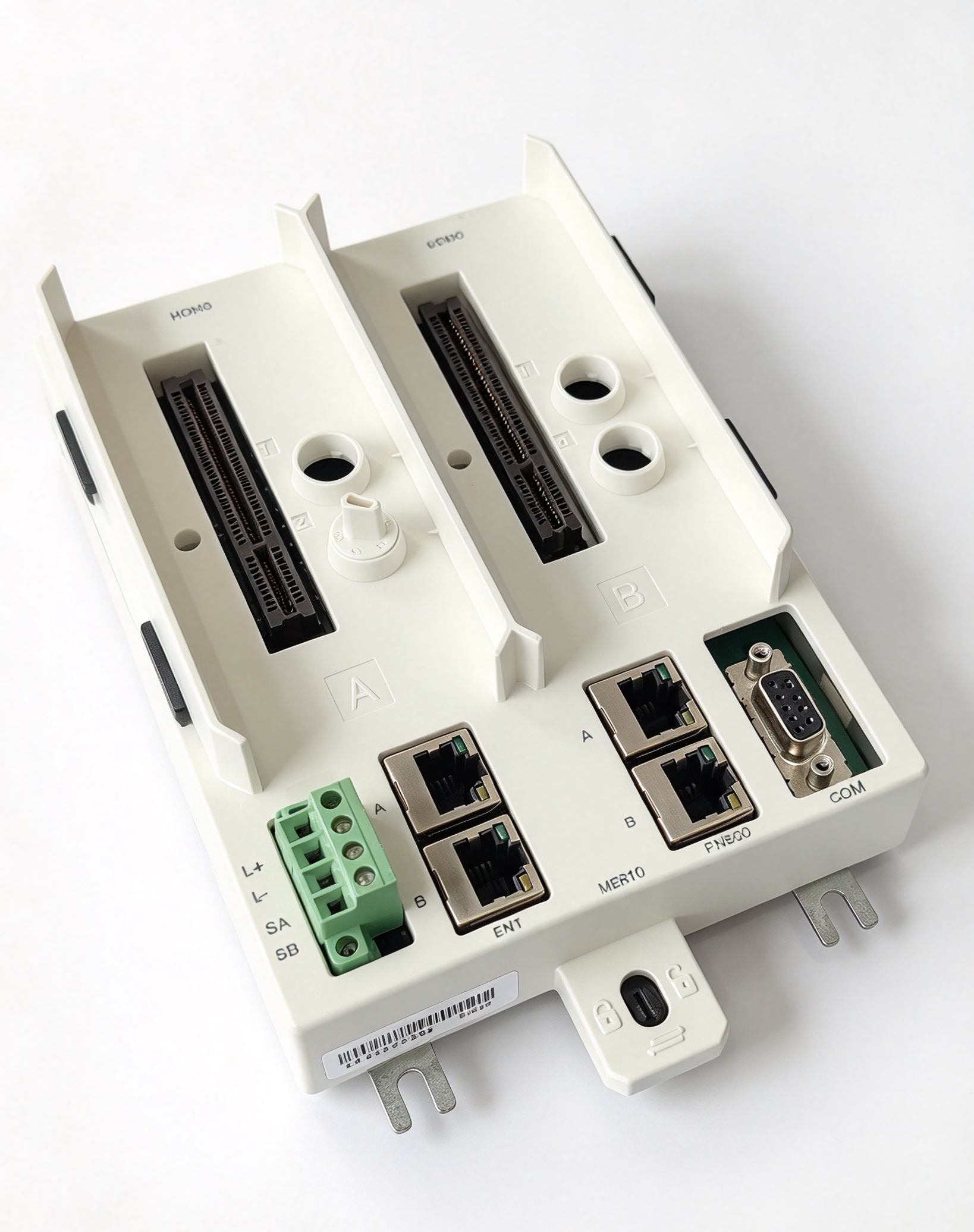
The MB810 is a mounting base associated with the HC800 and CP800 hardware arrangement. The CP800 is a communication processor used for communication between the HC800 and the PN800 plant network. These components have different responsibilities and should not be considered interchangeable.
Terminal boards such as the CTB810 and CTB811 provide designated connection arrangements for HN800 and CW800 communication buses. Their mounting positions and supported connections must match the system design. When examining a controller assembly, it is important to distinguish the processing module from its mounting base and communication accessories.
Understanding these relationships helps engineers identify the correct replacement component and evaluate how a hardware change may affect the surrounding system. Compatibility should be confirmed through the applicable ABB documentation rather than inferred from a shared product family or similar physical appearance.
Communication and I/O Integration
In an automation system, a control processor depends on the configured communication architecture to exchange information with compatible devices and other system components. Communication paths may support process data exchange, controller coordination, and access to connected I/O resources, depending on the installed system design.
The HC800 operates within the HPC800 architecture, where communication processors, terminal boards, network components, and I/O hardware each serve defined functions. The exact communication capabilities and supported connections must be confirmed from the hardware manuals and system engineering documentation.
During system design or maintenance, verify the communication topology, module compatibility, required connections, and configuration settings. A processor should not be assumed to support an arbitrary interface or network simply because that interface is used elsewhere in the same automation system.
If communication issues occur, inspect the entire path between the controller and the affected component. Potential causes may include cabling, configuration mismatches, connected modules, network infrastructure, or the processor itself. System diagnostics should guide the troubleshooting process.
Installation and Handling Considerations
The HC800 should be installed and maintained by personnel familiar with the HPC800 platform and the site’s electrical safety procedures. Before beginning work, confirm the correct isolation method and review the applicable installation instructions for the installed hardware configuration.
- Verify product identification: Check the HC800 model designation and record any additional part numbers or revision details.
- Confirm compatibility: Ensure that the processor is supported by the target HPC800 configuration.
- Inspect the mounting arrangement: Verify the appropriate mounting base and the compatibility of adjacent hardware.
- Follow handling precautions: Use the required electrostatic-discharge protection when handling electronic modules.
- Review application requirements: Determine whether configuration backup, restoration, or engineering checks are required.
- Verify system operation: Follow the approved commissioning procedure and review relevant diagnostics after installation.
Do not assume that the processor supports hot swapping or can be removed while the system is energized. Such procedures must be explicitly permitted by the applicable manufacturer documentation. Unapproved handling can affect system availability and may create electrical or equipment risks.
Maintenance and Troubleshooting
When a control system reports an abnormal condition, begin by reviewing available diagnostics, controller status information, and recent maintenance or configuration changes. Confirm the processor identity and check that the installed hardware matches the approved system configuration.
If control processing or communication appears abnormal, investigate the affected function systematically. Review the relevant application configuration, connected modules, communication path, and any recorded alarms. Avoid assuming that every system fault originates in the control processor.
Before making configuration changes, document the existing settings and follow the site’s approved maintenance process. Changes to control logic or processor parameters should be performed only by authorized personnel who understand the application and its operational consequences.
If a processor replacement is being considered, confirm the required recovery procedure and determine how the controller application will be restored and validated. The necessary steps depend on the software environment, system revision, and approved replacement instructions.
Replacement and Compatibility Verification
When selecting an ABB HC800 for an existing installation, verify the exact model designation, relevant revision information, and supported system configuration. Confirm that the processor is compatible with the installed mounting base, communication components, application software, and firmware requirements.
Do not select a replacement solely because it belongs to the HPC800 product family. A communication processor, terminal board, mounting base, and control processor perform different functions, even when they are installed in the same assembly.
For systems that are already in operation, consult the system bill of materials and the engineering documentation before changing hardware. The maintenance team should also establish whether the replacement requires a configuration transfer, application verification, or additional commissioning activities.
Accurate identification and documented compatibility checks help reduce the risk of installing unsuitable hardware or interrupting the operation of an industrial control system.
Technical Information
The product designation is ABB HC800, with the product description Harmony Control Processor. It is associated with the HPC800 automation control platform within the ABB Symphony Plus system environment.
Detailed information such as processor specifications, memory capacity, supported interfaces, electrical characteristics, dimensions, operating limits, firmware compatibility, and installation requirements should be obtained from the applicable ABB technical documentation. These values should not be inferred from the model designation or borrowed from a related product.
For technical evaluation or procurement, record the complete product identification and the relevant information about the target control system. This provides a sound basis for confirming compatibility and planning installation or replacement work.
Conclusion
The ABB HC800 Harmony Control Processor is a processing component of the HPC800 automation platform. It operates within a coordinated control-system architecture that includes communication processors, mounting hardware, terminal boards, and compatible I/O components.
Correct application depends on confirming the processor’s identity, supported system configuration, and software requirements. Following the applicable ABB documentation and established maintenance procedures helps support reliable integration, systematic troubleshooting, and controlled replacement within industrial automation installations.
评价
目前还没有评价