
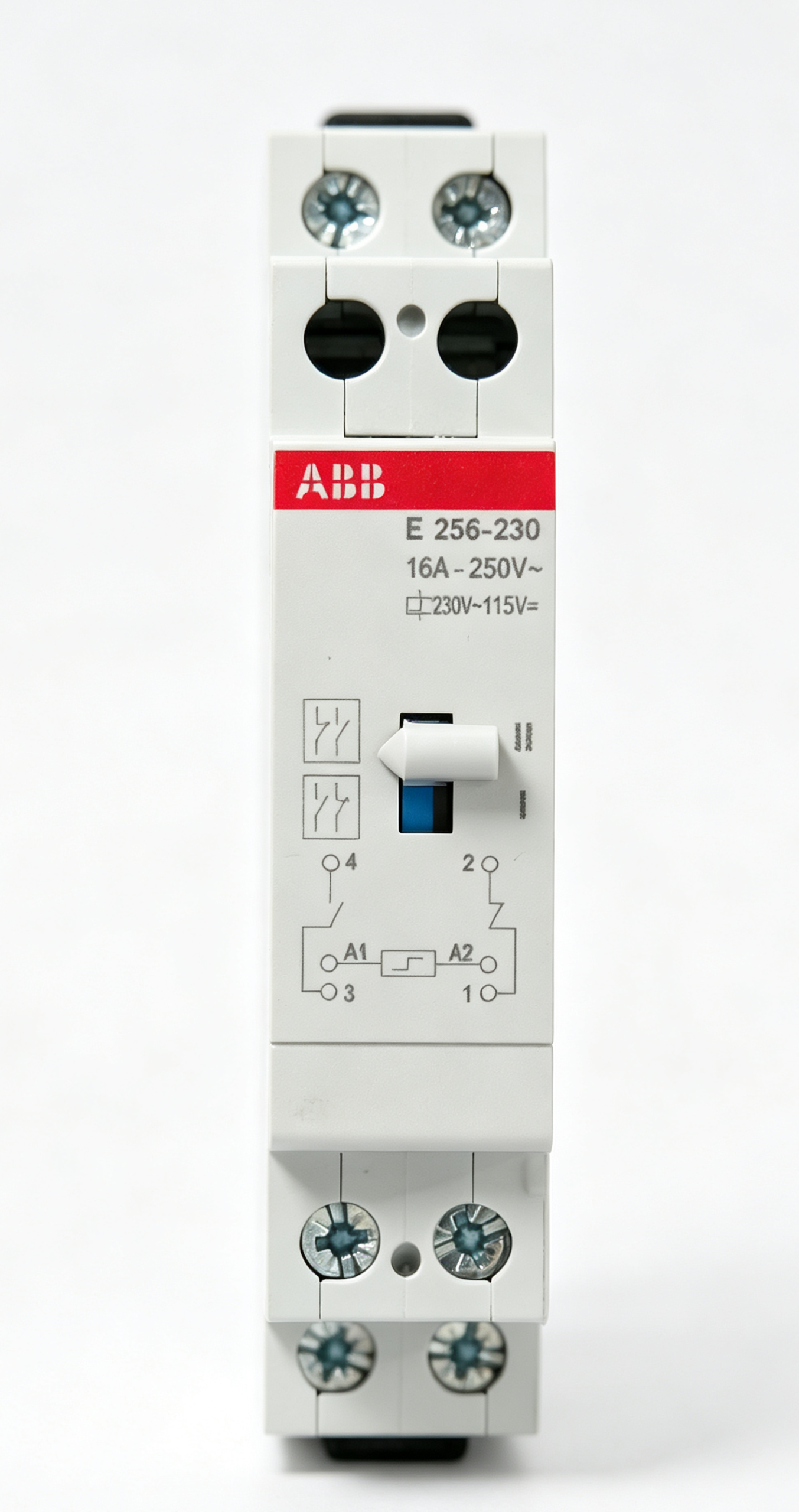
ABB E256-45 Latching Relay for System pro M compact Electrical Control
The ABB E256-45 belongs to the E250 family of modular latching relays used for impulse-controlled switching applications in electrical installations. The E250 family is part of ABB’s System pro M compact range and is designed for modular installation in distribution and control environments. Latching relays are particularly useful when a switching command needs to change the state of a circuit without requiring continuous energization of the control input.
The E256 configuration is associated with a 1NO + 1NC contact arrangement, providing one normally open and one normally closed switching path. This configuration allows the relay to perform coordinated switching functions within lighting circuits, building electrical systems, control panels and other low-voltage applications where impulse control is required.
Product Overview
ABB E256-45 is an electromechanical latching relay designed around the bistable operating principle. Unlike a conventional relay that normally returns to a defined position when the control signal is removed, a latching relay changes and retains its contact position after receiving the appropriate control impulse. A subsequent impulse changes the contact state again.
This operating principle can reduce the need for continuous coil energization and is useful in applications where multiple push buttons or control stations are used to operate the same electrical load. The modular format also allows the device to be integrated into standard electrical distribution assemblies.
| Brand | ABB |
|---|---|
| Model | E256-45 |
| Product Family | E250 Series |
| Product Type | Latching Relay / Impulse Relay |
| Contact Configuration | 1NO + 1NC |
| Mounting Concept | Modular DIN-rail installation |
| Operating Principle | Bistable latching operation |
| Application | Electrical switching and control circuits |
Operating Principle of the E256 Series
The main characteristic of a latching relay is its ability to maintain its switching state after the control impulse has ended. When an appropriate control pulse is applied, the internal mechanism changes the position of the contacts. Once the pulse is removed, the contacts remain in their new position rather than immediately returning to the previous state.
When another control impulse is applied, the mechanism changes state again. This makes the device suitable for control schemes where a push button or momentary command is used instead of a continuously operated switch.
For building electrical systems, this arrangement can simplify control wiring because several momentary push buttons can be connected to operate the same relay. The relay then performs the actual switching function for the connected circuit.
1NO + 1NC Contact Configuration
The E256 configuration provides one normally open contact and one normally closed contact. These two contact states can be used to control different portions of an electrical circuit or to provide complementary switching behavior.
The normally open contact remains open in its corresponding resting state and closes when the relay changes to the active state. The normally closed contact performs the opposite switching action. The combination of these two contact types provides more flexibility than a relay equipped only with normally open contacts.
When integrating the E256-45 into an existing panel, the actual terminal arrangement and electrical ratings should be checked against the relevant ABB documentation and the identification information on the specific device.
System pro M compact Integration
The ABB E250 series is intended for modular electrical installation. Its modular construction makes it suitable for distribution boards, control assemblies and other installations where devices are mounted in an organized DIN-rail arrangement.
Within a larger System pro M compact installation, the latching relay can operate as an interface between momentary control devices and the electrical load. The relay provides the switching function while the external push buttons or control contacts provide the impulse commands.
This type of architecture is commonly used where control points are distributed throughout a building or electrical installation. Instead of routing a separate maintained switching circuit from every control point, momentary control inputs can operate the latching mechanism.
Typical Applications
Latching relays are commonly used in electrical installations where momentary commands are preferred. Depending on the complete system design and electrical ratings, applications can include lighting control, building automation interfaces, distribution panels and general switching circuits.
- Building lighting control systems
- Electrical distribution boards
- Modular control panels
- Push-button controlled switching circuits
- Building electrical automation
- Control circuits requiring bistable switching
- Electrical installations with multiple control points
Installation Considerations
Before installing an ABB E256-45, the installer should verify the device identification, control circuit requirements, contact configuration and load characteristics. The control voltage must correspond to the specific device designation and the connected circuit must remain within the applicable contact ratings.
The relay should be installed in an appropriate enclosure or distribution assembly and mounted according to the applicable DIN-rail installation requirements. Conductors should be correctly sized for the connected load, and terminal connections should be tightened according to the applicable installation specifications.
For inductive loads such as contactor coils, motors or certain electromagnetic devices, additional circuit protection or suppression may be required depending on the electrical design. The switching category and load characteristics should therefore be evaluated rather than selecting the relay solely according to the nominal load current.
Electrical Control Architecture
A typical latching relay circuit contains three functional sections: the control input, the latching mechanism and the switched output. A momentary push button or another control device generates the impulse. The E256 mechanism receives this command and changes its internal switching state. The output contacts then control the connected electrical circuit.
This architecture allows multiple control stations to operate the same circuit when the control wiring is designed appropriately. It is especially useful in lighting applications where users may need to operate a circuit from several locations.
The 1NO + 1NC configuration also allows the designer to use complementary switching information. Depending on the circuit design, one contact can control a load while the other contact provides an auxiliary switching function.
Maintenance and Troubleshooting
Maintenance of a modular latching relay should begin with visual inspection and verification of the electrical installation. Loose terminals, damaged conductors, excessive load conditions or incorrect control wiring can cause abnormal operation.
If the relay does not change state after receiving a control impulse, the control circuit should be checked first. The input signal, associated push buttons, wiring and supply conditions should all be verified.
If the relay changes state but the connected load does not operate correctly, the output circuit should be examined separately. Contact condition, load current, protection devices and downstream wiring can all influence the final circuit behavior.
Where repeated switching problems occur, the complete control circuit should be compared with the intended electrical diagram. Replacement should be based on the complete device designation rather than only the E256 family name.
Product Identification
The complete product designation is important when selecting a replacement for an existing installation. ABB modular relays can be available in different versions with different control characteristics, so the complete marking on the device should be recorded before replacement.
For ABB E256-45, the model designation should be compared with the equipment documentation, wiring diagram and product marking. Particular attention should be given to the control-voltage version and contact arrangement because these characteristics directly affect compatibility with the existing circuit.
Technical Note: The E256 family includes different control-voltage versions. The exact electrical characteristics represented by the “-45” suffix should be verified from the device nameplate or applicable ABB documentation before installation. Do not substitute another E256 variant solely because it has the same contact configuration.
Why the ABB E256-45 Is Used in Modular Control Systems
The primary advantage of a latching relay is the ability to maintain a switching state without requiring a continuous control signal. This makes the device suitable for momentary push-button control and can simplify the design of distributed switching systems.
Its modular form also supports organized installation within electrical distribution assemblies. Combined with the 1NO + 1NC contact arrangement, the E256 configuration can provide a practical switching interface for a variety of control circuits.
When applied within a properly designed electrical system, the relay can provide a straightforward method of converting momentary control impulses into maintained switching states. This operating concept remains useful in building electrical installations, lighting control and modular distribution equipment.
Technical Summary
| Manufacturer | ABB |
|---|---|
| Model | E256-45 |
| Series | E250 |
| Device Type | Latching Relay / Impulse Relay |
| Contact Arrangement | 1NO + 1NC |
| Operating Concept | Bistable switching |
| Installation | Modular electrical distribution equipment |
| Primary Function | Impulse-controlled electrical switching |
Conclusion
The ABB E256-45 is a modular latching relay associated with ABB’s E250 series and System pro M compact product family. Its 1NO + 1NC configuration provides complementary switching contacts, while the bistable operating principle allows the relay to maintain its switching state after a control impulse has been removed.
The device can be considered for electrical control systems where momentary push-button commands, distributed control points and maintained switching states are required. Correct identification of the complete model designation and verification of the applicable control voltage and contact ratings are essential before integrating the relay into an existing installation.

评价
目前还没有评价