
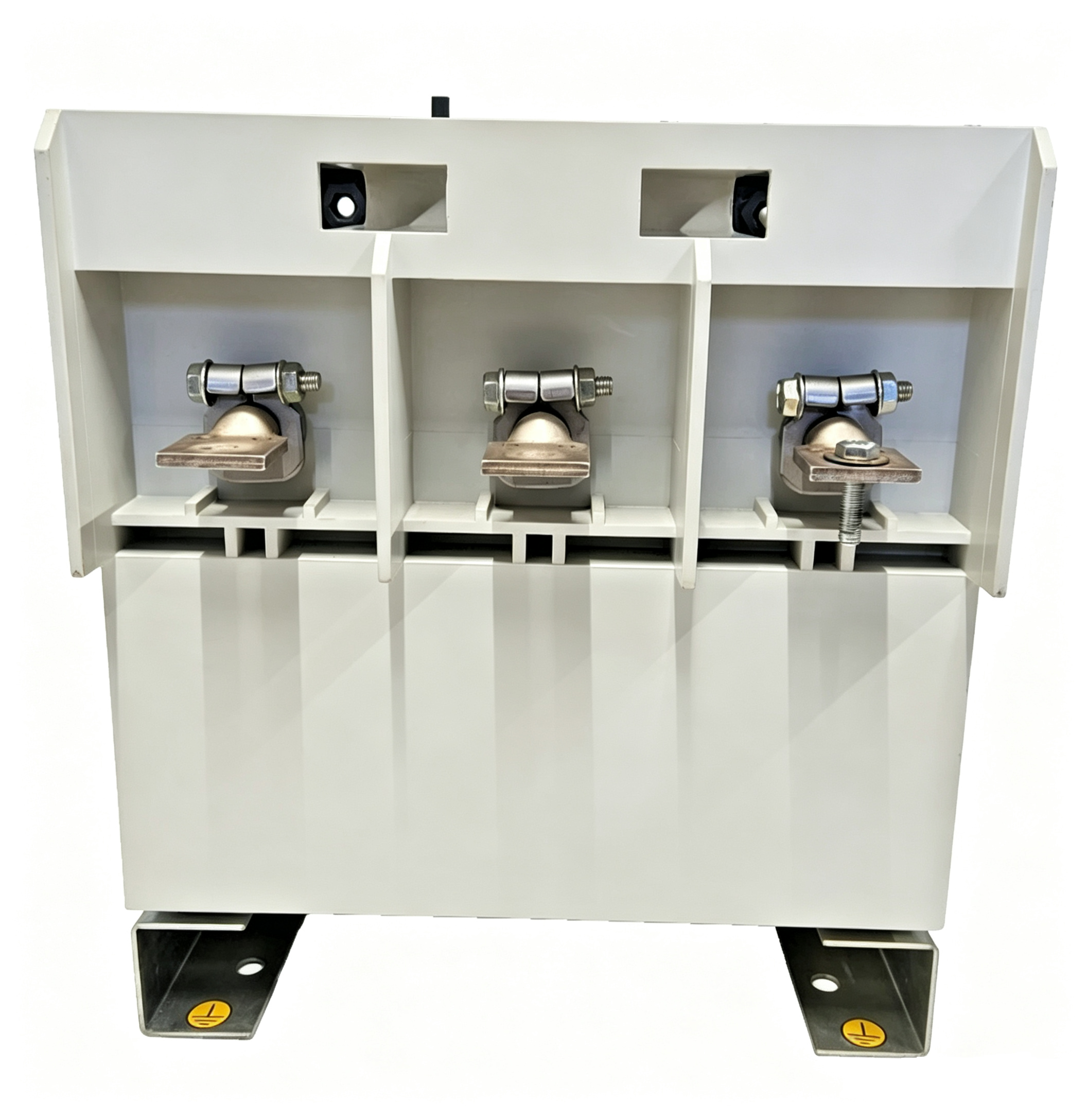
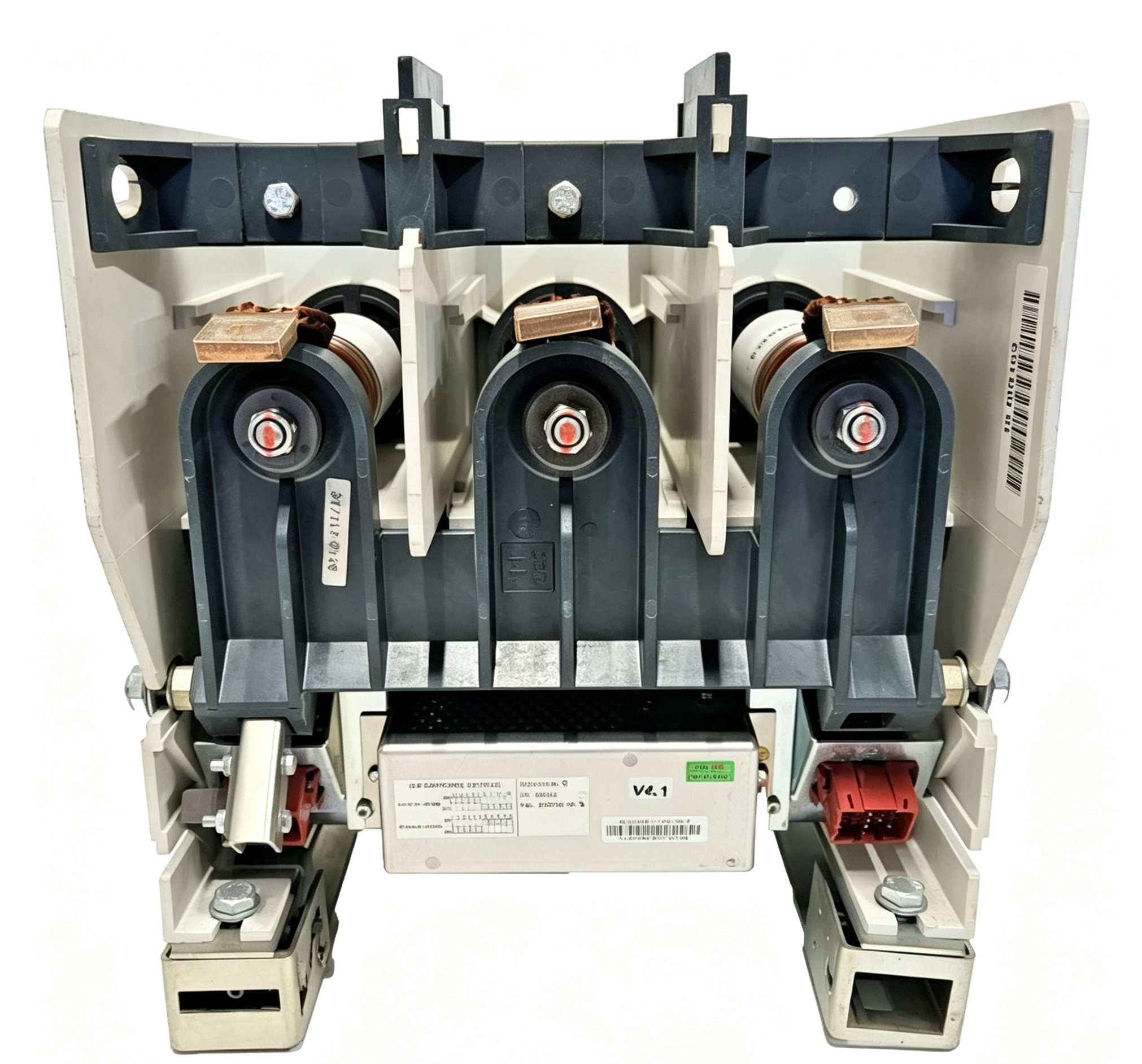
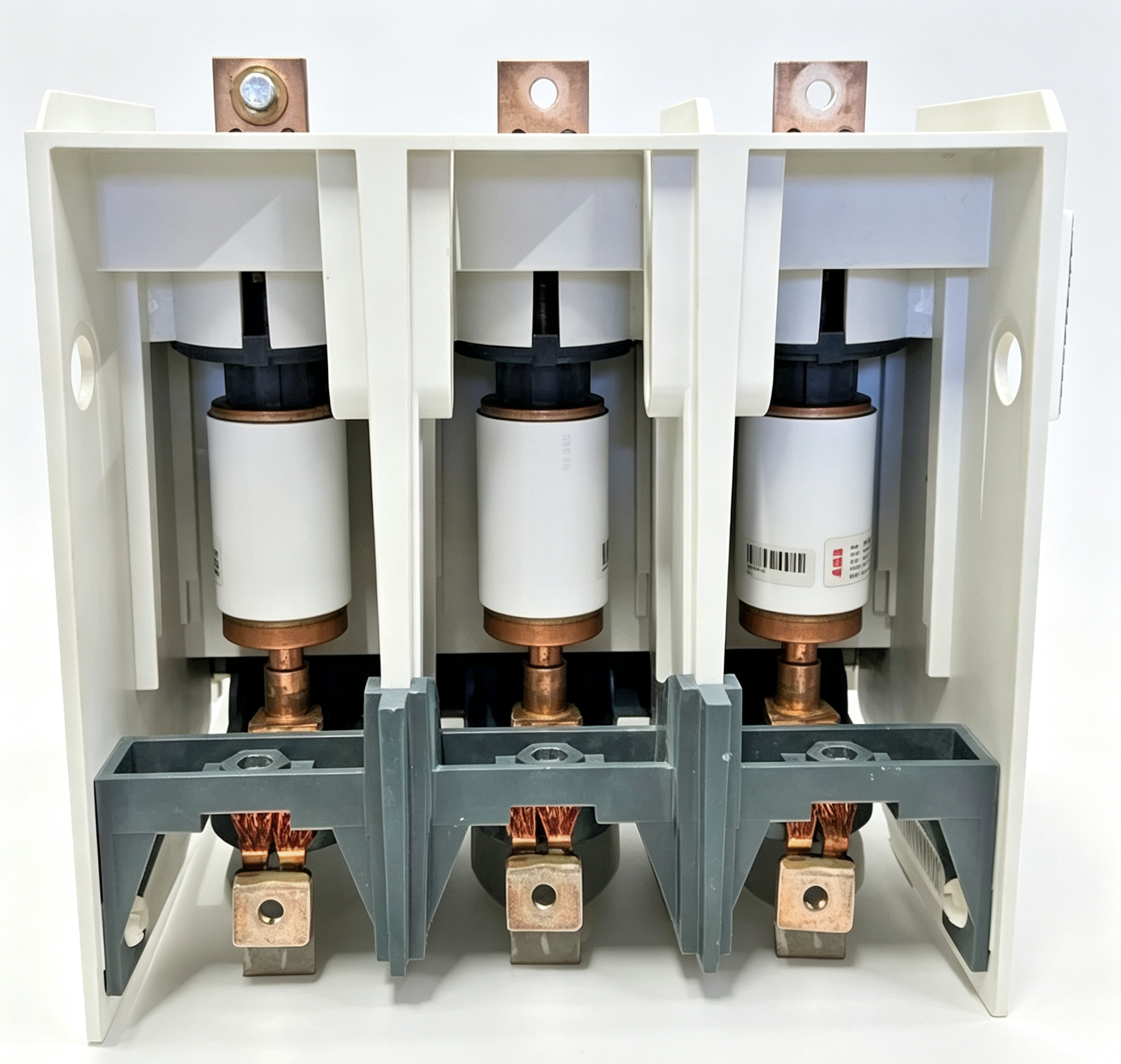
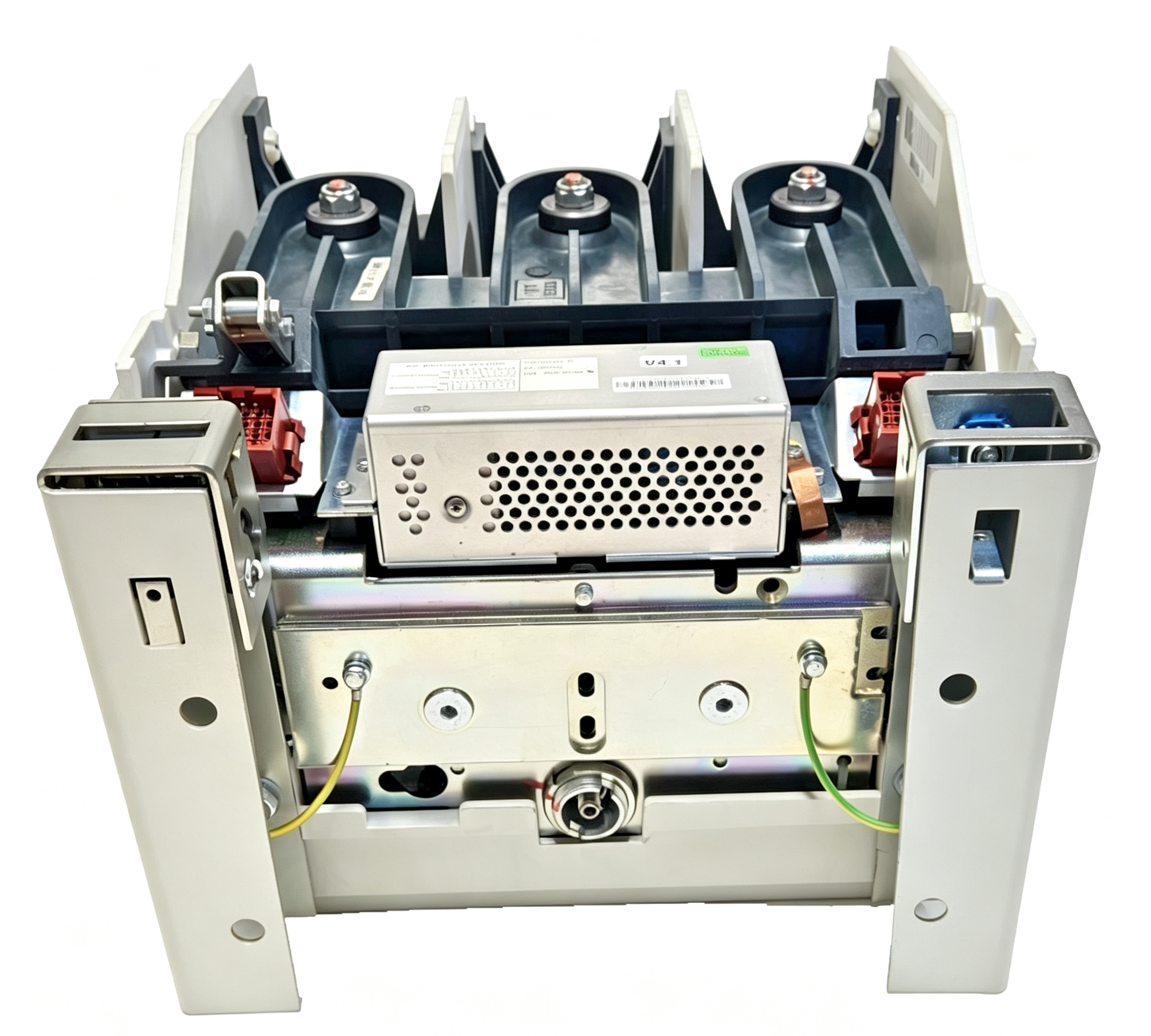
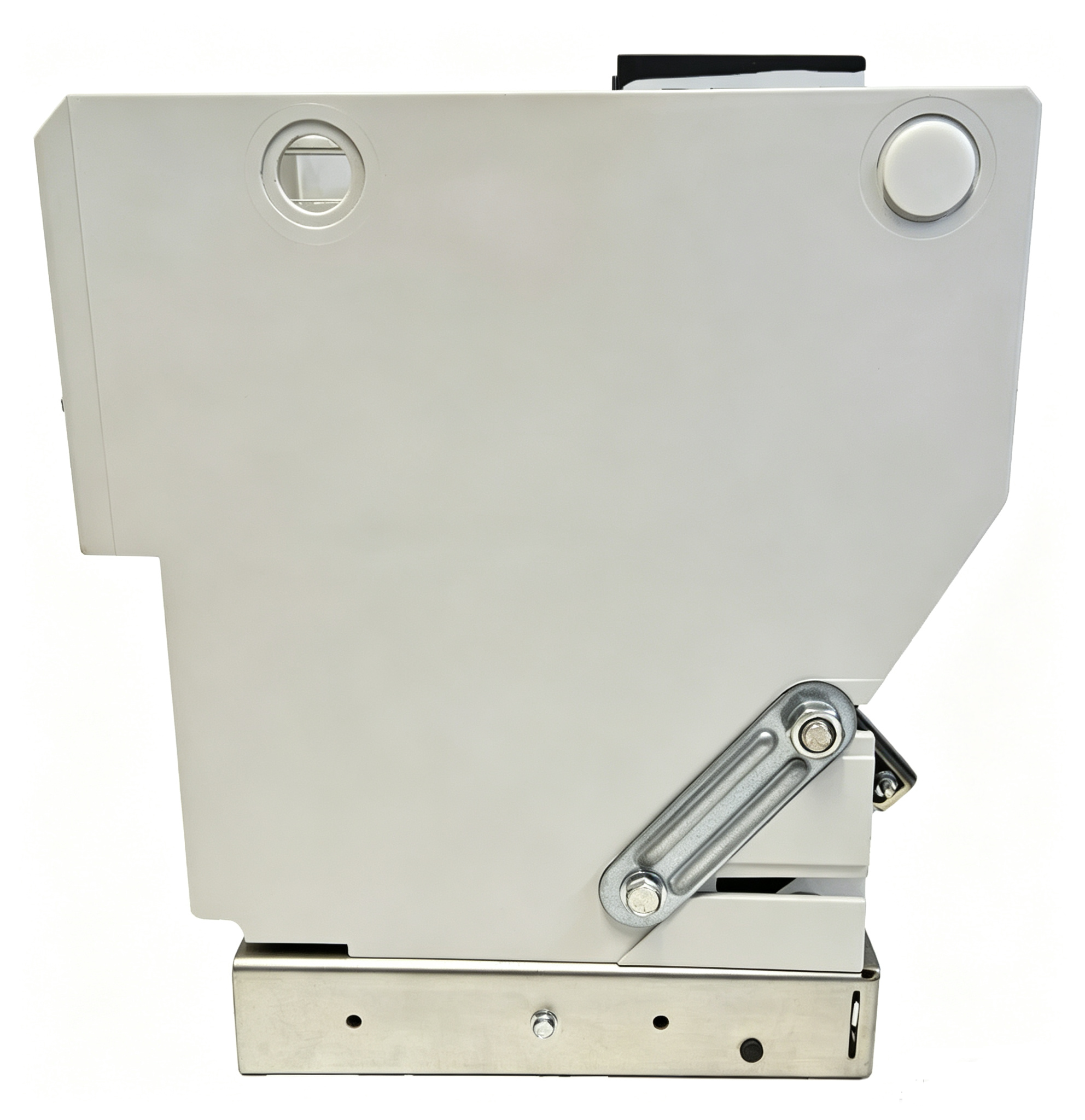
ABB Contactor V7/Z Industrial Contact Contactor for Electrical Control Systems
The V7/Z designation should be retained as part of the product identification when recording the component. Exact electrical characteristics depend on the complete product configuration and should be confirmed from the equipment nameplate and applicable technical documentation.
Product Identification
- Manufacturer: ABB
- Product Designation: V7/Z
- Component Type: Electrical Contactor
- Product Category: Industrial Switching Device
- Primary Function: Power Circuit Switching
- Control Function: Electrically Operated Switching
- Application Area: Industrial Electrical Control
- Associated Systems: Motor Control and Power Control Systems
ABB Contactor V7/Z Overview
The ABB Contactor V7/Z is used as a switching component within an electrical control system. Its primary role is to allow a relatively low-power control circuit to operate a higher-power electrical circuit through an electrically operated switching mechanism.
When the contactor coil receives the appropriate control signal, the internal switching mechanism changes state. The main contacts then establish or interrupt the associated power circuit.
This arrangement allows electrical loads to be controlled remotely and provides an interface between control equipment and power circuits.
Contactor Operating Principle
An industrial contactor normally consists of an electromagnetic operating mechanism, main contacts, auxiliary contacts and associated insulating and mechanical components.
When the control voltage is applied to the coil, an electromagnetic field moves the contact mechanism. The main contacts change position and connect or disconnect the controlled circuit.
When the coil is de-energized, the mechanism returns to its normal position, causing the main contacts to change state.
The exact operating characteristics of ABB V7/Z depend on its specific configuration.
Power Circuit Switching
The main contacts of a contactor are designed to switch the electrical load connected to the power circuit. Depending on the application, the controlled circuit can supply motors, heaters, lighting equipment, transformers or other industrial loads.
The contactor must be selected according to the voltage, current, load type and switching frequency of the application.
For this reason, the V7/Z designation should be checked against the complete technical identification before determining its suitability for a specific load.
Control Circuit
The contactor coil forms the interface between the control circuit and the switching mechanism. A control system supplies the appropriate coil voltage to command the contactor.
The control signal can originate from a pushbutton station, relay, programmable logic controller, motor-control circuit or other automation equipment.
The exact coil voltage for an ABB V7/Z unit should be verified from its nameplate because contactors can be manufactured with different coil-voltage configurations.
Main Contacts
The main contacts carry the current associated with the controlled power circuit. Their electrical rating must correspond to the application.
For motor applications, contactor selection also depends on the motor power, operating voltage, starting conditions and applicable utilization category.
The number and arrangement of main contacts should be verified from the specific V7/Z product configuration.
Auxiliary Contacts
Auxiliary contacts provide electrical status information and can be used within control and interlocking circuits. They can indicate whether the contactor is energized or de-energized and can participate in control logic.
Auxiliary contacts may also be used for electrical interlocking between multiple contactors or for providing a feedback signal to a control system.
The auxiliary contact arrangement of a particular ABB V7/Z unit should be confirmed from its nameplate or product documentation.
Industrial Motor Control
Contactors are commonly used in industrial motor-control systems. A contactor can connect a motor to its electrical supply when a start command is received and disconnect it when a stop command is issued.
In a conventional motor starter, the contactor can operate together with overload protection and control devices. The contactor performs the switching function while the protection system monitors the motor circuit.
The suitability of ABB V7/Z for a particular motor application depends on the complete electrical ratings of the unit.
Industrial Automation Applications
Contactors are also used in industrial automation systems where electrical loads need to be switched according to programmed control logic.
A programmable logic controller can provide the control signal to the contactor coil, allowing the contactor to operate a higher-power circuit without directly switching the load through the controller’s output circuit.
This architecture is useful in automated production equipment, control cabinets and industrial electrical systems.
Electrical Switching Function
The contactor provides galvanic switching between the control command and the main power circuit. The electromagnetic mechanism allows the control system to operate the main contacts without requiring the control circuit itself to carry the load current.
This separation between control and power circuits is one of the fundamental functions of an industrial contactor.
Proper electrical isolation, wiring and protection must be maintained according to the application and applicable electrical standards.
Technical Specification Summary
| Parameter | ABB Contactor V7/Z |
|---|---|
| Manufacturer | ABB |
| Designation | V7/Z |
| Component Type | Industrial Contactor |
| Primary Function | Power Circuit Switching |
| Operating Principle | Electromagnetic Switching |
| Control Circuit | Contactor Coil |
| Power Circuit | Main Contacts |
| Additional Circuit | Auxiliary Contacts, Depending on Configuration |
| Application | Industrial Electrical Control |
| Typical Systems | Motor Control, Automation and Power Switching |
Contactor and Overload Protection
In motor-control applications, a contactor is generally used together with a suitable overload protection device. The contactor provides the switching function, while the overload device provides protection against sustained excessive motor current.
The two components perform different functions and should not be treated as substitutes for each other.
The complete motor starter configuration must be selected according to the motor rating and electrical system requirements.
Contactor in Control Cabinets
ABB contactors can be integrated into industrial control cabinets where electrical loads require remote switching. The cabinet arrangement can include circuit protection, contactors, overload relays, control relays, terminal blocks and automation controllers.
The V7/Z contactor should be installed with adequate spacing, conductor sizing and protection according to the electrical design of the cabinet.
The installation arrangement depends on the contactor’s physical dimensions and the electrical requirements of the application.
Switching Frequency
The switching frequency of a contactor is an important consideration when selecting a device for industrial operation. Frequent switching produces mechanical movement and electrical contact wear over time.
The allowable switching frequency depends on the contactor design and utilization category.
For a specific ABB V7/Z application, the relevant technical documentation should be consulted to determine the applicable switching characteristics.
Electrical Load Considerations
The electrical load determines the required contactor characteristics. Resistive loads, motors and other inductive loads can impose different electrical stresses on the contacts.
Motor applications can have substantially higher current during starting than during steady-state operation. The contactor therefore needs to be selected according to the applicable motor-control requirements rather than only the normal running current.
The exact rating of the V7/Z unit should be confirmed from its identification plate.
Mechanical Construction
A contactor includes a mechanical contact assembly driven by an electromagnetic actuator. Springs and mechanical components control the movement and return of the contacts.
The construction is designed to provide repeatable switching between the energized and de-energized states.
Mechanical wear can eventually affect contact movement and electrical performance, making inspection relevant in applications with frequent switching cycles.
Maintenance Considerations
Maintenance of an ABB V7/Z contactor can include inspection of the main contacts, auxiliary contacts, coil connections, terminals and mechanical operating mechanism.
Signs of contact wear, overheating, loose connections or abnormal mechanical operation should be evaluated according to the applicable maintenance procedure.
The contactor should be electrically isolated before inspection or maintenance.
Main Contact Inspection
The main contacts are exposed to electrical stress during switching. Repeated switching of inductive loads can cause contact erosion or surface changes.
Inspection should consider the physical condition of the contact surfaces and the mechanical movement of the contact assembly.
Any maintenance or replacement procedure should follow the applicable electrical safety requirements.
Coil Inspection
The operating coil is responsible for generating the electromagnetic force required to move the contact mechanism. Incorrect coil voltage can prevent proper operation or cause abnormal heating.
When troubleshooting a contactor, the control voltage should therefore be checked against the voltage specified on the particular unit’s nameplate.
The coil terminals and control wiring should also be inspected for loose connections or damage.
Application in Electrical Control Systems
The ABB V7/Z contactor can be considered within the broader architecture of industrial electrical control systems. A control device provides the command, the contactor switches the power circuit and protective equipment manages the electrical load.
This arrangement allows relatively low-power control equipment to operate larger electrical loads through an appropriate switching interface.
Compatibility Considerations
When identifying or replacing an ABB Contactor V7/Z, the following information should be checked:
- Complete product designation
- Coil voltage
- Rated operational voltage
- Rated operational current
- Number of main contacts
- Auxiliary contact arrangement
- Load type
- Motor power, where applicable
- Utilization category
- Switching frequency
- Physical mounting dimensions
- Terminal arrangement
The V7/Z designation alone may not provide every electrical parameter required for replacement. The complete nameplate information should therefore be used for final compatibility verification.
Product Identification for Inventory
For industrial inventory records, the recommended product description is ABB Contactor V7/Z.
Additional identification information should include the coil voltage, contact arrangement, rated current and other markings shown on the product nameplate.
Recording the complete identification helps distinguish the contactor from other ABB contactor configurations with similar physical construction.
Electrical System Integration
The contactor is normally installed within a coordinated electrical circuit containing upstream protection, control wiring and the connected load.
Correct conductor sizing, circuit protection and control-voltage selection are important for reliable operation. The contactor should not be selected independently of the electrical system in which it will operate.
Technical Identification
ABB Contactor V7/Z should be identified by its complete designation rather than by the generic term “ABB contactor.” This distinction is important because ABB has produced contactors with different electrical ratings, coil voltages, contact configurations and mechanical dimensions.
Where a product nameplate contains additional information, that information should be retained with V7/Z in technical records.
Product Identification Summary
ABB Contactor V7/Z is an industrial electrical switching component used for controlling power circuits. Its electromagnetic operating mechanism allows a control signal to switch the associated main contacts.
The component can form part of motor starters, industrial automation equipment, electrical control cabinets and other power-switching systems.
The exact electrical characteristics of a specific V7/Z unit should be established from the complete product marking and applicable documentation.
Conclusion
ABB Contactor V7/Z is an industrial contactor designation associated with electrical power switching and control applications. It provides an electrically operated interface between a control circuit and a higher-power load circuit.
For technical inventory purposes, the recommended product name is ABB Contactor V7/Z. When selecting the component for a particular application, the coil voltage, contact arrangement, rated current, load type, utilization category and physical configuration should be verified from the complete product identification.

评价
目前还没有评价