
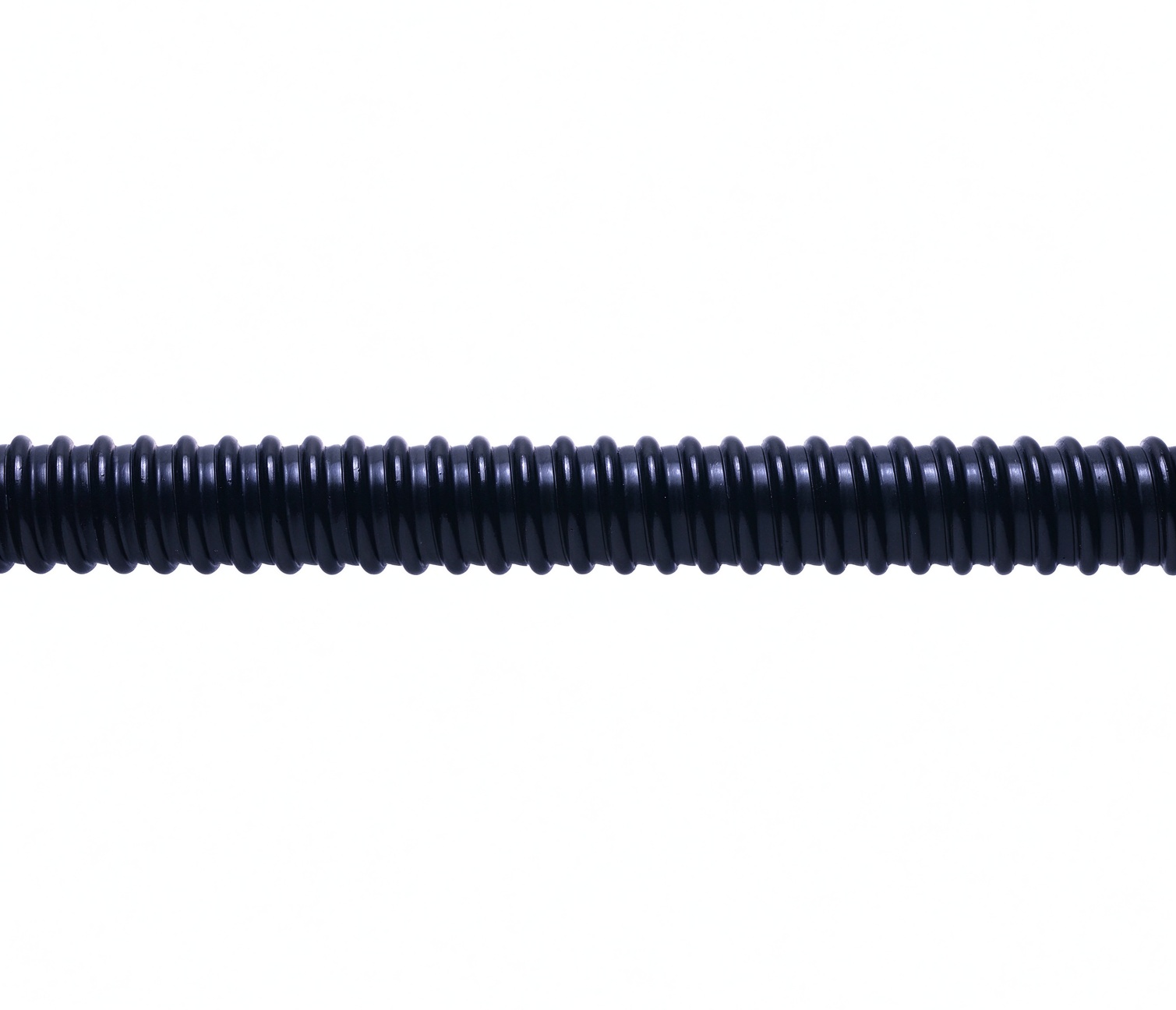
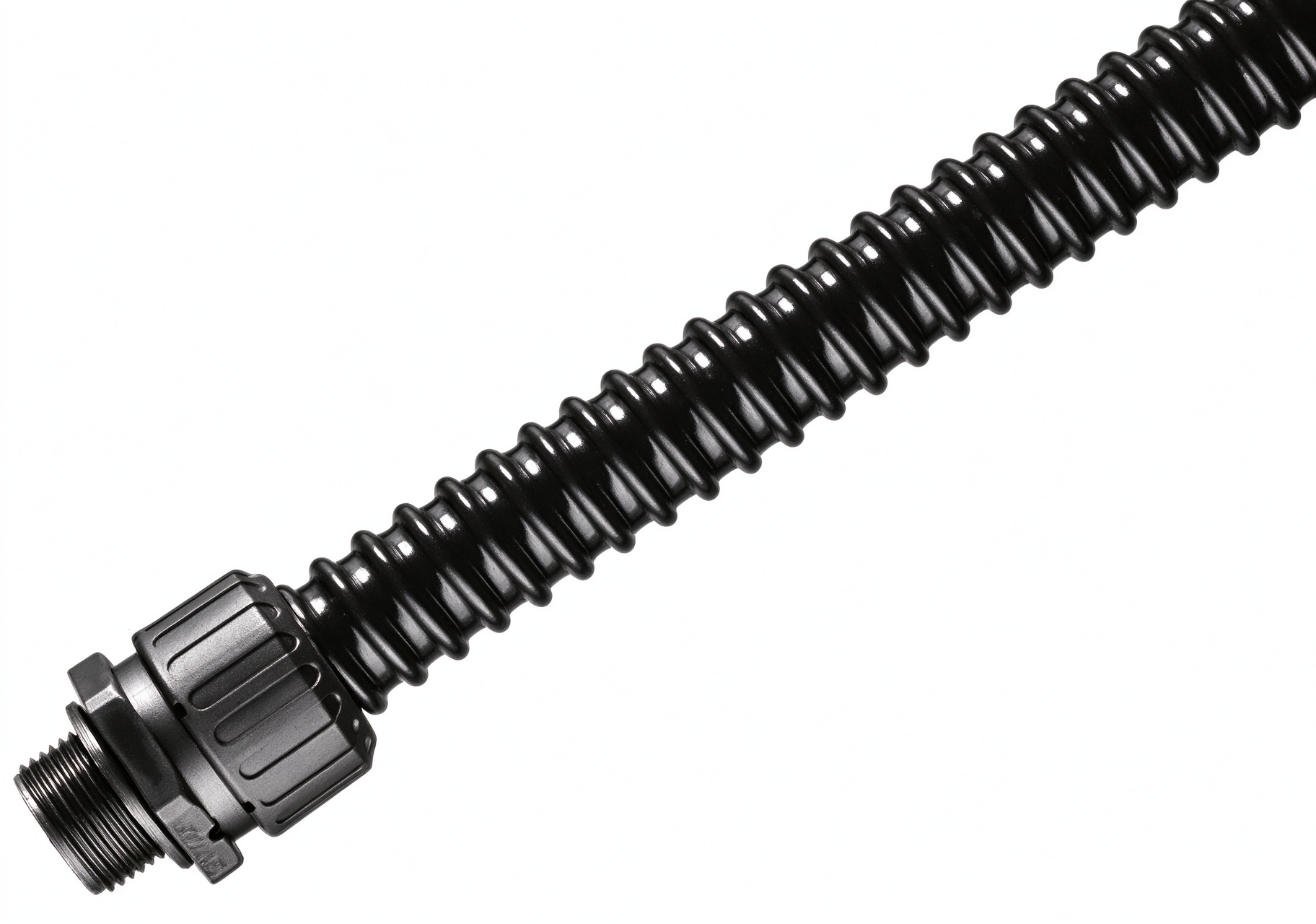
ABB 7TCA296060R0140 XF40/30M PVC Coated Flexible Conduit
The ABB 7TCA296060R0140 is an XF40/30M flexible electrical conduit designed to protect and route cables in compatible electrical installations. It features a PVCu spiral construction with a plasticised PVC outer covering. The conduit has a nominal size of 40 mm and is supplied in a 30 metre reel, providing a flexible routing solution for electrical wiring and cable management applications.
Flexible conduit is commonly used where cable routes include changes in direction, equipment connections, or locations where a rigid conduit arrangement is difficult to install. The flexible structure helps accommodate practical routing requirements while providing a protective enclosure around the cables. The ABB XF40/30M is intended for applications that require a standard-weight conduit suitable for indoor and outdoor environments, subject to the conditions specified for the product.
Product Overview
The ABB 7TCA296060R0140 belongs to ABB’s cable protection product range. Its catalog designation is XF40/30M, and its description identifies it as a 40 mm PVCu-PVC coated conduit supplied in a 30 metre length. The construction combines a PVCu spiral with a plasticised PVC covering to form a flexible protective pathway for electrical cables.
Unlike rigid conduit, a flexible conduit can follow a curved route without requiring every change in direction to be formed using separate rigid fittings. This can simplify cable routing around machinery, within electrical enclosures, and between fixed wiring infrastructure and connected equipment. The exact installation method depends on the system layout, cable requirements, and applicable electrical standards.
The conduit is identified as a standard-weight type and is listed for indoor and outdoor applications, including installations involving torsional movement. These application descriptions should be interpreted in the context of the actual equipment environment. Suitability for a particular installation depends on the mechanical movement, environmental exposure, required protection level, and relevant installation regulations.
Key Technical Specifications
The following characteristics are associated with ABB product number 7TCA296060R0140:
- Manufacturer: ABB
- Product ID: 7TCA296060R0140
- Catalog designation: XF40/30M
- Product category: Flexible electrical conduit
- Nominal conduit size: 40 mm
- Outside diameter: Approximately 44.0 mm
- Inside diameter: Approximately 38.0 mm
- Static bend radius: 80 mm
- Reel length: 30 metres
- Construction: PVCu spiral with plasticised PVC covering
- Colour: Black
- Product type: Standard-weight conduit
- Application environment: Indoor and outdoor installations, subject to product limitations
These specifications help identify the conduit and assess whether its dimensions suit a planned cable route. The nominal conduit size should not be confused with the actual outside or inside diameter. For installation planning, the available internal space and the outside dimensions are both important.
PVCu Spiral and Plasticised PVC Covering
The XF40/30M conduit uses a PVCu spiral structure combined with a plasticised PVC outer covering. The spiral construction allows the conduit to bend along a cable route while retaining a defined protective pathway. The outer covering forms the external surface of the conduit and contributes to its physical construction.
Polyvinyl chloride materials are widely used in electrical installation products because their properties can be adapted to different structural and environmental requirements. PVCu refers to unplasticised polyvinyl chloride, while plasticised PVC incorporates additives that increase flexibility. In this product, the two materials serve different roles within the conduit construction.
The suitability of a conduit is not determined by material names alone. Installation conditions, exposure to chemicals, ultraviolet radiation, moisture, abrasion, and temperature can influence the service life of polymer-based components. The applicable product documentation should be consulted whenever the installation involves unusual environmental conditions or specific compliance requirements.
For industrial applications, the conduit should be selected as part of a complete cable protection arrangement. Cable type, connector compatibility, mechanical loading, and the expected movement of connected equipment must all be considered. The conduit should not be assumed to provide a particular ingress protection rating or chemical resistance unless this is explicitly established by the relevant technical documentation.
Dimensions and Bend Radius
The ABB 7TCA296060R0140 has a nominal conduit size of 40 mm, an outside diameter of approximately 44.0 mm, and an inside diameter of approximately 38.0 mm. These dimensions provide useful reference points when planning a route through an enclosure, around machinery, or between electrical components.
The inside diameter is particularly important when determining whether the intended cable bundle can pass through the conduit. The available space must accommodate the cables without excessive compression or crowding. Cable fill, conductor dimensions, pulling tension, and the number of bends should be considered during installation. Applicable electrical codes may impose additional limits on conduit fill and cable routing.
The listed static bend radius is 80 mm. This value is relevant when planning fixed bends in the installed conduit. It should not automatically be treated as a dynamic bend radius for continuous movement. Where a conduit is subjected to repeated flexing, twisting, or machinery motion, the movement characteristics and limits specified by the manufacturer must be considered separately.
Maintaining appropriate bend geometry helps reduce unnecessary stress on both the conduit and the cables inside it. Tight bends can make cable installation more difficult and may place excessive mechanical load on conductors or insulation. The final route should provide enough space for the conduit to follow the intended path without kinking or becoming obstructed.
Typical Cable Protection Applications
Flexible electrical conduit is used in a wide range of cable routing applications. Typical examples include electrical control panels, industrial machinery, equipment interconnections, building services, and wiring routes where a flexible protective enclosure is more practical than a rigid conduit.
In industrial automation installations, cables may connect sensors, actuators, motors, control cabinets, and auxiliary equipment. A suitable conduit can help organize these cable routes and provide a physical barrier against certain forms of contact or mechanical disturbance. The level of protection achieved depends on the conduit design, the connectors used, and the conditions of the installation.
The ABB XF40/30M is listed for indoor and outdoor applications and for torsional equipment. This makes the product designation relevant when evaluating cable routing arrangements that require flexibility. However, a torsional application must be assessed carefully: the amount of twisting, movement frequency, installation length, and cable characteristics may affect suitability.
For outdoor installations, the actual environmental exposure should be reviewed. Factors such as direct sunlight, rain, temperature variation, standing water, and contact with industrial substances may affect material performance. Where the installation requires a defined environmental rating or certification, the requirement should be checked against the official product documentation before the conduit is specified.
Installation and Routing Considerations
Before installation, verify the conduit size and confirm that the internal diameter is appropriate for the intended cable bundle. The selected fittings and connectors must be compatible with the conduit dimensions and the equipment enclosure. Correct connections help maintain a secure cable route and reduce the possibility of the conduit becoming detached during service.
Plan the route to avoid sharp edges, excessive bending, crushing, and unnecessary mechanical tension. The conduit should be supported in accordance with the installation design, particularly where long runs or heavy cable bundles are involved. The routing arrangement should also allow access for inspection and maintenance where required.
When cables are drawn through the conduit, avoid applying excessive pulling force or creating tight bends that could damage the cable insulation. Cable pulling methods should be appropriate for the cable construction and the route length. If the installation includes repeated movement or torsion, confirm that both the conduit and the enclosed cables are suitable for the expected mechanical duty.
All installation work should comply with applicable electrical regulations and the equipment manufacturer’s instructions. The conduit is one part of a complete wiring system and does not replace correct cable selection, circuit protection, grounding, or any other protective measures required by the installation design.
Selection and Replacement Guidelines
When selecting a replacement conduit, begin by checking the complete ABB order number, 7TCA296060R0140, and the XF40/30M designation. Confirm the nominal size, actual dimensions, reel length, material construction, and required application conditions. These details help distinguish the product from other conduit sizes and material variants.
A conduit with a similar nominal size may have a different inside diameter, outside diameter, bend radius, or mechanical construction. Such differences can affect connector compatibility, cable capacity, and installation geometry. Replacement selection should therefore be based on the actual system requirements rather than the nominal size alone.
Where a conduit is used near moving machinery, verify the expected movement and any torsional requirements. A product suitable for a static cable route may not be appropriate for continuous movement. Similarly, outdoor or chemically exposed installations may require additional material or environmental specifications that must be confirmed separately.
Product Identification Summary
ABB 7TCA296060R0140, catalog designation XF40/30M, is a 40 mm nominal flexible electrical conduit featuring a PVCu spiral and plasticised PVC covering. It has a listed outside diameter of approximately 44.0 mm, an inside diameter of approximately 38.0 mm, an 80 mm static bend radius, and a 30 metre reel length. The conduit is black and is intended for compatible cable protection applications.
For accurate selection, verify the dimensions, cable requirements, bend geometry, environmental conditions, and movement characteristics of the installation. Use the relevant ABB documentation to confirm application limits and connector compatibility. Correct conduit selection supports organized cable routing and helps protect electrical wiring within industrial and building installations.

评价
目前还没有评价