
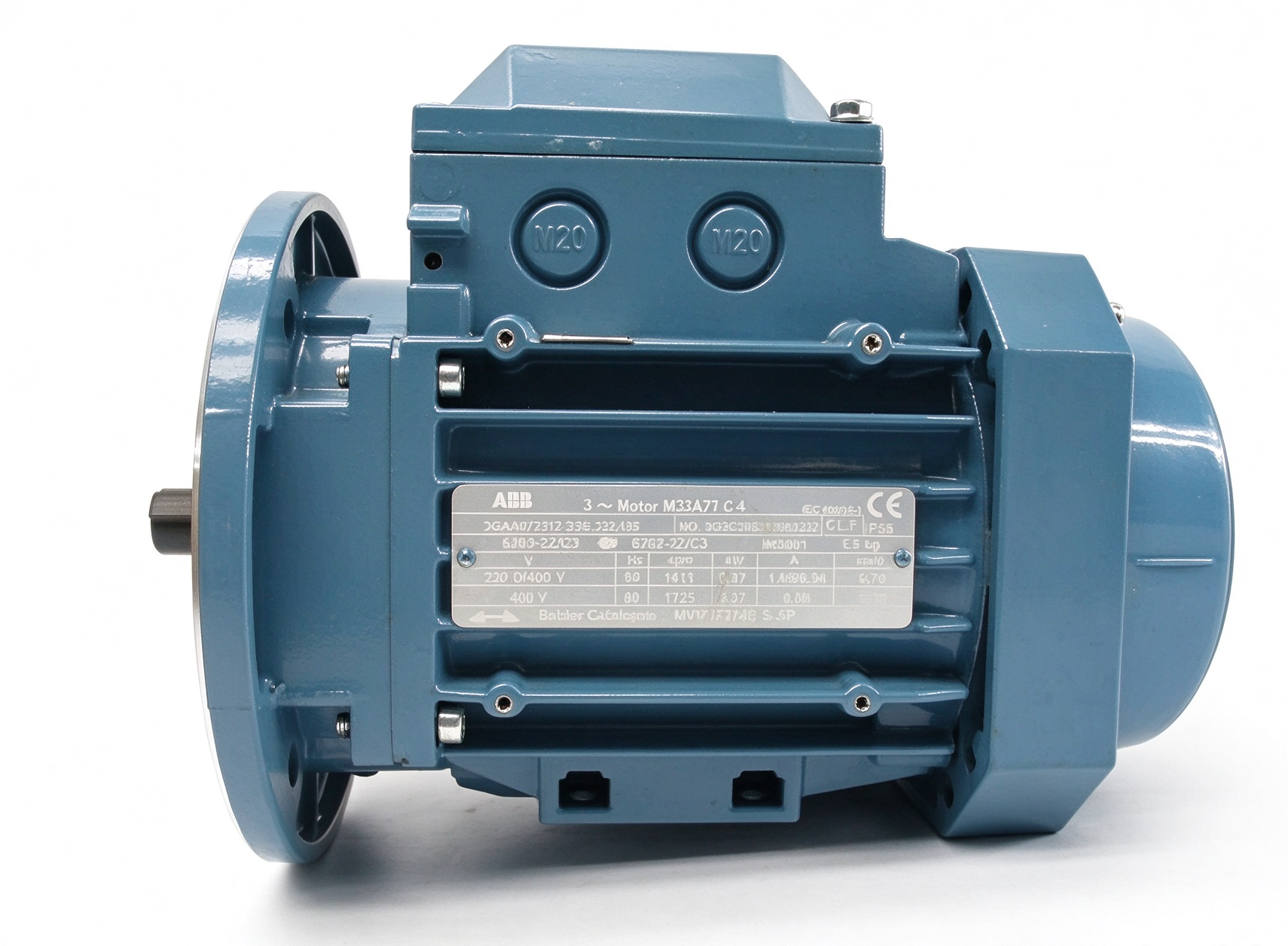
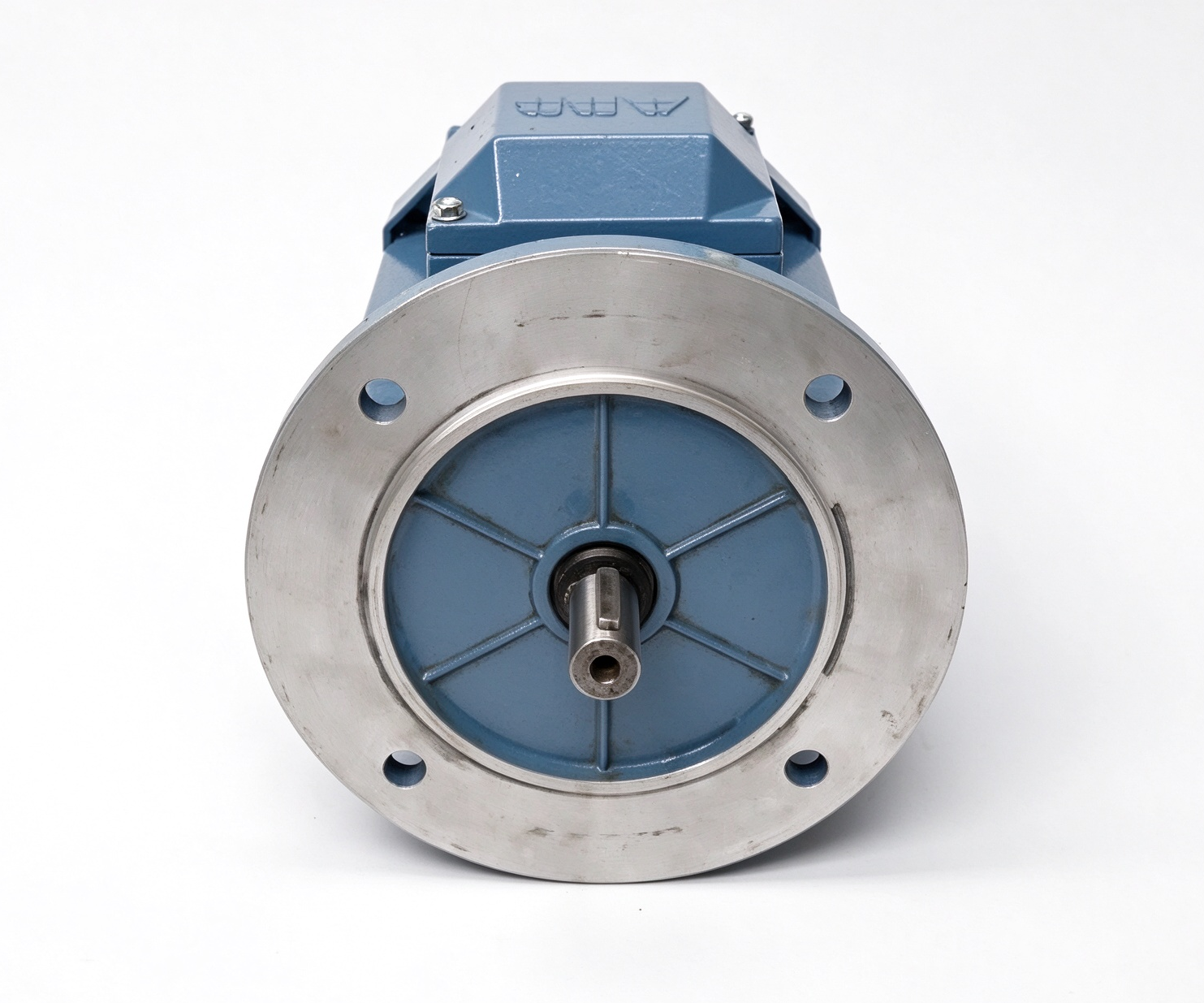
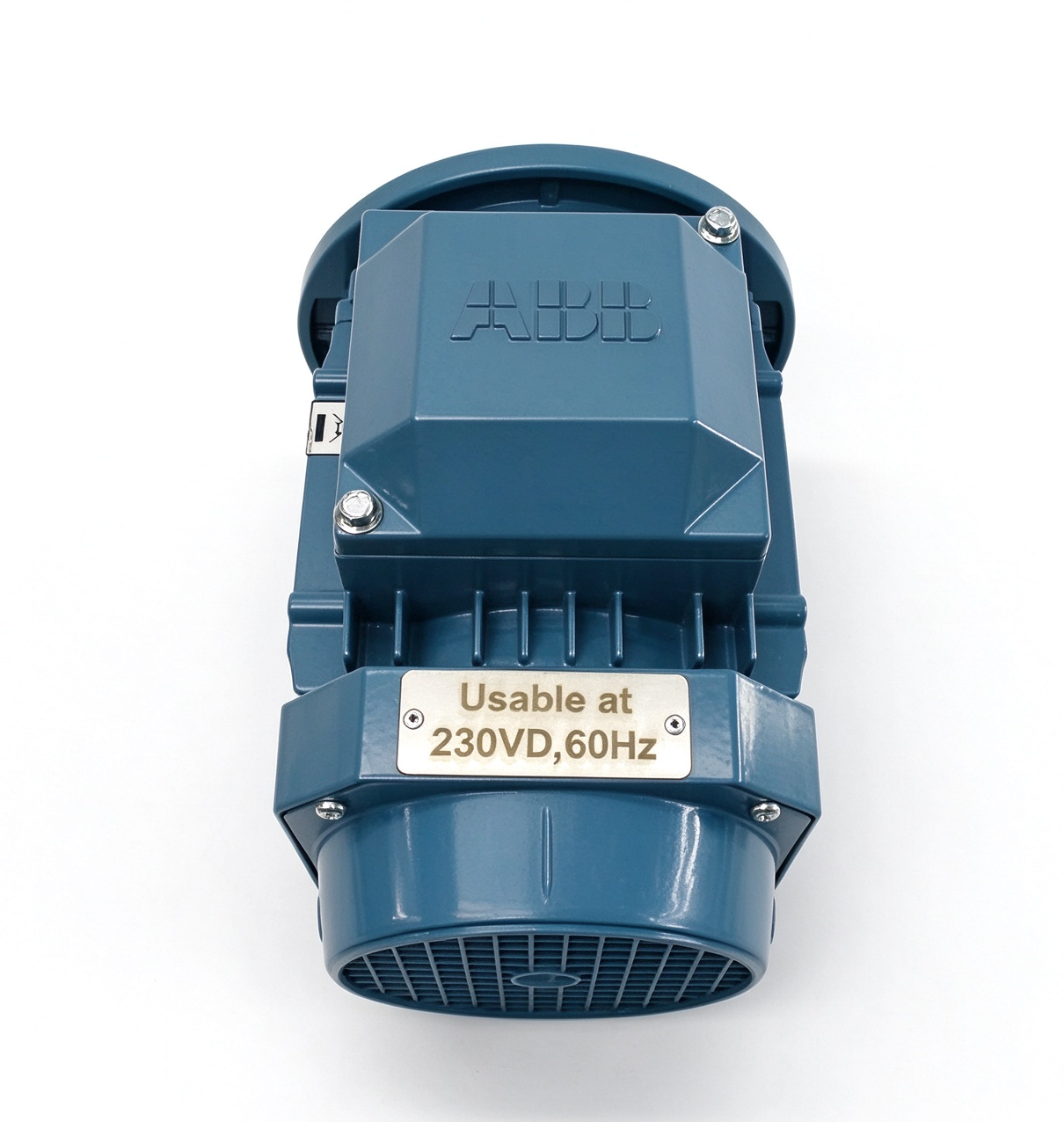
ABB 3GAA112022-BDCE2 Low Voltage Industrial Electric Motor
The ABB 3GAA112022-BDCE2 is a motor-related product reference
for industrial equipment identification and technical selection.
When evaluating this model for an existing installation, it is
important to confirm the complete order code and the information
provided on the motor nameplate. Electrical ratings, mechanical
dimensions, mounting arrangements, and operating requirements
must be established from the applicable manufacturer documentation
before the motor is specified for a particular application.
Product Overview
Industrial electric motors convert electrical energy into mechanical
motion and form an essential part of equipment used in manufacturing,
material handling, processing, and other industrial operations.
Their performance depends on the motor design, the electrical supply,
the connected load, and the operating conditions of the installation.
Selecting a suitable motor therefore requires an accurate understanding
of both the equipment requirements and the motor’s technical characteristics.
The ABB 3GAA112022-BDCE2 designation should be treated as a specific
product identification reference rather than a complete technical
specification. The full order code may contain information relating
to the motor family and its configuration. However, individual
characteristics should not be inferred solely from the appearance
of the model number. The original nameplate and applicable ABB
documentation remain the primary references for confirming the
product’s rated performance and construction.
During equipment maintenance or replacement planning, accurate
identification helps distinguish between motors that may look
similar but have different electrical ratings, shaft dimensions,
mounting interfaces, or operating characteristics. Recording the
complete model designation also provides a consistent reference
for communication between maintenance engineers, equipment
manufacturers, and purchasing personnel.
Industrial Electric Motor Operating Principles
An electric motor operates through the interaction of electrical
and magnetic fields to produce rotational movement. In an industrial
installation, the motor is normally connected to a mechanical load
through a shaft, coupling, belt, gearbox, or another suitable
transmission arrangement. The selection of the motor and its
associated equipment must reflect the torque, speed, duty cycle,
and environmental requirements of the application.
The actual operating principle and performance characteristics of
a specific motor must be confirmed from its manufacturer documentation.
Important parameters may include rated output, supply voltage,
frequency, rated current, rotational speed, efficiency, power factor,
insulation characteristics, and thermal protection arrangements.
These values vary according to motor design and configuration and
should not be assigned to the ABB 3GAA112022-BDCE2 without verification.
A properly selected motor should provide the mechanical output
required by the driven equipment while operating within its specified
electrical and thermal limits. Oversizing, undersizing, or using
a motor with incompatible starting characteristics can affect
system efficiency, equipment behavior, and service life.
Applications in Industrial Equipment
Industrial motors are commonly used in pumps, fans, conveyors,
mixing equipment, production machinery, and auxiliary systems.
The requirements of these applications differ considerably.
A pump may require attention to starting torque and load variation,
while a fan application may emphasize operating speed, airflow,
and energy consumption. Conveyor systems may require the motor
to accommodate changes in material loading and starting conditions.
The suitability of ABB 3GAA112022-BDCE2 for any particular machine
must be established by matching its verified characteristics
with the application’s requirements. The model designation alone
does not confirm a specific application, duty rating, or compatibility
with a particular machine.
When reviewing a motor installation, engineers should consider
the driven equipment, expected operating hours, ambient conditions,
available electrical supply, and the mechanical arrangement.
Additional factors can include the need for variable-speed operation,
the characteristics of the motor starter, and the protection
provided by the electrical control system.
This application-based assessment helps ensure that the selected
motor is suitable for the intended operating conditions rather
than relying on general assumptions about the product family.
Electrical Characteristics and Supply Compatibility
Electrical compatibility is a fundamental requirement when selecting
or replacing an industrial motor. The rated voltage and frequency
must correspond to the intended power supply and the requirements
of the installed control equipment. Rated current, starting behavior,
and permissible operating conditions should also be considered
when evaluating the motor and its associated electrical protection.
For ABB 3GAA112022-BDCE2, these values should be taken directly
from the motor nameplate and the relevant technical data sheet.
A model reference by itself is not sufficient to establish the
correct supply voltage, rated power, current, or speed.
The motor’s starting method is another important consideration.
Depending on the installation, starting may be managed through
a direct-on-line starter, a soft starter, or a variable frequency
drive. The appropriate method depends on the motor’s documented
characteristics, the driven load, the supply network, and the
control requirements of the equipment.
Where a variable frequency drive is used, the motor and drive
must be evaluated as a compatible combination. Applicable operating
limits, cooling requirements, protection settings, and control
parameters should be confirmed before commissioning. Electrical
installation and configuration must follow the manufacturer’s
instructions and applicable safety requirements.
Mechanical Installation and Mounting
Mechanical compatibility is as important as electrical compatibility
when installing an industrial motor. Relevant considerations
include the mounting arrangement, frame dimensions, shaft diameter,
shaft extension, keyway dimensions, terminal box position, and
available installation space. These characteristics determine
whether the motor can be fitted correctly into the existing machine
or drive assembly.
Before replacing a motor with ABB 3GAA112022-BDCE2, compare the
original unit’s identification and dimensional information with
the proposed component. A similar external appearance does not
guarantee that the mounting points or shaft interface will match.
Differences in mechanical geometry can require changes to the
machine arrangement and may affect alignment or load transmission.
Correct alignment between the motor and the driven equipment
helps reduce unnecessary vibration, bearing stress, and mechanical
wear. Couplings and transmission components should be selected
and installed according to their relevant specifications. The
foundation must also provide appropriate support for the motor
under the intended operating conditions.
Installation procedures should account for the manufacturer’s
requirements concerning fastening, lifting, grounding, cable
entry, and access for maintenance. Qualified personnel should
complete the installation and verify that all relevant safety
measures are in place before the equipment is returned to service.
Maintenance and Condition Monitoring
A structured maintenance program helps support the long-term
operation of industrial motor systems. Maintenance activities
should be based on the motor design, operating environment,
manufacturer recommendations, and the criticality of the driven
equipment. Inspection intervals should not be assigned without
considering the actual application and service conditions.
Routine inspections may include checking for abnormal noise,
excessive vibration, unusual temperature increases, loose
connections, contamination, and visible mechanical damage.
Changes in these conditions can indicate developing problems
in the motor, its bearings, the driven machine, or the associated
electrical system.
Electrical inspections should be performed using appropriate
procedures and equipment by qualified personnel. Before work
begins, hazardous energy sources must be isolated according
to the applicable site procedures. Insulation-related checks,
winding assessments, and other electrical measurements must
follow the manufacturer’s instructions and relevant safety standards.
Mechanical maintenance may involve reviewing alignment, mounting
security, cooling passages, and the condition of connected
transmission components. Bearing maintenance and lubrication
requirements depend on the actual motor construction and must
be confirmed from the applicable documentation.
Recording inspection results and operating observations helps
maintenance teams identify changes over time. This information
can support fault diagnosis, maintenance scheduling, and decisions
about whether further investigation or corrective action is necessary.
Motor Selection and Replacement Considerations
Selecting a replacement for an existing motor requires a systematic
comparison of the original component and the proposed unit.
The complete part number should be checked first, followed by
the nameplate ratings and mechanical details. Rated output,
voltage, frequency, speed, mounting arrangement, shaft dimensions,
and protection requirements should be evaluated against the
needs of the installation.
For ABB 3GAA112022-BDCE2, the applicable manufacturer documentation
should be used to establish the precise product description
and confirm all relevant specifications. If a proposed replacement
uses a different order code, its suitability must be supported
by documented compatibility information rather than visual
similarity or a general description of the product family.
It is also important to consider the control equipment connected
to the motor. The existing starter, overload protection, drive
configuration, and control logic may depend on the original
motor’s electrical characteristics. Any proposed changes should
be reviewed before installation or commissioning.
Maintaining a record of the verified model, electrical ratings,
mechanical interfaces, and applicable technical documents helps
reduce selection errors. It also provides a reliable reference
for future maintenance and equipment lifecycle planning.
Frequently Asked Questions
What is ABB 3GAA112022-BDCE2?
It is an ABB motor-related product reference. The precise official
product name and technical configuration should be confirmed
using the complete nameplate information and applicable ABB
documentation.
How can the motor’s rated power and voltage be confirmed?
Check the motor nameplate and the corresponding manufacturer
data sheet. Do not infer electrical ratings from the model
number alone.
Can this motor replace an existing industrial motor?
Replacement suitability depends on the electrical ratings,
mechanical dimensions, mounting arrangement, operating conditions,
and the requirements of the connected equipment. All relevant
characteristics must be compared before installation.
Can the motor be operated with a variable frequency drive?
Drive compatibility depends on the motor’s design and documented
operating limits. Confirm the applicable manufacturer instructions
and drive requirements before configuring a variable-speed system.
Conclusion
ABB 3GAA112022-BDCE2 should be identified and evaluated using
its complete product designation and the applicable manufacturer
documentation. Understanding the motor’s electrical characteristics,
mechanical configuration, operating environment, and control
requirements is essential when selecting equipment for an industrial
installation.
A careful compatibility review helps support appropriate motor
selection, safe installation, and effective maintenance planning.
By documenting verified product information and evaluating the
requirements of the connected machine, engineers can make more
reliable decisions about industrial motor integration and replacement.

评价
目前还没有评价