
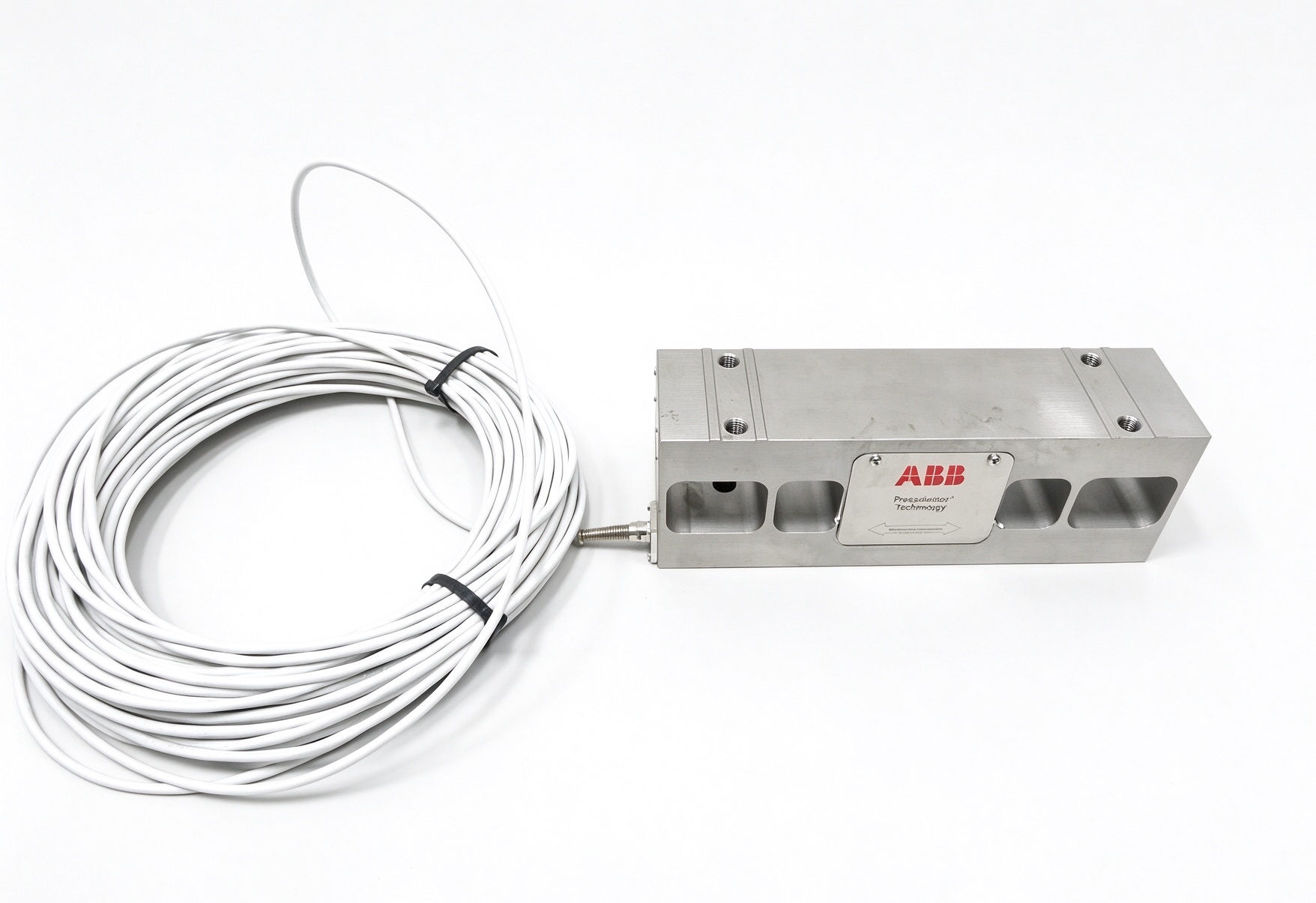
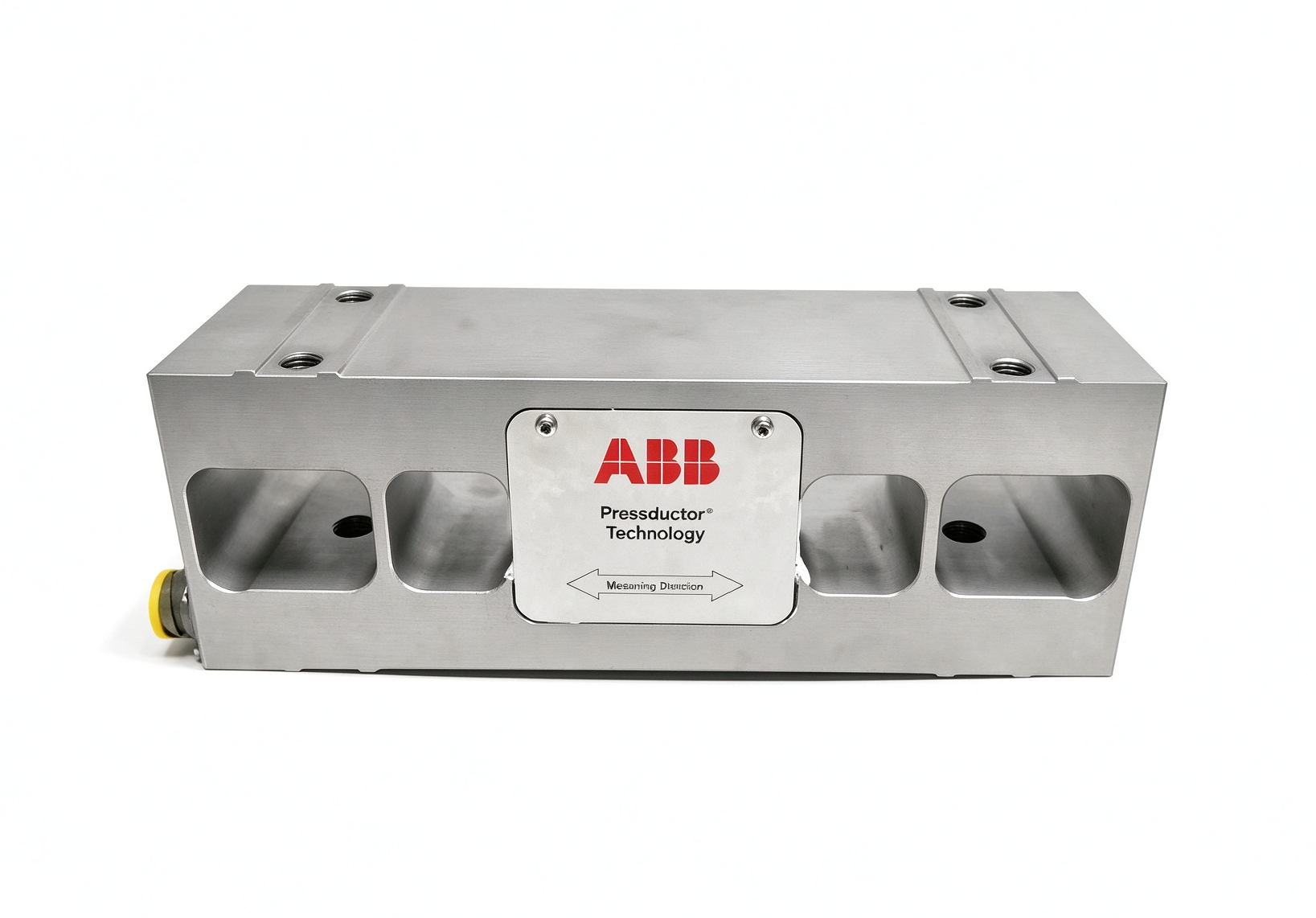
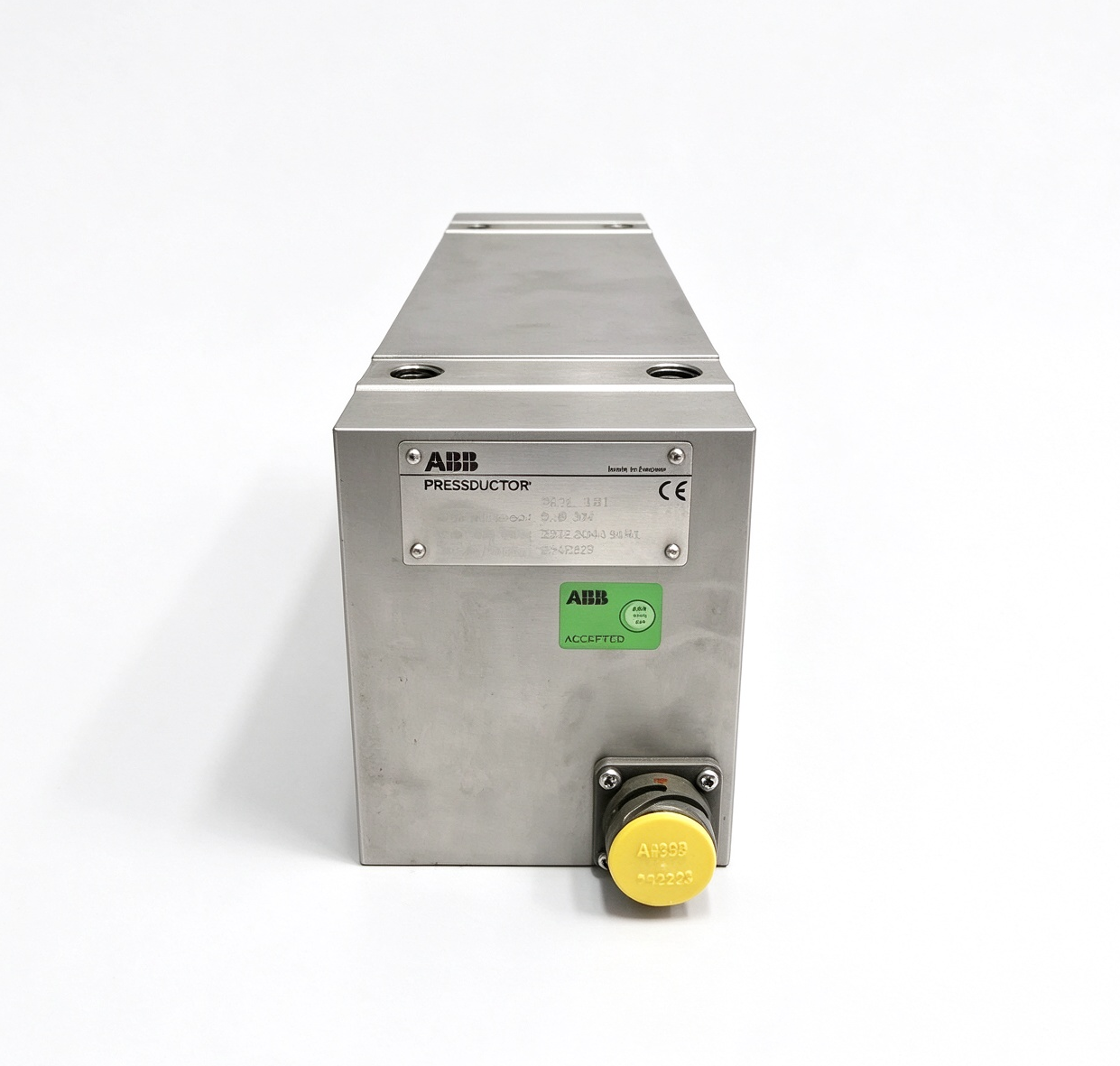
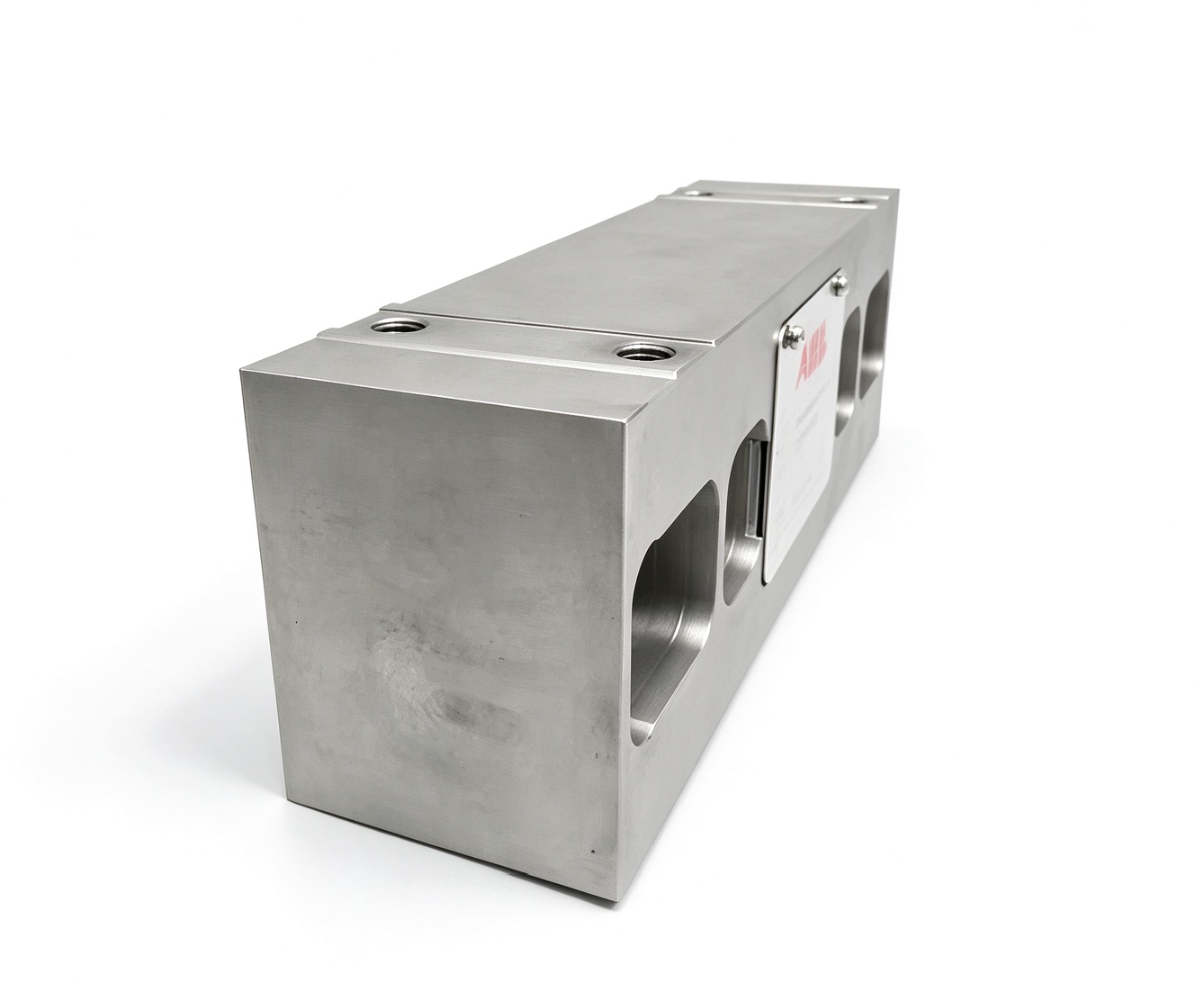
ABB 3BSE004197R1 PFTL 101B 10.0 kN Pressductor PillowBlock Load Cell
ABB 3BSE004197R1 is a PFTL 101B Pressductor PillowBlock load cell designed for horizontal force measurement in industrial production systems. With a nominal measuring capacity of 10.0 kN, the sensor is intended for applications where mechanical force and web tension must be measured accurately and continuously.
Overview of ABB 3BSE004197R1
The ABB 3BSE004197R1 is identified as the PFTL 101B 10.0 kN load cell in the ABB PFTL 101 series. The PFTL 101 family is part of ABB’s Pressductor PillowBlock load cell technology, which is designed for force measurement in roll and web-processing machinery. The PFTL 101B configuration is intended for horizontal measuring applications and is available with different nominal load capacities.
For the 3BSE004197R1 version, the nominal measuring capacity is 10.0 kN. This configuration provides a suitable measurement range for industrial processes in which significant mechanical forces are transferred through machine rolls, bearings, and supporting structures.
ABB documentation lists 3BSE004197R1 together with other PFTL 101B variants, including 2.0 kN, 5.0 kN, and 20.0 kN versions. Correct identification of the load capacity is therefore important when selecting a replacement or configuring a measurement system.
Product Identification
| Parameter | Specification |
|---|---|
| Manufacturer | ABB |
| Ordering Number | 3BSE004197R1 |
| Product Type | PFTL 101B |
| Product Description | Pressductor PillowBlock Load Cell |
| Nominal Measuring Capacity | 10.0 kN |
| Measurement Direction | Horizontal force |
| Product Family | PFTL 101 |
| Technology | Pressductor magneto-elastic force measurement |
Pressductor Measurement Principle
The PFTL 101B uses ABB Pressductor technology for force measurement. The Pressductor principle is based on the change in magnetic properties of a sensing element when mechanical force is applied. This allows the load cell to convert mechanical force into an electrical measurement signal.
Unlike conventional force sensors that depend primarily on visible mechanical deformation of strain-gauge structures, the Pressductor principle is based on magneto-elastic effects within the sensing material. This technology is particularly suitable for industrial machinery where reliable force measurement and resistance to mechanical loading are important design requirements.
The PFTL 101B is installed as part of a PillowBlock-type mechanical arrangement. The force generated by the machine process is transferred through the load cell, allowing the measurement system to monitor the horizontal component of the applied force.
10.0 kN Measuring Capacity
ABB 3BSE004197R1 has a nominal measuring capacity of 10.0 kN. The capacity identifies the intended measuring range of this specific PFTL 101B configuration and distinguishes it from other PFTL 101B versions.
When selecting a PFTL 101 load cell, the nominal capacity must correspond to the mechanical forces present in the installation. Using the correct capacity helps maintain the intended measurement characteristics and allows the connected tension measurement system to operate within its specified range.
The 10.0 kN version is suitable for industrial applications requiring a higher horizontal force measurement capability than the lower-capacity PFTL 101B configurations. The exact mechanical arrangement, roll geometry, and force distribution should always be considered when determining the appropriate sensor capacity.
Horizontal Force Measurement
The PFTL 101B is designed for horizontal force measurement. In web-processing machinery, horizontal forces can be generated by the movement and tension of paper, film, foil, metal strip, or other continuous materials.
By integrating the load cell into the machine roll support arrangement, the measurement system can detect changes in the force acting on the roll. The resulting signal can then be used by a suitable measurement and control system for monitoring, tension regulation, process optimization, and fault analysis.
Correct mechanical installation is essential because the load cell is designed to measure a defined force direction. Unwanted mechanical forces, incorrect alignment, or excessive transverse loading can influence the measurement and should be considered during system installation.
Typical Industrial Applications
ABB PFTL 101B load cells are associated with industrial web-processing and roll-based applications. Typical installations can include paper machines, calenders, coaters, winders, and other production equipment where continuous material tension needs to be measured.
In a paper production line, for example, the load cell can be integrated with a roll bearing arrangement to measure the horizontal force generated by the moving paper web. The measurement signal can be used as an input for a tension control system.
Similar measurement principles can be applied to other continuous-web manufacturing processes. Depending on the mechanical design and control architecture, the sensor can form part of a complete tension measurement system together with junction boxes, signal processing equipment, and control electronics.
Mechanical Installation
The PFTL 101B is designed for installation in a PillowBlock arrangement. The mechanical structure must transfer the intended measuring force through the load cell while maintaining the correct force direction.
During installation, the mounting surfaces should be correctly aligned and free from conditions that could introduce unintended mechanical forces. The load cell should not be subjected to installation forces that fall outside its specified mechanical limits.
Mechanical alignment is particularly important for horizontal force measurement. The roll support, bearing arrangement, mounting hardware, and connected machine components should be inspected to ensure that the applied force is transferred correctly to the sensor.
Electrical Signal and Measurement System
The ABB 3BSE004197R1 is a sensing component rather than a standalone control unit. It is normally integrated into a complete force or tension measurement system. The electrical output from the load cell is processed by compatible measurement electronics before being used by the machine control system.
System wiring should follow the applicable ABB installation documentation and the electrical requirements of the connected measurement equipment. Cable routing should also minimize exposure to electrical interference, mechanical damage, and unnecessary stress.
Because the load cell forms part of a larger measurement chain, troubleshooting should consider the complete system rather than the sensor alone. Wiring, junction boxes, signal processing equipment, mechanical alignment, and connected control functions can all affect the final measurement result.
Maintenance and Inspection
Regular inspection of the mechanical installation is important for maintaining reliable force measurement. The PFTL 101 user documentation recommends periodic checks of components that are subject to mechanical wear.
During maintenance, the load cell and its surrounding mechanical structure should be checked for signs of mechanical damage, abnormal movement, contamination, loose mounting components, or changes in the machine arrangement. Cable connections should also be inspected as part of routine system maintenance.
If abnormal measurement values occur, troubleshooting should begin with the complete mechanical and electrical measurement chain. ABB documentation also provides fault-tracing information for the PFTL 101 system and describes the interchangeability of load cells of the same type.
Replacement and Model Selection
ABB 3BSE004197R1 should be identified by both its ordering number and its PFTL 101B 10.0 kN designation. This is important because the PFTL 101 family contains multiple load capacities and related variants.
When replacing an existing sensor, the original ordering number, product type, nominal load capacity, mechanical configuration, and measurement direction should be compared before installation. A visually similar load cell with a different capacity should not automatically be considered an equivalent replacement.
The ABB PFTL 101 manual identifies 3BSE004197R1 as the 10.0 kN PFTL 101B load cell. This provides a clear reference for product identification when maintaining equipment that uses the PFTL 101 series.
Technical Specifications Summary
| Specification | ABB 3BSE004197R1 |
|---|---|
| Ordering Number | 3BSE004197R1 |
| Type | PFTL 101B |
| Nominal Capacity | 10.0 kN |
| Measurement | Horizontal force |
| Technology | Pressductor magneto-elastic measurement |
| Application | Industrial web tension and force measurement |
| Installation Style | PillowBlock load cell arrangement |
Conclusion
ABB 3BSE004197R1 is the PFTL 101B 10.0 kN Pressductor PillowBlock load cell designed for horizontal force measurement. Its 10.0 kN nominal measuring capacity makes it a specific configuration within the ABB PFTL 101 load cell family.
The sensor is intended for integration into industrial roll and web-processing equipment where accurate force measurement is required for tension monitoring and control. Correct mechanical alignment, appropriate capacity selection, proper electrical integration, and periodic inspection are important for maintaining the measurement performance of the complete system.
For equipment identification and replacement, the ABB ordering number 3BSE004197R1 should be matched with the PFTL 101B designation and 10.0 kN nominal capacity to ensure that the selected component corresponds to the required installation.
评价
目前还没有评价