
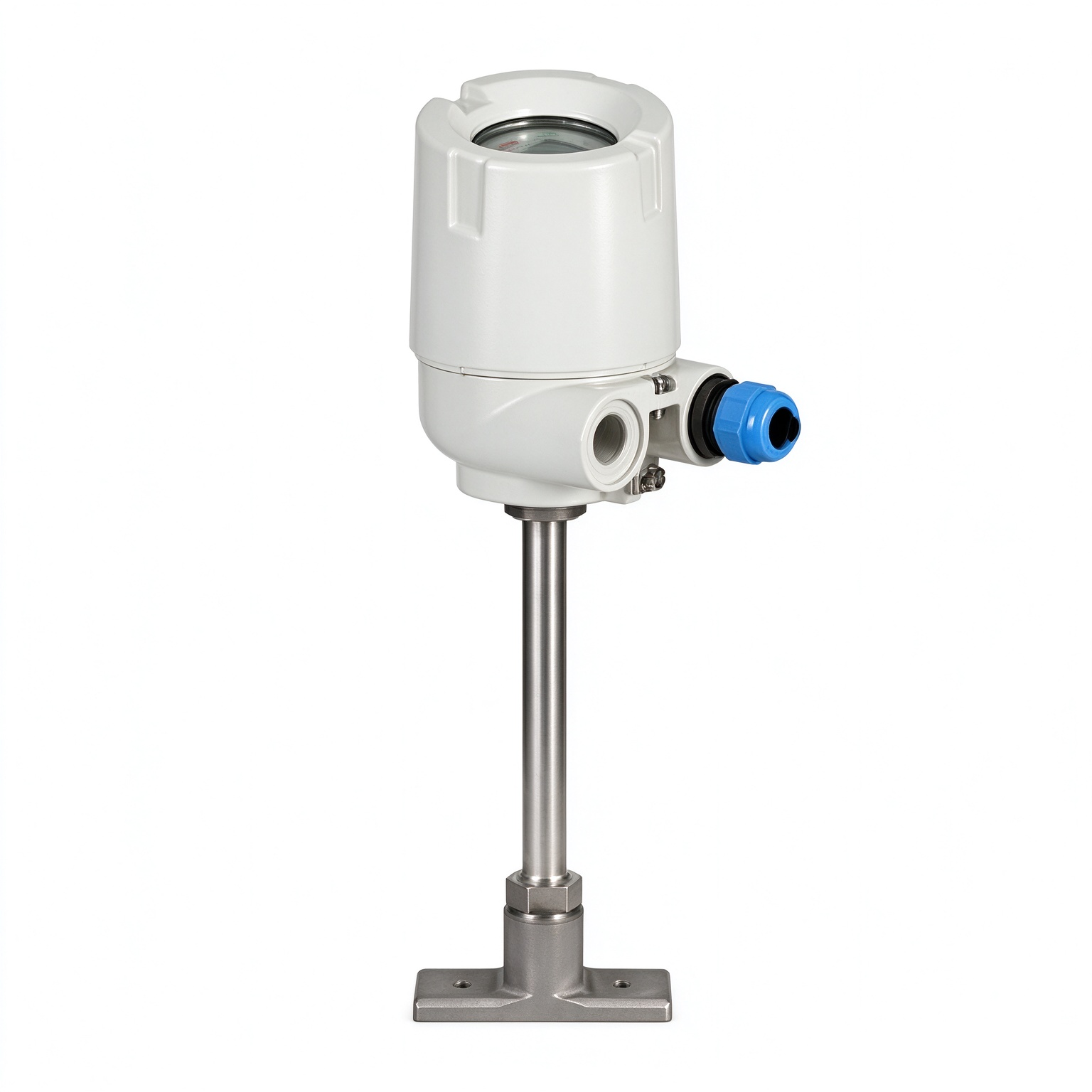
ABB 32149-M Bimetal Thermometer
Product Overview
The ABB 32149-M is a bimetal thermometer associated with transformer temperature monitoring and industrial measurement applications. It is a mechanical temperature indication device designed to provide a direct local reading of temperature without relying on an electronic display or external digital controller. Bimetal thermometers are widely used where a straightforward mechanical indication of equipment temperature is required.
The 32149-M identification is associated with ELMEK transformer accessory products within the ABB product ecosystem. Publicly available industrial component references connect 32149-M with a bimetal thermometer configuration and also associate the reference with 44848-02. The available product descriptions identify this type of thermometer as a mechanical temperature gauge intended for transformer-related applications.
Temperature monitoring is an important part of transformer operation because transformer components generate heat during normal electrical loading. Winding losses, core losses, ambient conditions, and loading characteristics all influence operating temperature. A local temperature indicator provides personnel with a direct indication that can be used as part of routine equipment observation and maintenance activities.
Bimetal Temperature Measurement Principle
A bimetal thermometer operates through the thermal expansion characteristics of two different metals bonded together. Because the metals expand at different rates when their temperature changes, the bonded element bends as temperature varies. This mechanical movement is transferred to the indicating mechanism and displayed on the thermometer scale.
The principle provides a simple and reliable method of temperature indication. Unlike electronic temperature sensors, a mechanical bimetal thermometer does not require a separate electrical power supply for its basic indication function. The temperature is converted directly into mechanical movement, allowing the instrument to display the measured value locally.
This operating principle is particularly suitable for industrial equipment where personnel need to observe temperature directly at the installation point. In transformer applications, the thermometer can form part of the equipment’s temperature indication arrangement and provide a convenient reference for monitoring operating conditions.
Transformer Temperature Monitoring
Transformers are designed to operate within specified thermal limits. Excessive temperature can accelerate insulation ageing and influence the expected service performance of transformer components. For this reason, temperature indication is an important element of transformer monitoring.
The ABB 32149-M can be associated with transformer temperature indication systems where a mechanical thermometer is required. Depending on the transformer construction and accessory arrangement, the temperature-sensing element can be positioned so that it responds to the temperature of the monitored medium or designated measurement point.
Local temperature indication allows operators and maintenance personnel to compare the observed temperature with expected operating conditions. Changes in temperature can result from variations in transformer load, ambient temperature, cooling conditions, or other operating factors. The thermometer therefore provides useful information as part of a broader transformer monitoring strategy.
Mechanical Temperature Gauge
The main characteristic of the 32149-M is its mechanical temperature indication principle. The instrument provides a physical dial-based indication rather than requiring a digital display. This design is useful in electrical equipment installations where a clear local reading is preferred.
Mechanical thermometers are commonly selected for industrial equipment because their operating principle is comparatively straightforward. The sensing mechanism responds to temperature variation and moves the pointer across the calibrated scale. The resulting indication can be observed directly by personnel performing equipment inspections.
The exact thermometer configuration should be confirmed against the relevant equipment documentation before installation. Connection dimensions, sensing-element construction, measuring range, mounting arrangement, and other mechanical characteristics can vary between thermometer models. The complete part number should therefore be used when identifying the required component.
Connection and Installation
Publicly available references associated with the 32149-M / 44848-02 thermometer describe a 1 inch NPT connection, a temperature range of approximately 20 to 120 °C, and a sensing pin length of approximately 95 mm. These details are useful identification references for the associated configuration, although the exact equipment documentation should be consulted when confirming the installation specification.
The connection between a thermometer and transformer or other monitored equipment must correspond to the mechanical interface provided on the equipment. Correct installation requires appropriate alignment between the thermometer connection, sensing element, and measurement point. The sensing element must be positioned as intended so that it can respond properly to the temperature being monitored.
Installation should also take account of accessibility. Because the thermometer is intended to provide local indication, its dial should remain visible to personnel during routine inspection. The surrounding equipment should not obstruct the scale or pointer, and the mounting arrangement should maintain the mechanical integrity of the instrument.
Application in Transformer Accessories
Transformer accessories provide important functions for monitoring, protection, connection, and mechanical operation. Temperature gauges are among the accessories that can provide information about transformer operating conditions. The ABB 32149-M fits into this broader category of transformer monitoring components.
In an oil-filled transformer application, temperature measurement can be associated with the temperature of the transformer oil or another designated measurement location. The thermometer provides a local indication that can be observed during inspections. Depending on the complete transformer design, temperature indication can be combined with other monitoring or protection devices.
The thermometer should therefore be considered as part of the complete transformer accessory arrangement. Its compatibility is determined not only by the thermometer’s nominal measuring range but also by the mechanical connection, sensing element dimensions, installation position, and transformer design.
Industrial Temperature Indication
Although transformer temperature monitoring is an important application, the general bimetal measurement principle is also widely used in industrial temperature indication. Mechanical thermometers can be suitable for equipment where a direct local temperature reading is required and where a simple mechanical instrument is appropriate for the installation environment.
The advantage of a mechanical indicator is that the measured value can be observed directly at the equipment. This can be useful during routine inspections, equipment rounds, and maintenance activities. Operators can identify temperature changes without depending exclusively on a remote monitoring system.
For industrial applications, the thermometer’s measuring range must correspond to the expected temperature conditions. The connection and sensing-element dimensions must also match the equipment. These requirements make the part number an important reference when selecting the appropriate thermometer configuration.
Maintenance Considerations
A bimetal thermometer should be inspected as part of the equipment’s normal maintenance program. Personnel can observe the dial, pointer movement, scale visibility, mounting condition, and mechanical connection. Any abnormal physical condition should be investigated according to the maintenance procedures applicable to the equipment.
Temperature indication can also be compared with other available operating information. If the displayed temperature changes significantly from the normal operating range, the transformer or monitored equipment should be evaluated according to the applicable maintenance procedure. Temperature readings should always be interpreted in relation to load, ambient conditions, cooling arrangements, and the equipment manufacturer’s specified operating limits.
When a thermometer requires replacement, the complete identification should be checked rather than selecting a visually similar instrument. The part number, connection, sensing-element length, temperature range, and mounting arrangement should correspond to the intended application.
Product Identification
The ABB 32149-M designation provides a specific reference for identifying this bimetal thermometer. Available industrial component references also associate the part number with ELMEK transformer accessory products and with the 44848-02 reference. Because transformer thermometers can have similar external appearances, the part number remains an important identification parameter.
For technical records, it is useful to retain the complete designation together with the equipment in which the thermometer is installed. Where additional information is available, the connection type, measuring range, sensing-element length, and associated transformer model can provide further confirmation of compatibility.
Accurate product identification is especially important when several transformer accessories are installed in the same facility. Recording the complete part number helps distinguish the thermometer from oil level indicators, pressure devices, Buchholz relays, winding temperature equipment, and other transformer monitoring components.
Technical Specifications
| Specification | Details |
|---|---|
| Brand | ABB |
| Part Number | 32149-M |
| Product Type | Bimetal Thermometer |
| Application | Transformer Temperature Monitoring |
| Measurement Principle | Bimetal Mechanical Temperature Indication |
| Associated Reference | 44848-02 |
| Connection | 1 inch NPT, according to associated published reference |
| Temperature Range | 20 to 120 °C, according to associated published reference |
| Sensing Pin Length | Approx. 95 mm, according to associated published reference |
| Instrument Type | Mechanical Temperature Gauge |
Selection Guidelines
When selecting ABB 32149-M, the part number should be used as the primary identification reference. The intended equipment, mechanical connection, temperature range, and sensing-element dimensions should then be compared with the requirements of the installation.
For transformer applications, the thermometer should correspond to the transformer accessory arrangement and the designated measurement point. A thermometer with a similar appearance but a different connection or sensing-element configuration may not be suitable for the same transformer.
The 32149-M reference can also be used in maintenance records and technical inquiries to clearly identify the required thermometer. Where the associated 44848-02 reference appears in equipment documentation, it can provide an additional cross-reference for confirming the intended configuration.
Conclusion
ABB 32149-M is a bimetal thermometer associated with transformer temperature monitoring and industrial temperature indication applications. Its mechanical sensing principle provides direct local temperature indication and makes it suitable for equipment where a clear, independent mechanical temperature reading is required.
Publicly available references associate 32149-M with the 44848-02 thermometer configuration and describe characteristics including a 1 inch NPT connection, a 20 to 120 °C measuring range, and an approximately 95 mm sensing pin. These details can assist with product identification, while the complete equipment documentation should be used to confirm the exact installation requirements.
For transformer maintenance and component identification, ABB 32149-M should be considered together with the transformer model, mounting arrangement, connection specification, sensing-element dimensions, and applicable technical documentation. This approach provides a reliable basis for identifying the correct bimetal thermometer configuration within an industrial transformer accessory system.

评价
目前还没有评价