
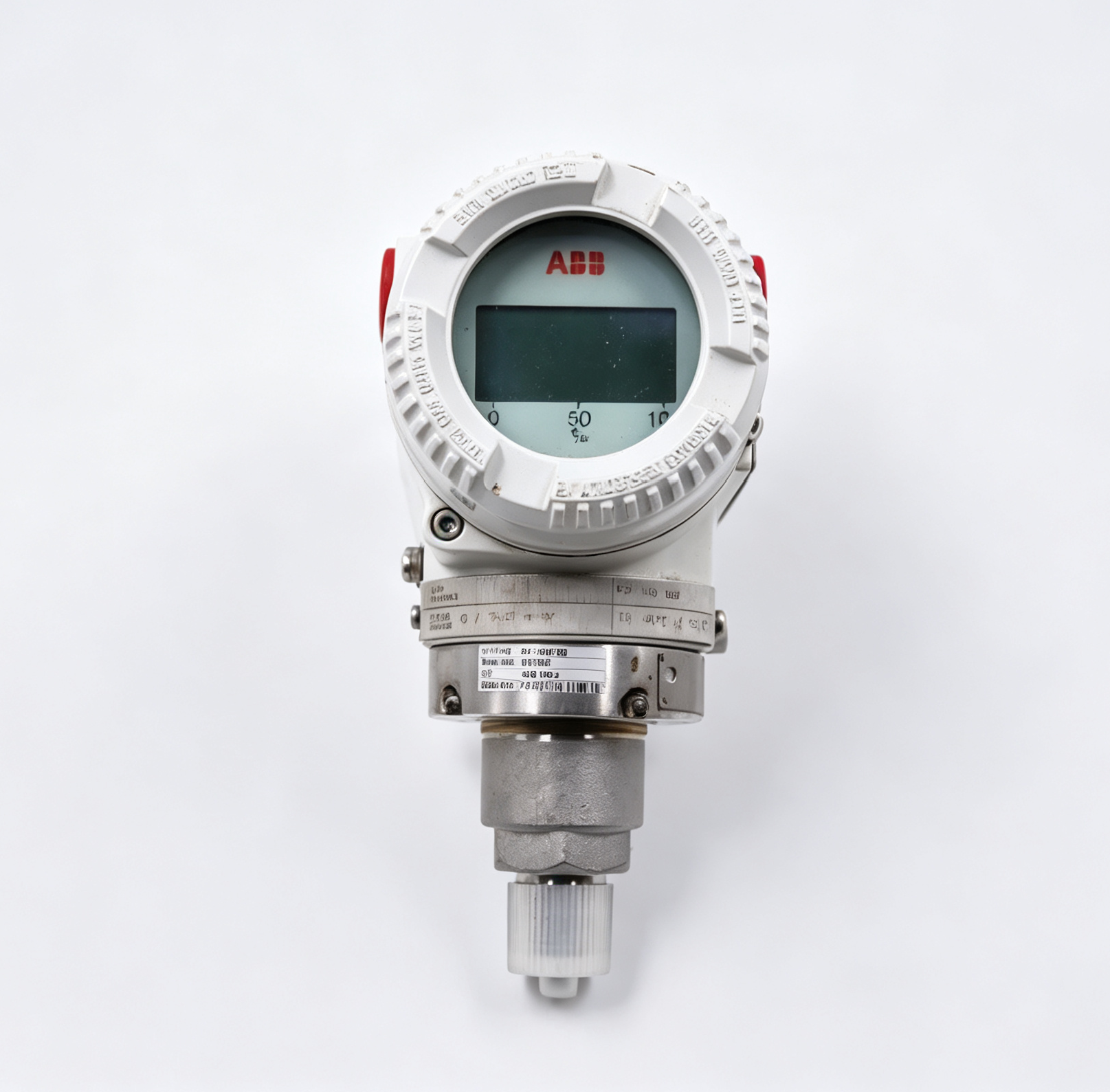
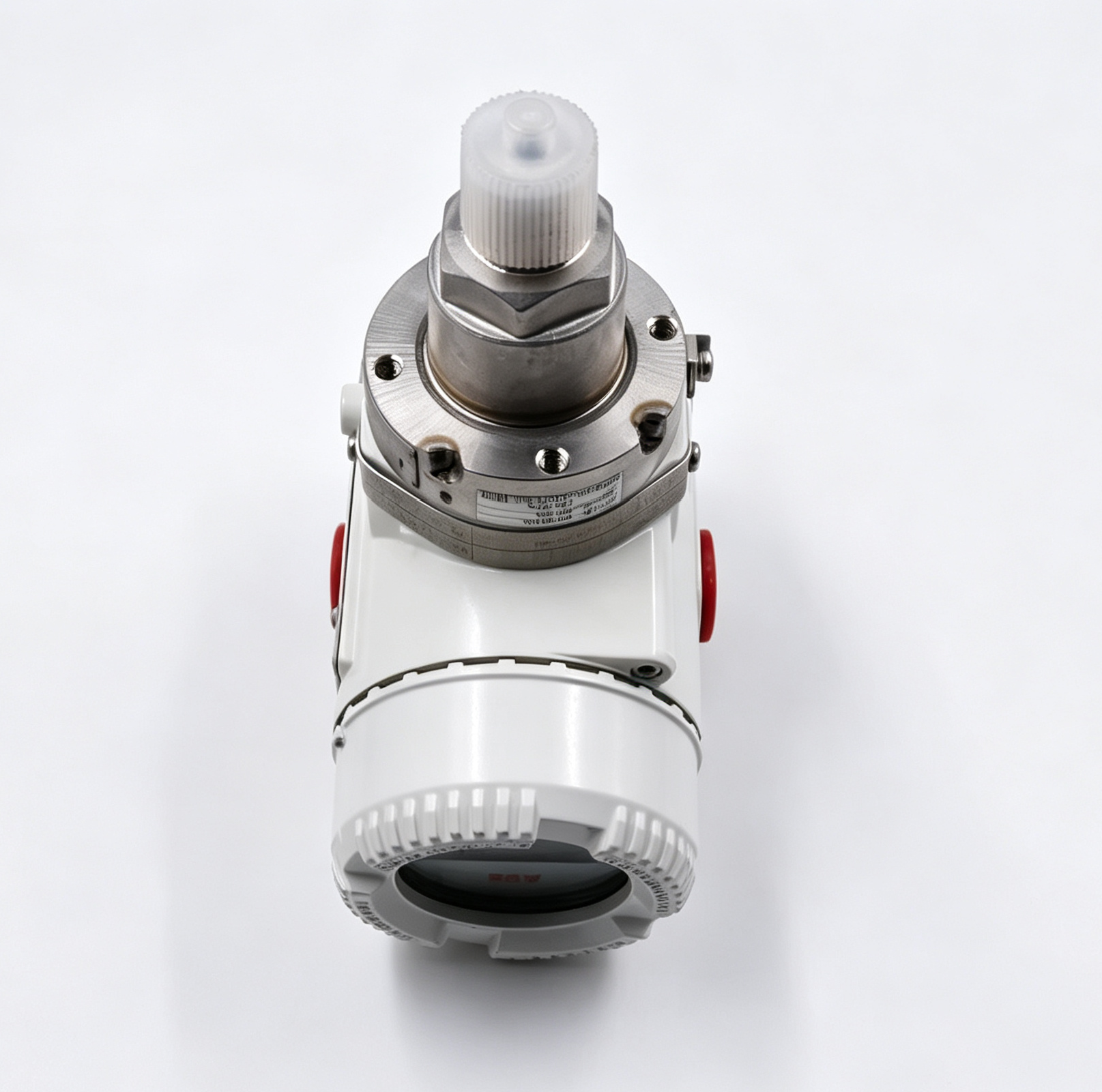
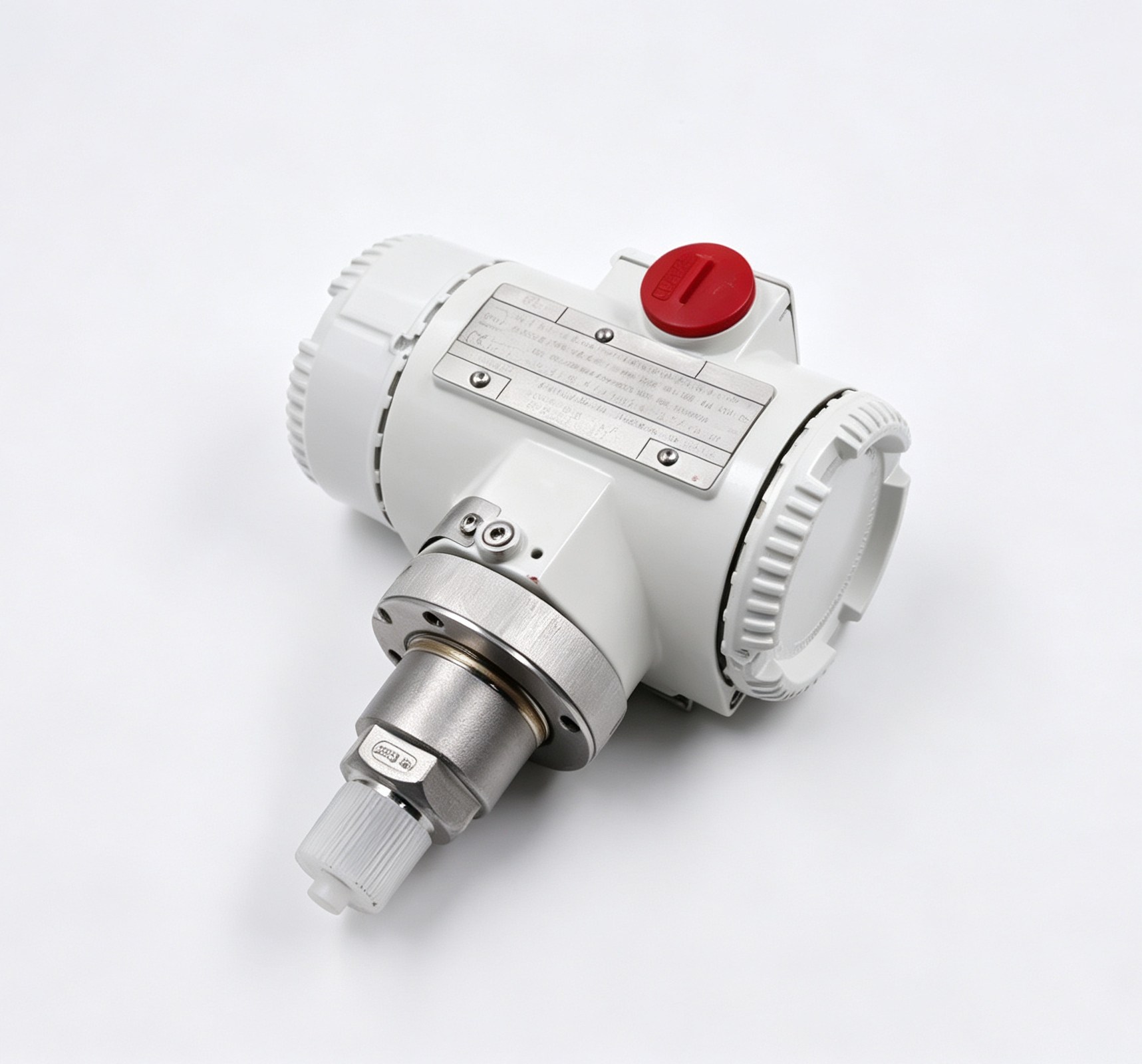
ABB 264DSGSSB2A1 Differential Pressure Transmitter with Manifold
Series 264DS differential pressure transmitter. The 264DS platform was
developed for industrial process measurement where differential pressure
is used to determine flow, liquid level, pressure difference, or density.
The configuration identified by 264DSGSSB2A1 is associated with a
manifold-mounted arrangement, providing a practical connection between
the pressure transmitter and the process installation.
ABB’s 264 series belongs to its established pressure measurement portfolio.
ABB documentation identifies the 264DS as a differential pressure transmitter
designed for applications involving liquids, gases, and steam. The platform
combines a sensing system with digital electronics and configurable
measurement functions to provide an interface between process pressure
and the plant control or monitoring system.
ABB 264DSGSSB2A1 Product Overview
The 264DS is a differential pressure transmitter in the ABB 2600T Series.
Unlike a gauge pressure transmitter, which measures pressure relative
to a reference pressure, a differential pressure transmitter measures
the difference between two process pressure inputs. This makes the
technology particularly useful for measuring pressure drop across
equipment or determining another process variable from a pressure
differential.
The ABB 264DS platform can be applied to flow measurement, level
measurement, pressure monitoring, and density-related applications.
The transmitter receives pressure through its high-pressure and
low-pressure sides and converts the measured differential into an
electrical or digital output suitable for integration with an
industrial control system.
The 264DSGSSB2A1 designation represents a particular configuration
within the broader 264DS ordering structure. The complete product
configuration may include additional suffixes that define measurement
range, electrical output, communication protocol, process connection,
diaphragm material, housing arrangement, certification, and other
application-specific characteristics.
Differential Pressure Measurement Principle
Differential pressure measurement is widely used in industrial process
instrumentation because a pressure difference can provide information
about the condition of a process. For example, the pressure drop across
an orifice, flow element, filter, heat exchanger, or other restriction
can be related to process flow or equipment condition.
In liquid-level applications, differential pressure can be used to
determine the hydrostatic pressure generated by the liquid column.
The transmitter compares the pressure applied to its two sensing sides
and produces a corresponding measurement signal.
The ABB 264DS architecture is therefore suitable for installations where
two pressure connections must be monitored simultaneously. The manifold
arrangement can simplify the mechanical connection between the process
impulse lines and transmitter while also providing a practical means
of isolating or equalizing pressure during operation and maintenance
procedures.
Manifold Configuration
The manifold is an important mechanical element in many differential
pressure transmitter installations. A manifold can combine process
isolation and pressure-management functions around the transmitter,
reducing the number of separate components required between the process
connections and the sensing instrument.
ABB’s pressure transmitter documentation includes dedicated manifold
accessories and mounting arrangements for its pressure measurement
products. For the 264DS configuration, the manifold-related ordering
designation should be considered together with the complete transmitter
code because the exact manifold arrangement can depend on the selected
process connection and mounting configuration.
The term “manifold” should not be interpreted as the transmitter’s
measurement technology itself. The transmitter performs the differential
pressure measurement, while the manifold provides the associated
mechanical and pressure-management interface.
Measurement Accuracy and Stability
The ABB 264DS family was designed around a digital pressure-sensing
architecture intended to provide stable measurement performance over
the operating range. ABB documentation for the 264DS identifies base
accuracy values that depend on the selected measurement range and
turndown ratio.
For many 264DS ranges, the reference accuracy can reach approximately
±0.075 percent of calibrated span under the applicable conditions.
Other ranges and configurations can have different accuracy values,
so the complete ordering code must be evaluated before assigning a
specific accuracy specification to 264DSGSSB2A1.
Long-term measurement stability is also an important consideration in
industrial pressure instrumentation. ABB’s 264DS documentation describes
a five-year stability characteristic for the series, supporting
applications where maintaining consistent measurement performance
over extended operating periods is important.
Digital Configuration and Communication
The ABB 264DS series combines its pressure sensing system with digital
electronics that support configuration and communication functions.
Depending on the selected transmitter configuration, the platform can
support communication technologies such as HART, PROFIBUS PA, and
FOUNDATION Fieldbus.
Local configuration can be performed through the transmitter interface
and display arrangement where the selected configuration includes the
corresponding local operating functions. Remote configuration can also
be performed through compatible communication tools or a suitable
configuration platform.
Because the complete 264DS ordering code determines the actual output
and communication configuration, the 264DSGSSB2A1 base designation
should not be assumed to represent every available protocol. The
remaining suffixes should be checked when determining the exact
communication interface of an individual transmitter.
Process Applications
Differential pressure transmitters are used throughout industrial
process automation. The ABB 264DS can be applied to flow measurement
where the differential pressure across a primary flow element is
related to process flow. It can also be used for level measurement
where the pressure difference corresponds to the hydrostatic head
of the process liquid.
Additional applications include pressure-drop monitoring across
filters, heat exchangers, valves, and other process equipment.
Differential pressure can also provide information about equipment
condition, allowing the transmitter signal to become part of a
supervisory or control strategy.
The appropriate measurement range, diaphragm material, process
connection, fill fluid, and communication protocol must be selected
according to the process medium, pressure conditions, temperature,
installation arrangement, and control-system requirements.
ABB 264DSGSSB2A1 Technical Specifications
| Parameter | Specification |
|---|---|
| Brand | ABB |
| Product Series | ABB 2600T Series |
| Model Family | 264DS |
| Configuration | 264DSGSSB2A1 |
| Product Type | Differential Pressure Transmitter |
| Measurement Principle | Differential Pressure Measurement |
| Mounting Arrangement | Manifold-Associated Configuration |
| Typical Applications | Flow, Level, Pressure and Density Measurement |
| Reference Accuracy | Up to approximately ±0.075% depending on range and configuration |
| Communication | HART, PROFIBUS PA or FOUNDATION Fieldbus depending on configuration |
| Configuration | Digital configuration and local interface depending on version |
Pressure Connection and Installation
Proper pressure connection is essential for differential pressure
measurement. The high-pressure and low-pressure process connections
must be connected to the correct sides of the transmitter according
to the process arrangement and the applicable ABB installation
documentation.
The associated manifold can provide isolation, equalization, and
venting functions depending on its configuration. This arrangement
can be particularly useful in process installations where the
transmitter must be isolated from the process or where pressure
equalization is required during commissioning and maintenance.
Process connection dimensions and thread specifications are determined
by the selected configuration. ABB documentation for the 264 series
includes process connections based on flange and adapter arrangements,
with the exact connection depending on the transmitter ordering code.
Environmental and Process Considerations
The operating environment should be considered when applying an
ABB 264DS differential pressure transmitter. Process temperature,
ambient temperature, static pressure, corrosion characteristics of
the process medium, vibration, and installation position can all
influence the complete measurement system.
Material selection is particularly important when the transmitter
is exposed to aggressive process media. The diaphragm, process
flange, seals, fill fluid, and manifold material should correspond
to the process chemistry and operating temperature.
The selected measurement range should also provide sufficient
operating margin without unnecessarily reducing measurement
resolution. Proper range selection is important for obtaining the
expected accuracy and stability from the complete instrumentation
system.
Identification of ABB 264DSGSSB2A1
The complete identification of an ABB 264DS transmitter should be
based on the full ordering code rather than only the first section
of the designation. The code can contain information defining the
measurement type, range, sensor construction, output, process
connection, diaphragm material, housing, certification, and other
configuration parameters.
For the product designation supplied here,
264DSGSSB2A1 should be retained exactly when
identifying the requested configuration. Additional suffixes may
be required to determine the complete technical specification of
an individual transmitter.
The word “Manifold” describes the associated installation arrangement
rather than replacing the 264DS transmitter model designation.
Therefore, the most accurate product identification is an ABB 264DS
differential pressure transmitter with the corresponding manifold
configuration.
Industrial Instrumentation Applications
The ABB 264DS platform can be integrated into industrial process
measurement systems where differential pressure is an important
process variable. Its application range includes flow measurement,
liquid level measurement, differential pressure monitoring, and
density-related process measurement.
Integration with industrial communication systems allows the
transmitter measurement to be transferred to process control,
supervisory, or monitoring equipment. The available communication
technology depends on the complete transmitter configuration.
The manifold-associated configuration can also simplify the mechanical
installation by combining the transmitter with an appropriate pressure
connection arrangement. This can make the overall instrument assembly
more structured and easier to integrate into a process measurement
installation.
Conclusion
ABB 264DSGSSB2A1 is associated with the ABB 2600T Series 264DS
differential pressure transmitter family and a manifold-mounted
configuration. The 264DS is designed for industrial differential
pressure measurement and can be applied to flow, level, pressure,
and density measurement systems.
Its digital sensing and configuration architecture, together with
the available communication technologies and manifold installation
arrangements, provides a flexible platform for process instrumentation.
The exact electrical output, pressure range, process connection,
material configuration, and certification should be determined from
the complete ordering code.
For accurate product identification, ABB 264DSGSSB2A1 should be
considered as part of the complete 264DS configuration rather than
as an isolated generic pressure transmitter designation. The manifold
arrangement, process connections, sensing range, and remaining ordering
code sections should be matched to the intended process installation
and applicable ABB technical documentation.

评价
目前还没有评价