
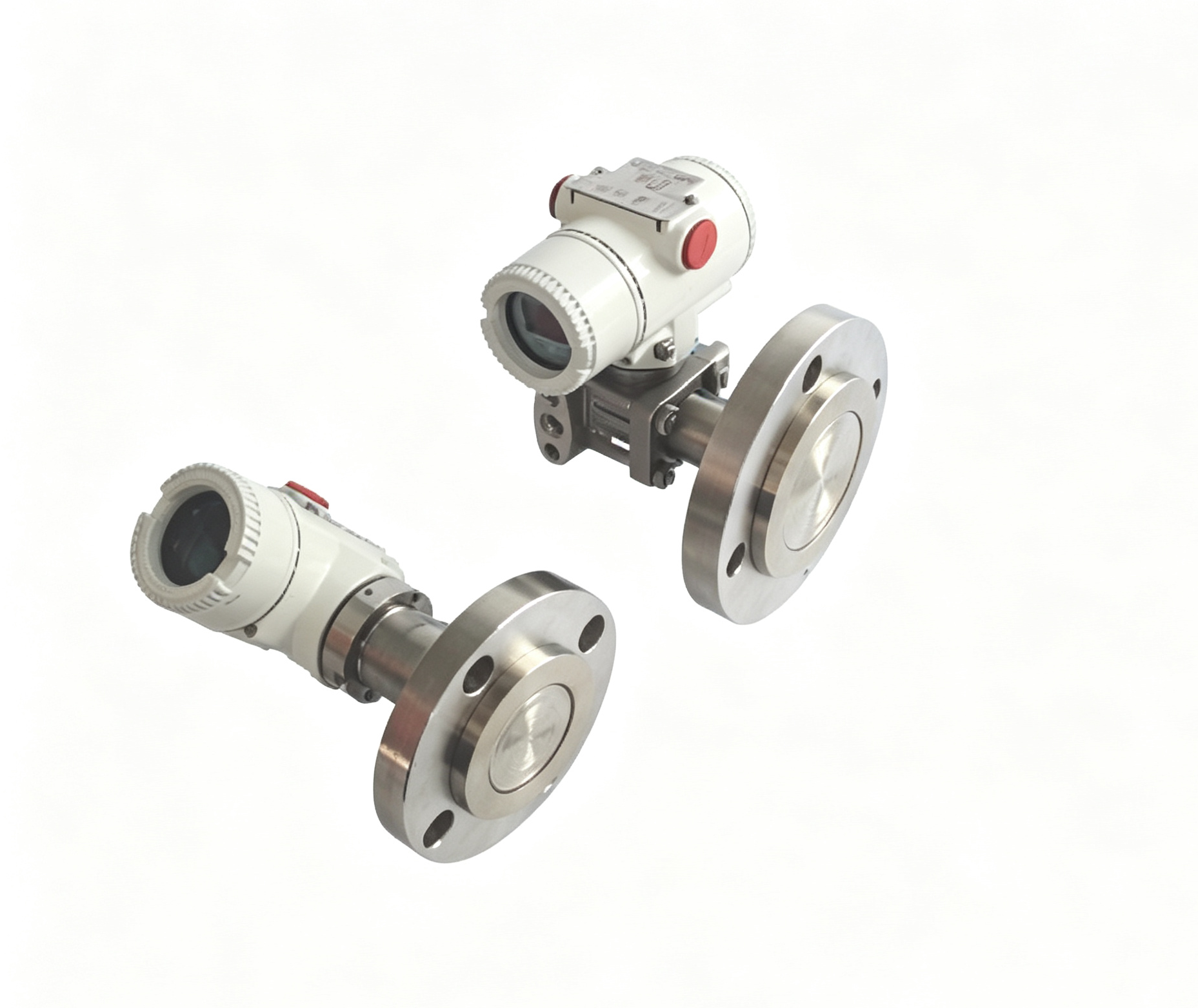
ABB 264DCFFE3SSSB4A1W1L1C6H3 Industrial Pressure Transmitter Overview
The ABB 264DCFFE3SSSB4A1W1L1C6H3 is a highly configurable industrial pressure transmitter belonging to ABB’s advanced process instrumentation portfolio. Devices in the 264 and 266 series are widely used in industrial automation systems where accurate pressure or differential pressure measurement is required for process control, monitoring, and safety management. This specific model code represents a fully customized configuration that defines mechanical structure, sensing range, process connection type, diaphragm material, fill fluid, and electronic output options.
In modern industrial environments, process transmitters like this play a critical role in ensuring stable and efficient operation of pipelines, reactors, tanks, and energy systems. They convert physical pressure into standardized electrical signals that can be interpreted by PLC systems, distributed control systems (DCS), and supervisory monitoring platforms.
Role in Industrial Process Measurement Systems
The ABB 264 series transmitter family is designed for high-precision pressure and differential pressure measurement in continuous industrial processes. The 264DCFFE3SSSB4A1W1L1C6H3 configuration is typically used in applications requiring stable long-term measurement performance under variable temperature, pressure, and chemical conditions.
In process automation systems, accurate pressure measurement is essential for controlling flow rates, maintaining safe operating conditions, and optimizing energy efficiency. The transmitter provides continuous real-time data that allows control systems to adjust valves, pumps, and compressors dynamically based on process demand.
Configurable Model Code Structure
The long model code 264DCFFE3SSSB4A1W1L1C6H3 represents a structured configuration system used by ABB for industrial instrumentation. Each segment of the code defines a specific technical parameter. These parameters typically include sensor type, housing material, process connection design, mounting configuration, electrical output signal, communication protocol, and certification options.
This modular coding system allows ABB to provide highly customized instruments tailored to specific industrial requirements without changing the core measurement technology. It ensures compatibility with different process media such as gas, liquid, steam, and corrosive substances.
Measurement Principle and Signal Conversion
The transmitter operates based on advanced piezoresistive or capacitive sensing technology depending on configuration. Pressure applied to the sensing diaphragm causes a mechanical deflection, which is converted into an electrical signal proportional to the measured pressure.
This signal is then processed by internal electronics, where temperature compensation, linearization, and filtering are applied to ensure high accuracy and stability. The final output is typically a 4–20 mA analog signal, often combined with HART digital communication for advanced diagnostics and configuration.
Industrial Communication and Integration
The ABB 264 series transmitters are designed for seamless integration into modern automation systems. The 264DCFFE3SSSB4A1W1L1C6H3 configuration supports standard industrial communication protocols such as HART, enabling bidirectional communication between field instruments and control systems.
Through HART communication, operators can perform remote calibration, diagnostics, configuration adjustments, and real-time monitoring of device health. This significantly reduces maintenance effort and improves system uptime in industrial plants.
Application in Process Industries
The ABB 264DCFFE3SSSB4A1W1L1C6H3 transmitter is suitable for a wide range of industrial applications, including oil and gas production, chemical processing, power generation, water treatment, and refinery operations. In these environments, pressure measurement is critical for maintaining safe and efficient process conditions.
In oil and gas systems, it is used for pipeline pressure monitoring and separator control. In chemical plants, it supports reactor pressure regulation and fluid flow measurement. In power plants, it assists in steam pressure control and boiler system monitoring. In water treatment facilities, it helps regulate filtration and pumping systems.
Mechanical Design and Environmental Resistance
Industrial pressure transmitters must operate reliably in harsh environments. The ABB 264 series is designed with robust housing materials and corrosion-resistant wetted parts to ensure long-term durability. Depending on configuration, materials may include stainless steel or specialized alloys suitable for aggressive process media.
The device is engineered to withstand vibration, temperature fluctuations, and high humidity conditions commonly found in industrial installations. This ensures stable performance even in remote or outdoor installations where environmental conditions are unpredictable.
Calibration Stability and Measurement Accuracy
One of the key advantages of ABB process transmitters is long-term calibration stability. The 264DCFFE3SSSB4A1W1L1C6H3 model is designed to minimize drift over time, reducing the need for frequent recalibration. Built-in temperature compensation ensures that measurement accuracy is maintained even under changing thermal conditions.
This stability is essential in continuous process industries where measurement errors can lead to production inefficiencies, safety risks, or product quality issues.
Maintenance and Lifecycle Efficiency
From a maintenance perspective, the transmitter is designed for long operational life with minimal intervention. Diagnostic capabilities enable early detection of sensor issues, signal degradation, or process anomalies. This allows predictive maintenance strategies to be implemented, reducing unexpected downtime.
The modular configuration system also allows easier replacement and reconfiguration without requiring full system redesign, improving overall lifecycle efficiency.
Conclusion
The ABB 264DCFFE3SSSB4A1W1L1C6H3 industrial pressure transmitter is a highly configurable and reliable process measurement device designed for demanding industrial environments. Its advanced sensing technology, modular configuration system, stable signal output, and strong integration capability make it suitable for a wide range of automation and process control applications. By delivering accurate and continuous pressure measurement, it plays a critical role in improving operational efficiency, safety, and control accuracy in modern industrial systems.

评价
目前还没有评价