
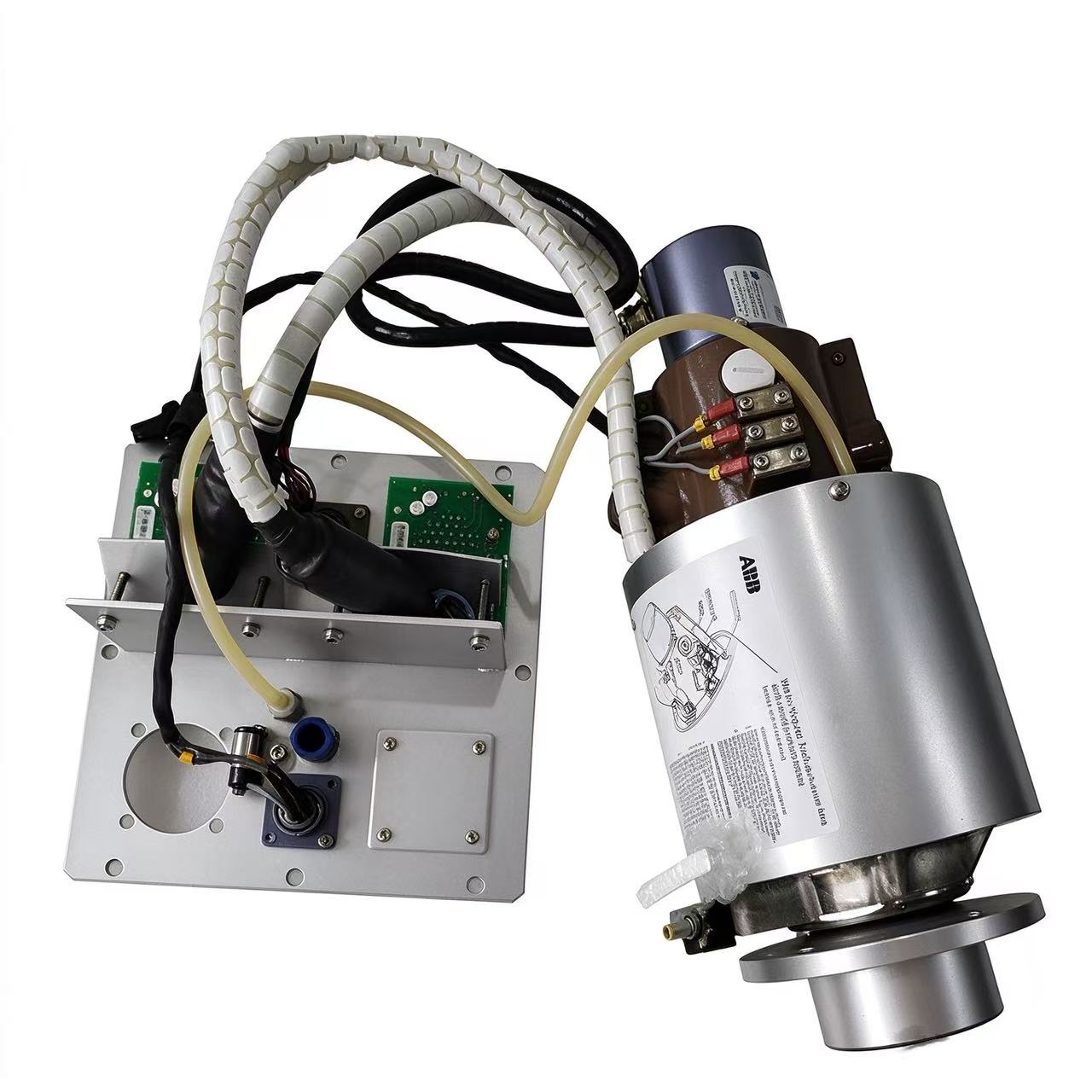
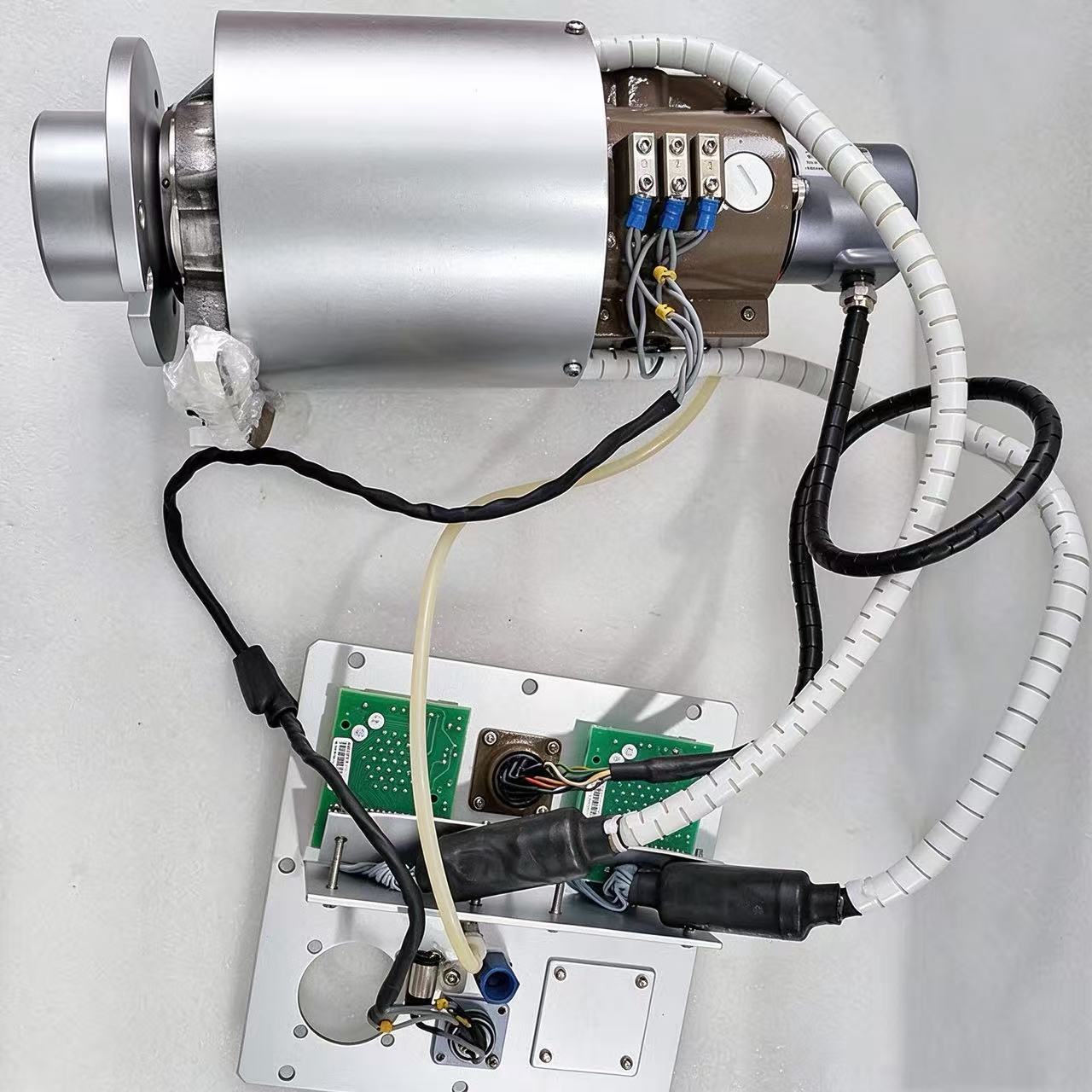
ABB PFSA103D STR-A1 X3-37*150M Industrial Control Component
Product Overview
The ABB PFSA103D STR-A1 X3-37*150M is identified by a model designation associated with the PFSA103D product family. Available product information identifies the PFSA103D as an industrial tension electronics component used in applications involving tension measurement and control. These functions are important in manufacturing systems where continuous materials must move through processing equipment with stable and controlled tension.
In industrial automation, tension-related control equipment forms part of a wider system that may include load cells, signal-processing electronics, controllers, drive systems and mechanical handling equipment. The combination of these elements helps operators monitor material conditions and coordinate machine operation. The exact function of an individual component depends on the system configuration and the interfaces provided by the installed hardware.
The complete designation PFSA103D STR-A1 X3-37*150M should be retained when identifying the component. However, the precise meaning of the suffix and its relationship to the original ABB product number have not been independently confirmed. Consequently, the exact electrical characteristics, connection assignments and hardware configuration should be checked against the applicable documentation before the component is integrated into an industrial system.
Technical Identification
The following information summarizes the available product identification details. Configuration-specific parameters must be verified using the component markings and the corresponding technical specification.
| Manufacturer | ABB |
|---|---|
| Model Designation | PFSA103D STR-A1 X3-37*150M |
| Base Model | PFSA103D |
| Functional Category | Industrial tension electronics and signal processing |
| Application Area | Tension measurement and industrial process control |
| Power Supply | Verify from the applicable hardware documentation |
| Signal Inputs and Outputs | Configuration-specific; confirm from the wiring diagram |
| Communication Interface | Verify against the installed system configuration |
| Mounting Arrangement | Confirm from the applicable mechanical documentation |
| Complete Part Number | Confirm from the product label and equipment records |
Function in Tension Measurement Systems
Tension measurement and control are essential in industrial processes that handle continuous materials. During production, paper, film, foil and similar materials pass through rollers, winding stations and processing units. Variations in material tension can affect product quality, machine stability and production consistency. A properly configured control system helps maintain the required process conditions as operating speed and mechanical loads change.
Load cells and other suitable sensing devices can provide measurements related to the forces acting on a moving material. The control architecture uses these measurements to evaluate actual operating conditions against the required process values. Depending on the installation, the resulting control signals may influence drive torque, motor speed, braking equipment or other actuators.
PFSA103D-related product information associates this model family with tension electronics and signal-processing applications. Nevertheless, the exact signal channels and functions of the STR-A1 X3-37*150M designation should not be inferred from the base model alone. Engineers should confirm the intended role of the complete component before making changes to an existing control arrangement.
Industrial Applications
Paper manufacturing and converting machinery are common examples of industrial environments where tension control is important. Material moves through several processing stages, and consistent tension helps reduce wrinkling, stretching and interruptions caused by unstable web handling. Printing equipment also depends on controlled material movement to support registration accuracy and consistent production quality.
Film production, flexible packaging and coating operations may require coordinated control during unwinding, processing and rewinding. In these applications, the material properties and required tension can vary with thickness, width, speed and processing conditions. The control system must therefore be configured according to the characteristics of the material and the mechanical design of the equipment.
Winding systems introduce additional challenges because the effective roll diameter changes as material is accumulated or released. Drive torque and speed requirements can consequently change throughout the operating cycle. Suitable measurement and control arrangements help coordinate these variables and maintain the required tension profile.
These examples describe general applications of industrial tension electronics. They do not establish that every application is supported by the exact ABB PFSA103D STR-A1 X3-37*150M configuration. Suitability must be confirmed through the verified technical specification and the requirements of the intended machine.
Signal Processing and System Integration
Signal processing supports the transfer and interpretation of measurement information within an automation system. Depending on the hardware design, industrial electronics may perform functions such as signal conditioning, filtering, scaling or communication with other control devices. The functions actually available in the specified ABB component must be established from the relevant product documentation.
System integration begins with identifying the connected measurement devices, control equipment, power supply and drive architecture. The electrical characteristics of each interface must match the receiving equipment. Incorrect assumptions about input ranges, output signals, terminal assignments or grounding arrangements can cause inaccurate readings, communication problems or equipment faults.
When integrating the component into an existing installation, engineers should review the original electrical drawings and control-system configuration. Wiring should be recorded before disconnection, and all connections should follow the verified terminal documentation. Where software settings or application parameters are involved, their handling should follow the approved commissioning and maintenance procedures.
Installation Considerations
Industrial electronic equipment must be installed according to its specified environmental and electrical requirements. Relevant factors include ambient temperature, humidity, vibration, enclosure protection and exposure to electrical interference. The actual requirements for the PFSA103D STR-A1 X3-37*150M configuration must be confirmed before selecting a mounting location or designing the cabinet arrangement.
Signal cables should be routed in accordance with the installation design, particularly when measurement wiring runs near motor drives, switching devices or other potential sources of electromagnetic interference. Appropriate shielding and grounding practices help preserve signal integrity when implemented according to the equipment documentation.
Before energizing the system, qualified personnel should verify the supply voltage, terminal connections, protective grounding and compatibility of connected equipment. Commissioning should include checking that measurement signals are plausible and that the overall control system responds correctly to changes in operating conditions. Any calibration procedure must follow the applicable instructions.
Maintenance and Troubleshooting
Routine maintenance helps preserve the reliability of industrial control equipment. Inspection activities may include checking connector condition, wiring integrity, mounting security and the cleanliness of the surrounding cabinet. Operating records and available diagnostic information can also help maintenance personnel identify changes in system behavior.
If tension becomes unstable, troubleshooting should consider the entire process rather than immediately attributing the problem to one electronic component. Possible investigation areas include load-cell condition, mechanical alignment, cable connections, drive performance, controller settings and changes in material characteristics. Comparing actual measurements with expected process behavior can help narrow down the source of the disturbance.
Electrical isolation and the site’s safety procedures must be followed before inspection or replacement work. Technicians should document the installed model, configuration and wiring before removing a component. After installation, the system should be checked to confirm that measurements and control responses remain consistent with the intended operating requirements.
Model Verification and Replacement Selection
Accurate identification is essential when selecting the ABB PFSA103D STR-A1 X3-37*150M for an existing machine. The complete designation should be compared with the markings on the installed component, available equipment records and the applicable technical documentation. Particular attention should be paid to whether the suffix represents a hardware configuration, assembly reference, cable specification or another product-specific identifier.
Replacement evaluation should include the electrical supply, signal interfaces, mechanical arrangement and compatibility with the host control system. Components sharing a base model designation are not necessarily interchangeable if their configurations or connection details differ. A replacement should only be approved after the relevant technical requirements have been verified.
When the original documentation is unavailable, clear photographs of the complete product label and any associated identification numbers can help support further research. The final selection should be based on confirmed information rather than assumptions derived from similar model names.
Product Summary
The ABB PFSA103D STR-A1 X3-37*150M is identified by a designation associated with the PFSA103D industrial tension electronics family. Tension measurement and signal processing are relevant to continuous material handling, winding systems and other industrial processes that depend on stable material movement. Correct identification, documented electrical connections and appropriate system integration are essential when evaluating this component. Since the precise meaning of the complete suffix has not been confirmed, the corresponding ABB documentation should be consulted before installation, commissioning or replacement.

评价
目前还没有评价