
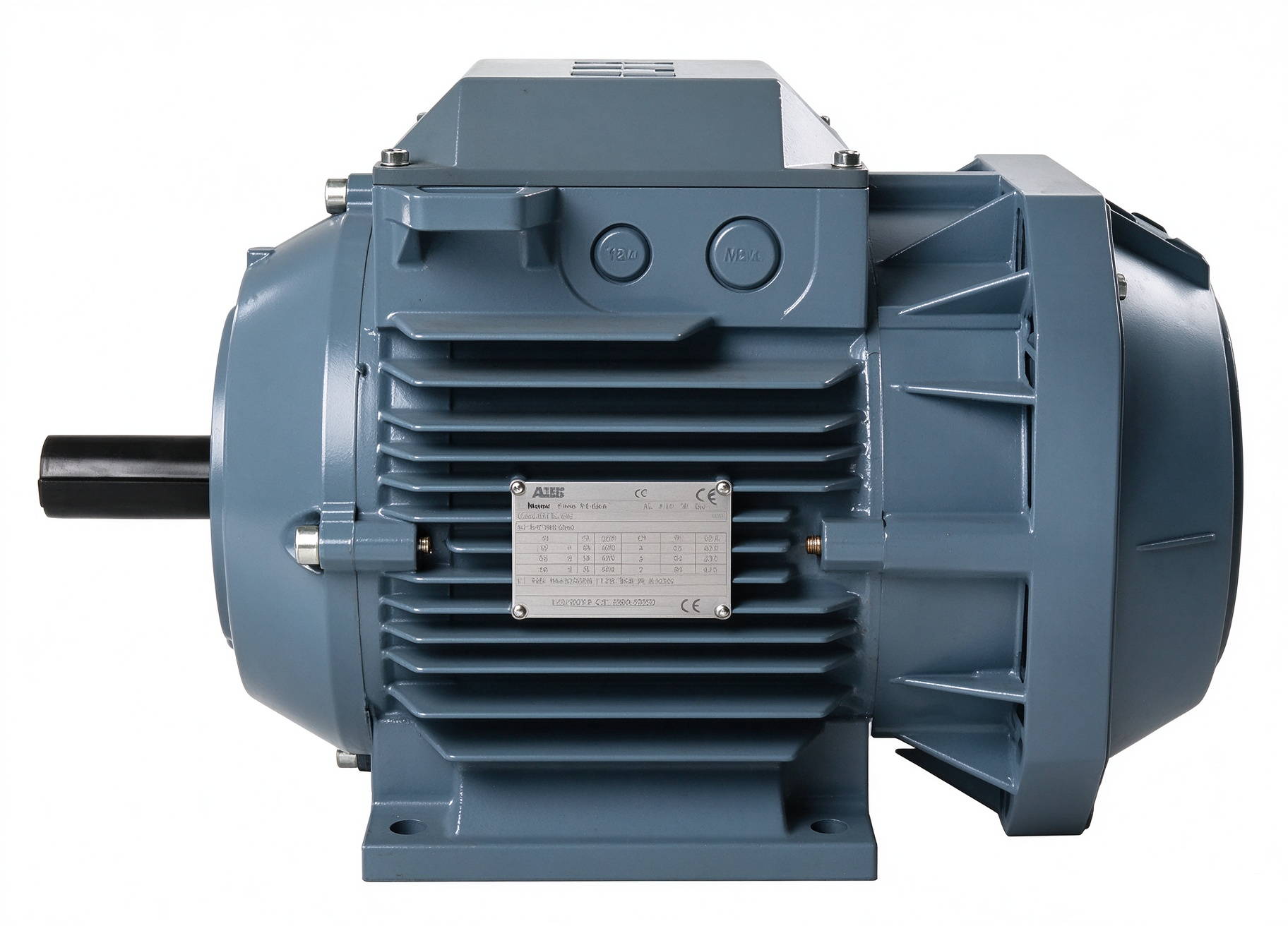
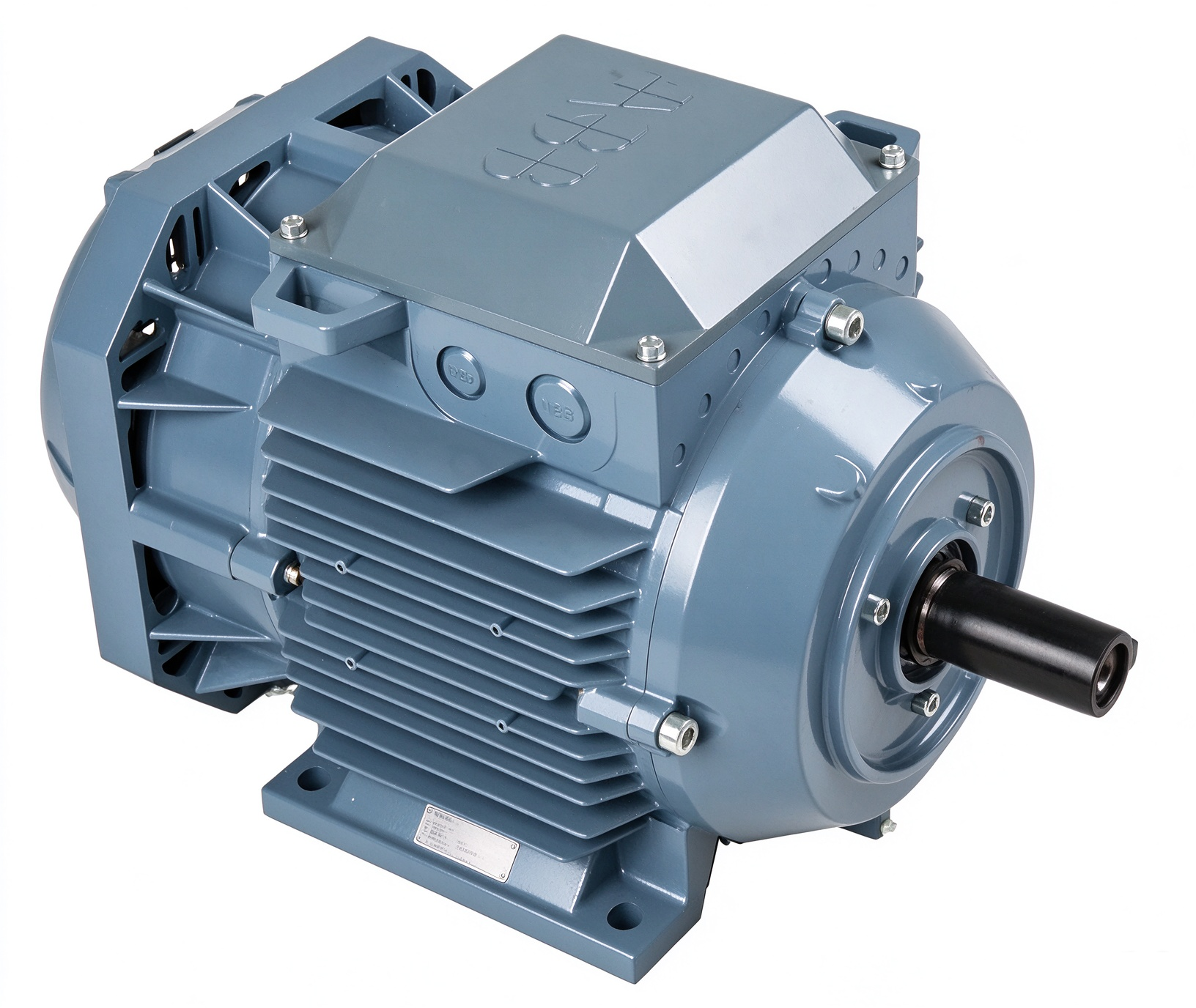
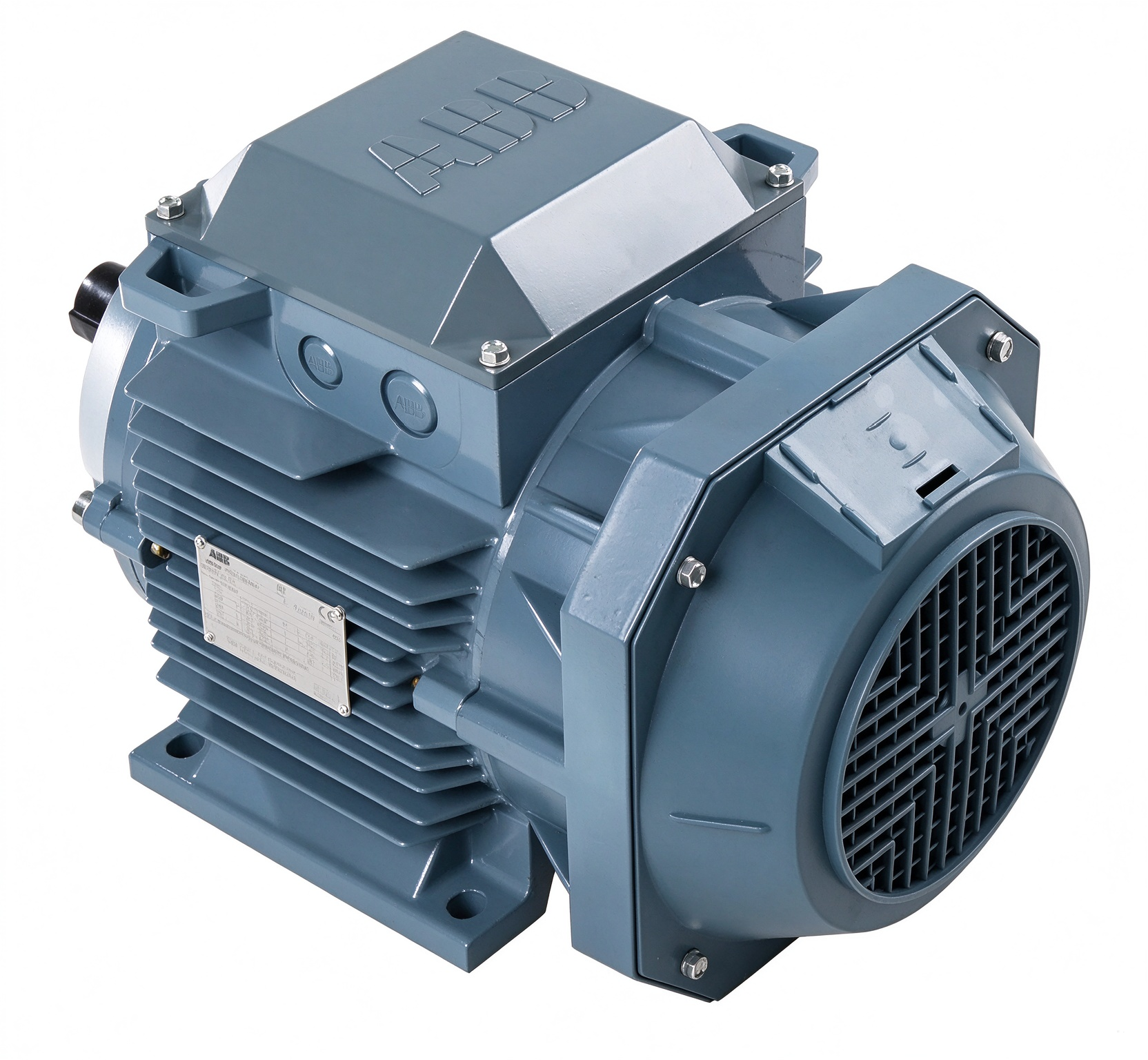
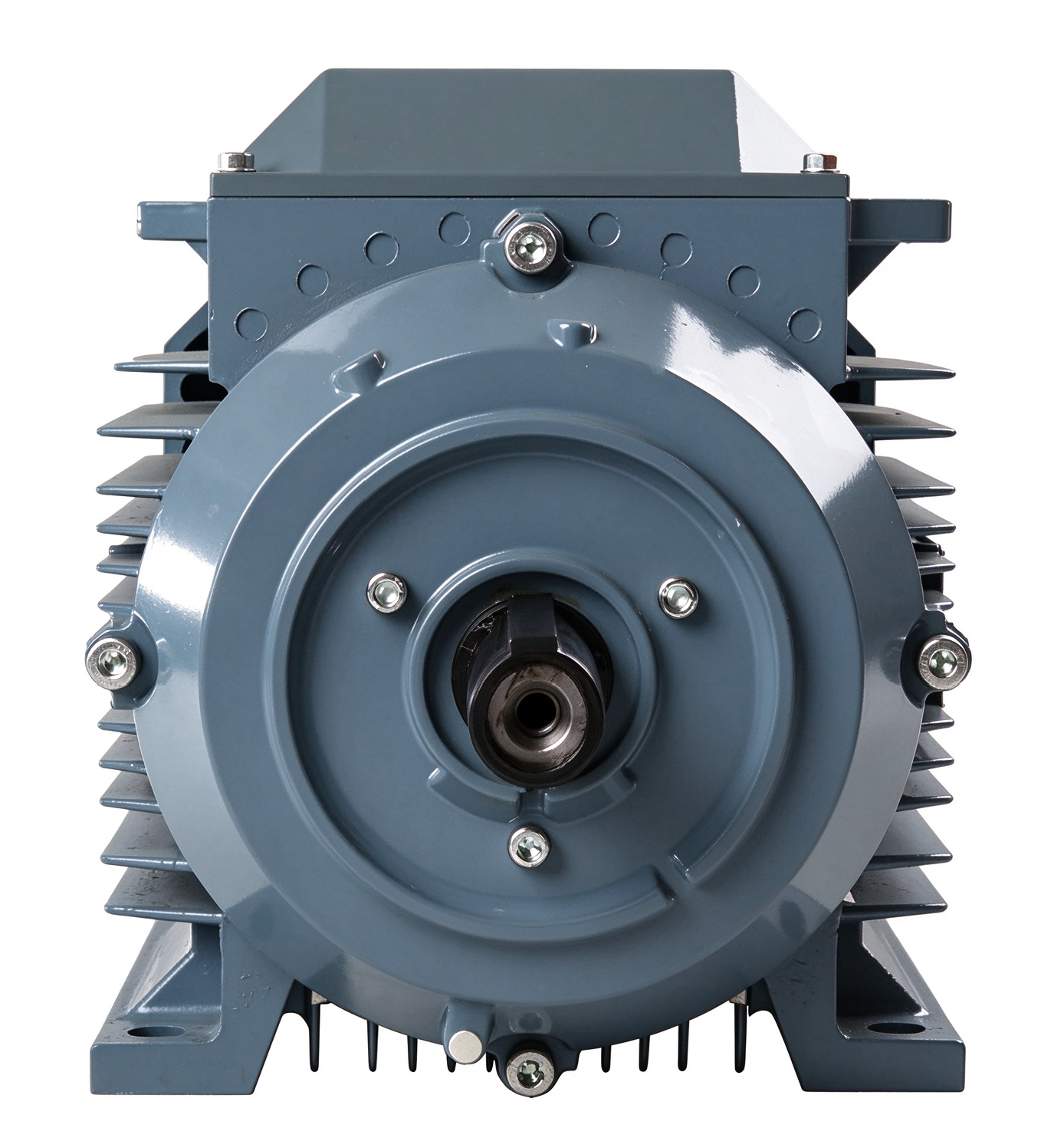
ABB 3GAA112320-BDE M3AA 112MB 4 IE2 Aluminum Motor
The ABB 3GAA112320-BDE is an M3AA series aluminum-frame
induction motor designed for industrial drive applications.
With a rated output of 4 kW, an IE2 efficiency classification,
and an IMB5 flange mounting arrangement, this motor is
intended for integration into compatible machinery and
process equipment. Understanding its electrical ratings,
mechanical configuration, and operating characteristics
helps engineers identify the appropriate motor for a
particular installation.
1. Product Overview
The ABB 3GAA112320-BDE belongs to the M3AA aluminum motor
family and carries the type designation M3AA 112MB 4.
It is identified as a three-phase squirrel-cage induction
motor with a rated output of 4 kW. The product designation
specifies an IE2 high-efficiency motor configuration,
making energy conversion efficiency an important part
of its technical profile.
Induction motors are widely used in industrial facilities
because of their established operating principles and
suitability for continuous mechanical power transmission.
They convert electrical energy into rotational movement
for equipment such as pumps, fans, conveyors, and other
compatible machinery. The actual application of this
ABB motor depends on the required torque, operating speed,
load characteristics, installation arrangement, and
environmental conditions.
Correct identification is essential when specifying this
product. The complete part number, 3GAA112320-BDE, should
be checked against the motor nameplate and the equipment
documentation. Motors within the same product family
may share a similar appearance while differing in
mounting design, voltage configuration, efficiency
classification, or other technical characteristics.
2. Product Identification and Main Specifications
The following information summarizes the principal
characteristics associated with the ABB 3GAA112320-BDE.
Electrical connection details should always be interpreted
together with the motor nameplate and the applicable
technical documentation.
| Manufacturer | ABB | Product Number | 3GAA112320-BDE | Motor Type | M3AA 112MB 4 | Product Category | Three-Phase Squirrel-Cage Induction Motor | Rated Output | 4 kW | Efficiency Class | IE2 | Frame Material | Aluminum | Frame Size | 112 | Mounting Arrangement | IMB5 / IM3001, large flange | Rated Voltage at 50 Hz | 400 V delta / 690 V star | Rated Speed at 50 Hz | Approximately 1445 r/min | Protection Rating | IP55 | Cooling Method | IC411 | Duty Type | S1, continuous duty |
|---|
3. Electrical Performance and Operating Principles
The ABB 3GAA112320-BDE operates according to the principle
of three-phase induction. When a compatible three-phase
supply energizes the stator windings, a rotating magnetic
field is produced. This field induces currents in the
squirrel-cage rotor, generating torque and causing the
rotor to turn. The resulting mechanical output can drive
equipment connected to the motor shaft.
At a supply frequency of 50 Hz, the motor is specified
for 400 V operation with a delta connection or 690 V
operation with a star connection. These ratings must
not be treated as interchangeable connection instructions
without considering the supply system and motor nameplate.
The correct winding connection is determined by the
available voltage, the intended starting method, and
the approved electrical design.
The listed rated speed is approximately 1445 revolutions
per minute at 50 Hz. This value is lower than the
synchronous speed of a four-pole induction motor because
torque production requires slip between the rotating
magnetic field and the rotor. Actual speed varies with
operating conditions and mechanical load.
Electrical protection should be selected according to
the motor’s rated current, starting characteristics,
supply arrangement, and applicable electrical standards.
Overload protection, short-circuit protection, and
suitable switching equipment are important parts of
a properly engineered motor circuit.
4. IE2 Efficiency and Energy Considerations
The IE2 classification identifies the efficiency category
of this motor. Motor efficiency describes how effectively
electrical input power is converted into useful mechanical
output. Some input energy is inevitably lost through
electrical resistance, magnetic effects, mechanical
friction, and ventilation.
At a given mechanical output, a motor with appropriate
efficiency characteristics can help reduce avoidable
energy consumption compared with a less efficient
alternative of otherwise suitable design. Actual
operating costs, however, depend on loading, annual
operating hours, electricity prices, supply conditions,
and the efficiency characteristics of the complete
drive system.
Selecting a motor should therefore involve more than
comparing its rated power. Engineers should assess
the required shaft output, the application’s load
profile, starting frequency, and expected operating
duration. Where energy performance is a project
requirement, the applicable efficiency standards
and the motor’s documented efficiency data should
be checked for the relevant operating frequency
and supply configuration.
5. Mechanical Design and Mounting
The M3AA 112MB 4 designation identifies an aluminum-frame
motor with frame size 112. The 3GAA112320-BDE variant
is associated with IMB5 flange mounting, also identified
as IM3001. This arrangement is commonly used when a
motor is attached to compatible machinery through
its mounting flange rather than supported solely
by a foot-mounted base.
Before installation, the mounting interface should
be compared with the mechanical drawings of the driven
equipment. Relevant details include flange dimensions,
shaft diameter, shaft extension, coupling requirements,
alignment tolerances, and available installation
clearance. These dimensions must be verified from
the applicable drawings rather than inferred from
the frame designation alone.
Proper alignment helps reduce unnecessary bearing
loads, vibration, and mechanical stress. The driven
machine must also be capable of accommodating the
motor’s torque and speed characteristics. Any coupling,
adapter, or mounting accessory should be suitable
for the intended operating conditions.
6. Cooling, Protection, and Operating Environment
The motor is identified with the IC411 cooling
classification, which generally corresponds to a
totally enclosed, fan-cooled construction. In this
arrangement, an external fan assists heat dissipation
from the motor surface. Adequate airflow and suitable
installation clearance are important for maintaining
appropriate operating temperatures.
The IP55 protection rating indicates protection
against harmful dust deposits and water jets under
the conditions defined by the relevant protection
standard. It does not mean that the motor is suitable
for every environment or for immersion in water.
Environmental suitability must be evaluated against
the actual exposure, installation location, and
applicable manufacturer limitations.
Ambient temperature, altitude, ventilation, mechanical
loading, and the condition of the surrounding equipment
can influence motor performance. Where the installation
involves unusual temperatures, corrosive atmospheres,
restricted airflow, or other demanding conditions,
the application should be reviewed against the
manufacturer’s operating requirements.
7. Industrial Applications
A 4 kW three-phase induction motor can be considered
for a range of industrial applications where its
power rating, speed, mounting arrangement, and
environmental characteristics match the equipment
requirements. Potential application categories
include compatible pump assemblies, ventilation
equipment, material-handling machinery, and
general-purpose mechanical drives.
These examples describe common industrial uses of
motors with comparable characteristics. They do
not establish that the 3GAA112320-BDE is approved
for every machine in these categories. Final
suitability depends on the load curve, starting
torque, duty cycle, mechanical interface, and
the requirements of the driven equipment.
For process installations, the motor should be
selected as part of the complete mechanical and
electrical system. The application may require
additional assessment of starting current,
overload capacity, speed control, or the
characteristics of the connected machinery.
8. Installation and Maintenance Considerations
Installation should follow the procedures specified
for the motor and the equipment into which it is
incorporated. Before electrical work begins,
the supply must be isolated according to the
applicable safety procedures. Wiring, grounding,
protective devices, and terminal connections
should be checked against the motor nameplate
and approved electrical drawings.
Routine maintenance can include monitoring
vibration, operating temperature, unusual noise,
ventilation, and the condition of mechanical
connections. Bearing condition and shaft alignment
are also important factors in reliable operation.
Maintenance intervals should reflect the actual
duty, environmental conditions, and applicable
manufacturer recommendations.
When replacing an installed motor, verify the
complete product code and compare the rated
output, voltage, frequency, connection method,
mounting configuration, shaft dimensions,
protection rating, and efficiency classification.
A motor with a similar frame size or power rating
should not automatically be considered a direct
replacement.
9. Product Selection and Compatibility Verification
Correct selection of the ABB 3GAA112320-BDE
begins with establishing the electrical and
mechanical requirements of the application.
The available supply voltage and frequency must
match the intended motor configuration, while
the rated output and speed must suit the driven
load. The IMB5 mounting arrangement should
also be compatible with the equipment interface.
Engineers should confirm the required operating
duty, protection level, cooling arrangement,
environmental limits, and control method.
If an inverter or variable-frequency drive is
involved, compatibility with the intended speed
range and cooling requirements should be
established using the applicable technical
documentation.
The motor nameplate and manufacturer documentation
remain the primary references for final selection.
This is especially important when a project
specifies particular efficiency requirements,
mechanical dimensions, or electrical protection
arrangements. Verifying these details helps
prevent incorrect substitutions and supports
consistent operation within the intended
industrial system.
10. Conclusion
The ABB 3GAA112320-BDE M3AA 112MB 4 is a 4 kW
IE2 aluminum-frame, three-phase induction motor
associated with a 112 frame size and IMB5
large-flange mounting. Its documented product
characteristics provide a basis for evaluating
its suitability for compatible industrial
machinery and process applications.
Accurate product identification, verification
of electrical ratings, assessment of the
mounting interface, and consideration of the
operating environment are essential when
specifying or replacing this motor. Consulting
the applicable ABB technical documentation
and the equipment’s approved design information
helps ensure that the selected configuration
meets the requirements of the intended
installation.
评价
目前还没有评价