
ABB Advance Optima AO2000 Continuous Gas Analyzer
Product Overview
The ABB Advance Optima AO2000 is a modular continuous gas analyzer series developed for industrial process measurement and emissions monitoring. It provides a flexible platform for analyzing gas compositions in applications where reliable measurement data is required for process supervision, environmental monitoring, and operational control.
The AO2000 platform uses a modular architecture that allows compatible analyzer modules, electronics, power supply components, and operator interfaces to be combined according to the measurement task. This design enables users to select suitable analytical technologies for the target gases and application requirements instead of relying on one fixed measurement principle.
Depending on the configuration, an AO2000 installation can combine multiple analyzer modules and measure several gas components within one coordinated system. The actual measurement capabilities depend on the installed modules, sample conditions, system configuration, and applicable technical specifications.
Modular System Architecture
The Advance Optima AO2000 series consists of functional components that work together to perform continuous gas analysis. A typical analyzer configuration includes an analyzer module, an electronics module, a power supply, and a housing with a display and control unit. Depending on the application, pneumatic components and additional analyzer housings may also be required.
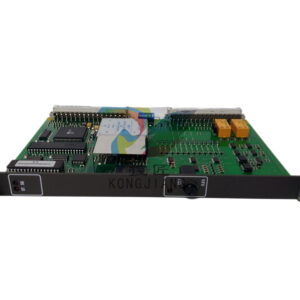
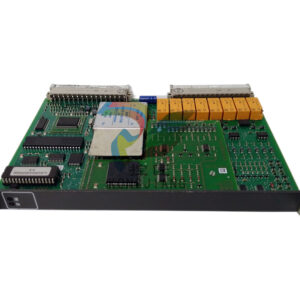
The electronics module processes measurement information from the analyzer modules and manages functions such as system operation, display, calibration control, and communication with external equipment. The modular design allows the configuration to be adapted to the required gases, analytical methods, and installation arrangement.
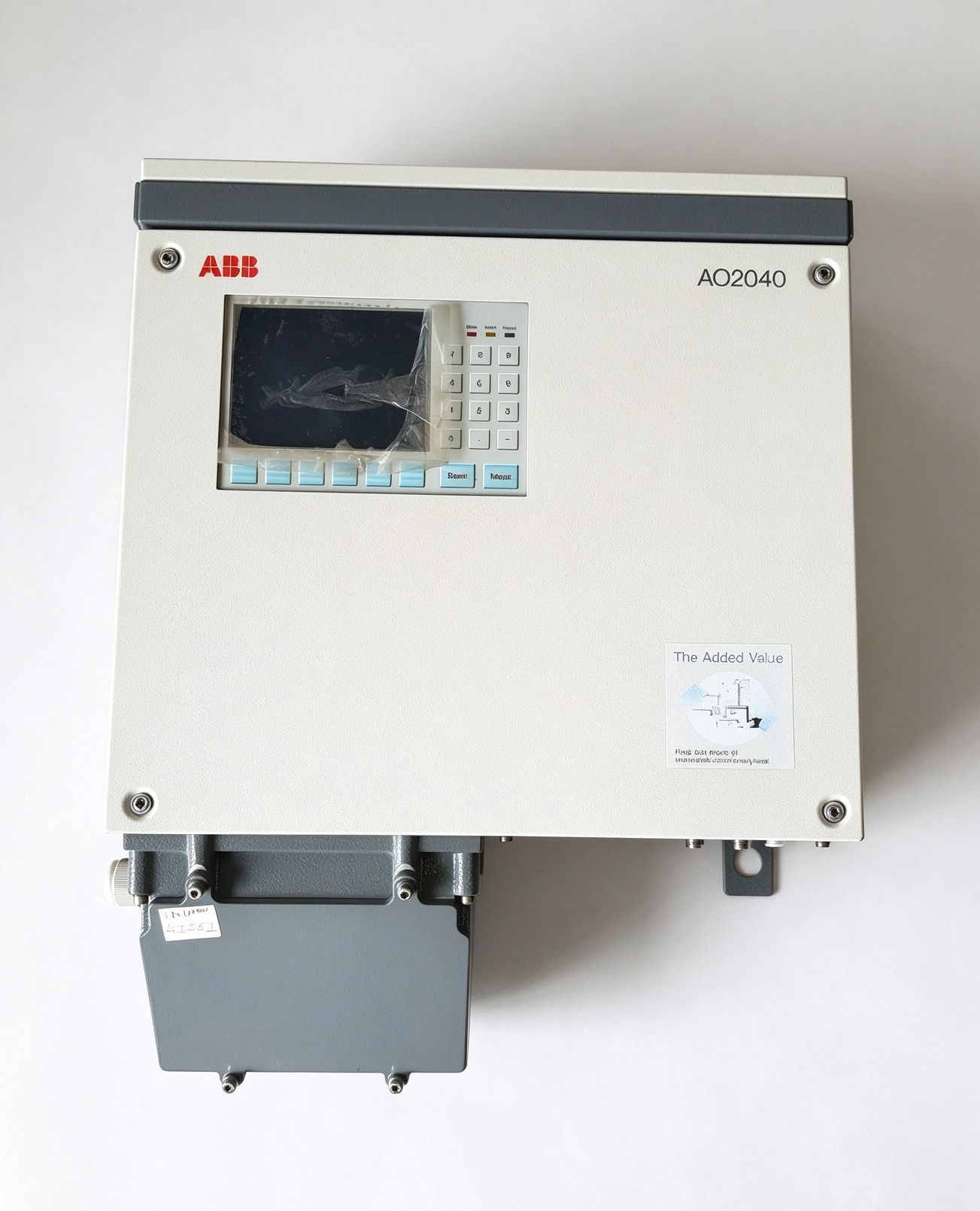
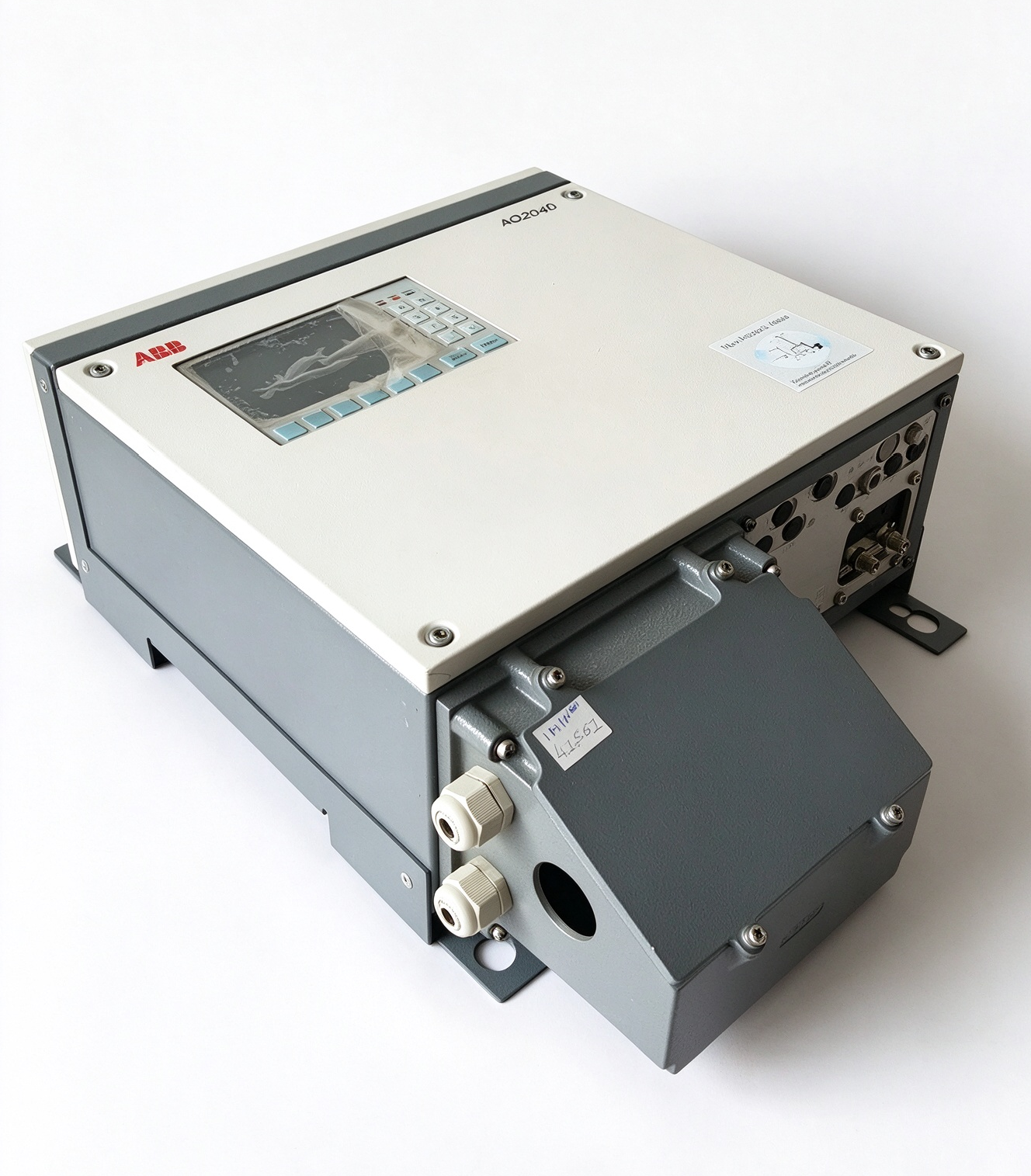
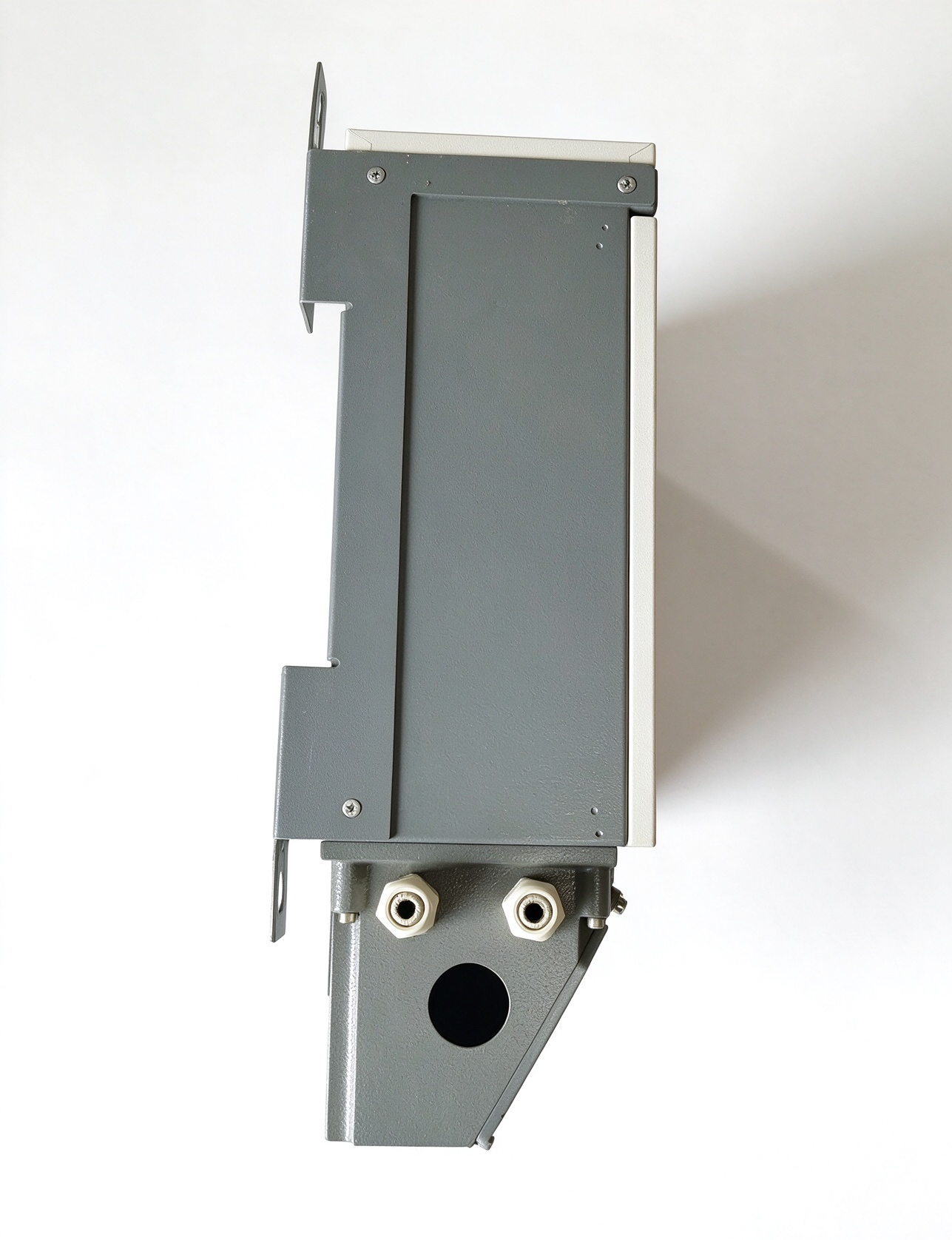
ABB offers different system formats within the AO2000 family. For example, AO2020 is associated with a 19-inch rack-mounted arrangement, while AO2040 is a wall-mounted version. Exact dimensions, enclosure protection, electrical requirements, and permitted module combinations depend on the specific model and configuration.
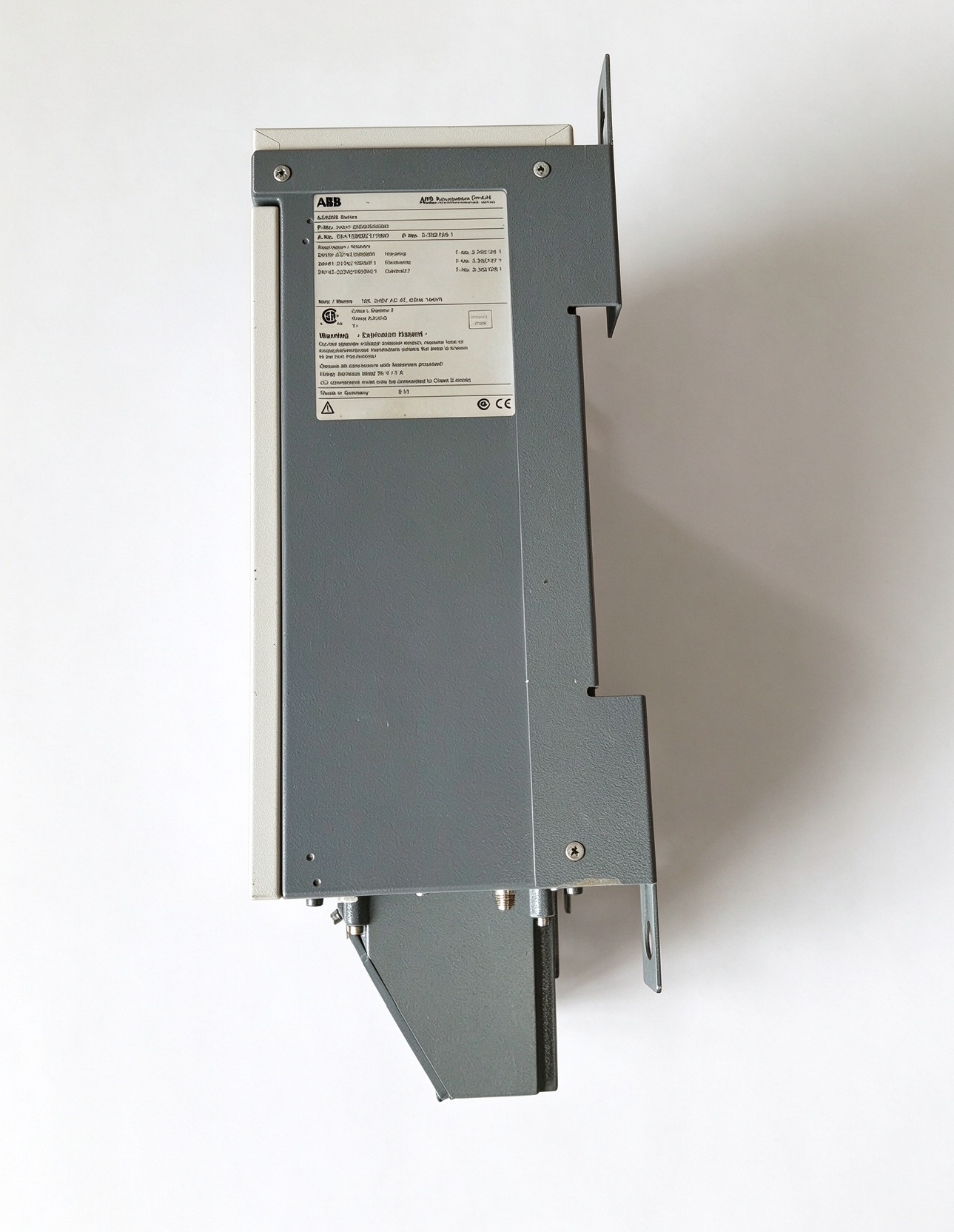
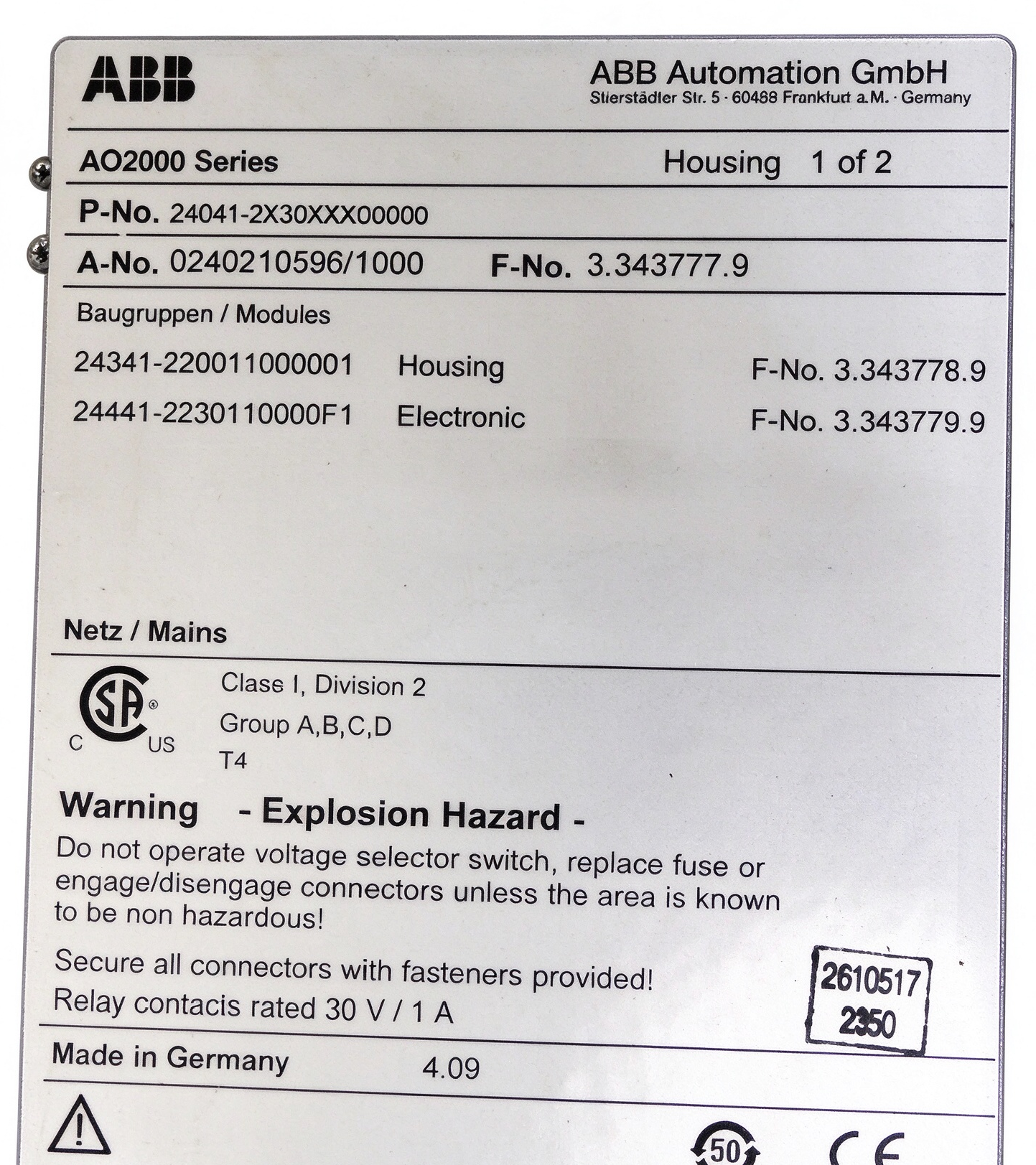
When identifying an existing system, the model designation alone may not reveal every installed analyzer or interface. The system nameplate, module identification labels, configuration records, and wiring documentation should be checked to establish the complete equipment arrangement.
Available Gas Analysis Technologies
The AO2000 platform supports different analytical technologies for different gas measurement tasks. Module selection depends on the target component, concentration range, sample composition, operating conditions, and required measurement performance.
Infrared Photometry
The Uras26 infrared photometer is one of the analytical technologies associated with the AO2000 platform. Infrared absorption measurement can be used for gases that have suitable absorption characteristics. Depending on the selected configuration, applications may include measurements involving carbon monoxide, carbon dioxide, methane, and other supported gas components.
Ultraviolet Photometry
The Limas21 UV process photometer supports ultraviolet absorption measurements for selected gas components. The suitable measurement range and target gases depend on the module version and application configuration. This technology can be applied in process monitoring and emissions measurement when the required analytical conditions are met.
Oxygen Analysis
Compatible oxygen analyzer modules can be used when oxygen concentration is an important process variable. The AO2000 family includes different oxygen measurement technologies, such as paramagnetic and other module-specific methods. The appropriate technology depends on the sample gas, required measuring range, and installation conditions.
Thermal Conductivity Analysis
Thermal conductivity analyzer modules are designed for gas mixtures whose components can be distinguished through differences in thermal conductivity. Depending on the selected module and calibration, applications can include measurement tasks involving hydrogen and other gases.
Flame Ionization Detection
The Fidas24 analyzer is associated with hydrocarbon measurement applications. Flame ionization detection is commonly used for monitoring hydrocarbon concentrations in suitable process and emissions applications. The applicable gas components, operating requirements, and installation conditions must be verified for the specific analyzer configuration.
Continuous Measurement and Process Monitoring
Continuous gas analysis provides measurement information that can help operators understand changing process conditions. When integrated into a suitable control system, the AO2000 can supply analytical data for process supervision, operating adjustments, and compliance monitoring.
Depending on the installed modules, the system can be configured to measure individual gas components or multiple components. ABB documentation describes configurations capable of combining up to four analyzer modules and measuring up to six sample components. These figures describe supported system configurations and do not mean that every AO2000 unit has the same measurement capacity.
Measurement results depend on the analytical module, sample gas composition, calibration, sample conditioning, and operating environment. Gas temperature, pressure, moisture, dust, corrosive compounds, and other interfering substances may influence the measurement system and must be considered during application engineering.
Industrial Applications
The ABB Advance Optima AO2000 series is used in applications requiring continuous process gas analysis or emissions monitoring. Typical application areas include power generation, chemical production, cement manufacturing, iron and steel production, industrial gas processing, and other process industries.
In emissions monitoring, compatible configurations can measure selected components in combustion or exhaust gases. Depending on the installed modules, measurement tasks may include oxygen, carbon monoxide, nitrogen oxides, sulfur dioxide, and other supported components. The exact analytical scope must be confirmed against the module specifications and project requirements.
In cement plants, gas measurement can support monitoring of selected process stages and combustion conditions. In chemical and industrial gas applications, the analyzer may be configured to monitor gas composition at designated process points. The sample handling arrangement must be designed for the actual gas composition, pressure, temperature, and contamination level.
AO2000 systems can also be incorporated into broader measurement installations that include sample probes, heated sample lines, gas conditioning equipment, and centralized analysis components. Such complete systems require engineering appropriate to the measurement task and installation environment.
Sample Conditioning and System Configuration
Reliable gas analysis depends on more than the analyzer module alone. The sample must reach the analyzer under conditions suitable for the selected measurement technology. Depending on the application, a complete installation may require a sampling probe, sample transport lines, filters, gas coolers, pumps, flow monitoring, and other conditioning components.
Moisture, particulate matter, corrosive compounds, and unstable sample conditions can affect measurement performance if they are not addressed by the system design. Sample conditioning requirements should therefore be established from the gas composition, process conditions, measurement objectives, and the manufacturer’s instructions.
The AO2000 System is a broader gas analysis solution built around AO2000-series analyzers and associated sample handling equipment. It should be distinguished from an individual analyzer unit because the complete system may contain additional components and have application-specific configuration requirements.
Communication and Integration
The AO2000 platform supports communication and integration options for exchanging measurement information with external control and monitoring systems. Depending on the installed interfaces and configuration, available options may include Ethernet-based communication, PROFIBUS, Modbus, and OPC-related integration.
These interfaces can help integrate gas measurement into plant control systems, supervisory platforms, and process monitoring applications. Supported protocols, interface hardware, configuration parameters, and available data points must be verified for the actual analyzer and installed communication modules.
When planning a replacement or system modification, verify the existing interface type, wiring, communication settings, and connection requirements. A unit from the same product family may not automatically provide the same communication functions if its hardware configuration differs.
Calibration and Maintenance
Calibration and maintenance procedures depend on the analyzer technology, target gases, sample conditions, and installed system configuration. Some AO2000 configurations support automatic calibration functions using suitable calibration gases or integrated calibration arrangements. The availability and implementation of these functions must be confirmed for the specific installation.
Routine maintenance may involve inspection of the analyzer, sample conditioning components, filters, flow paths, electrical connections, and calibration arrangements. Maintenance intervals should be determined from the applicable ABB documentation, operating conditions, and the requirements of the installed measurement system.
If measurement values become unstable or deviate from expected process conditions, troubleshooting should consider sample flow, sample conditioning, calibration status, analyzer diagnostics, and the condition of the installed module. Fault indications and maintenance procedures should be evaluated using the documentation applicable to the specific analyzer.
Installation and Replacement Considerations
Before replacing an AO2000 component, identify the complete model designation and module part number. The AO2000 family contains different analyzer technologies, electronics modules, interface boards, power supplies, housings, and other components that are not necessarily interchangeable.
Verify the target gas, measurement principle, electrical ratings, mechanical arrangement, interface requirements, software or configuration compatibility, and applicable approvals. For a complete analyzer system, also check the sample conditioning equipment and the relationship between the analyzer modules and the system controller.
Installation, electrical work, calibration, and commissioning should be carried out by qualified personnel in accordance with the relevant manufacturer instructions and local safety requirements. Where the analyzer is used in a hazardous area or with flammable, toxic, or corrosive gases, the selected configuration and installation method must satisfy the applicable safety requirements.
Technical Information Summary
- Manufacturer: ABB
- Product family: Advance Optima AO2000
- Product type: Modular continuous gas analyzer series
- Primary functions: Process gas analysis and emissions monitoring
- System architecture: Modular analyzer, electronics, power supply, housing, and optional supporting components
- Analyzer technologies: Infrared photometry, ultraviolet photometry, oxygen analysis, thermal conductivity, flame ionization, and other compatible options
- System capacity: Up to four analyzer modules and up to six sample components in supported configurations
- Communication: Available options depend on the installed interfaces and configuration
- Typical industries: Power generation, cement, chemical processing, steel production, and industrial gas applications
This summary describes the AO2000 product family rather than a single configured analyzer. Confirm exact measurement ranges, target gases, power requirements, dimensions, interfaces, and approvals against the technical documentation for the specific model and module combination.
Conclusion
The ABB Advance Optima AO2000 is a modular continuous gas analyzer platform designed to support a range of industrial process measurement and emissions monitoring tasks. Its configurable analytical technologies and system architecture allow different measurement requirements to be addressed through compatible analyzer modules and supporting equipment.
For equipment identification, maintenance, or replacement, the complete model designation and installed module information are essential. Confirming the analytical technology, measurement requirements, communication interfaces, and sample conditioning arrangement helps establish whether a particular AO2000 component is suitable for the intended application.
评价
目前还没有评价