
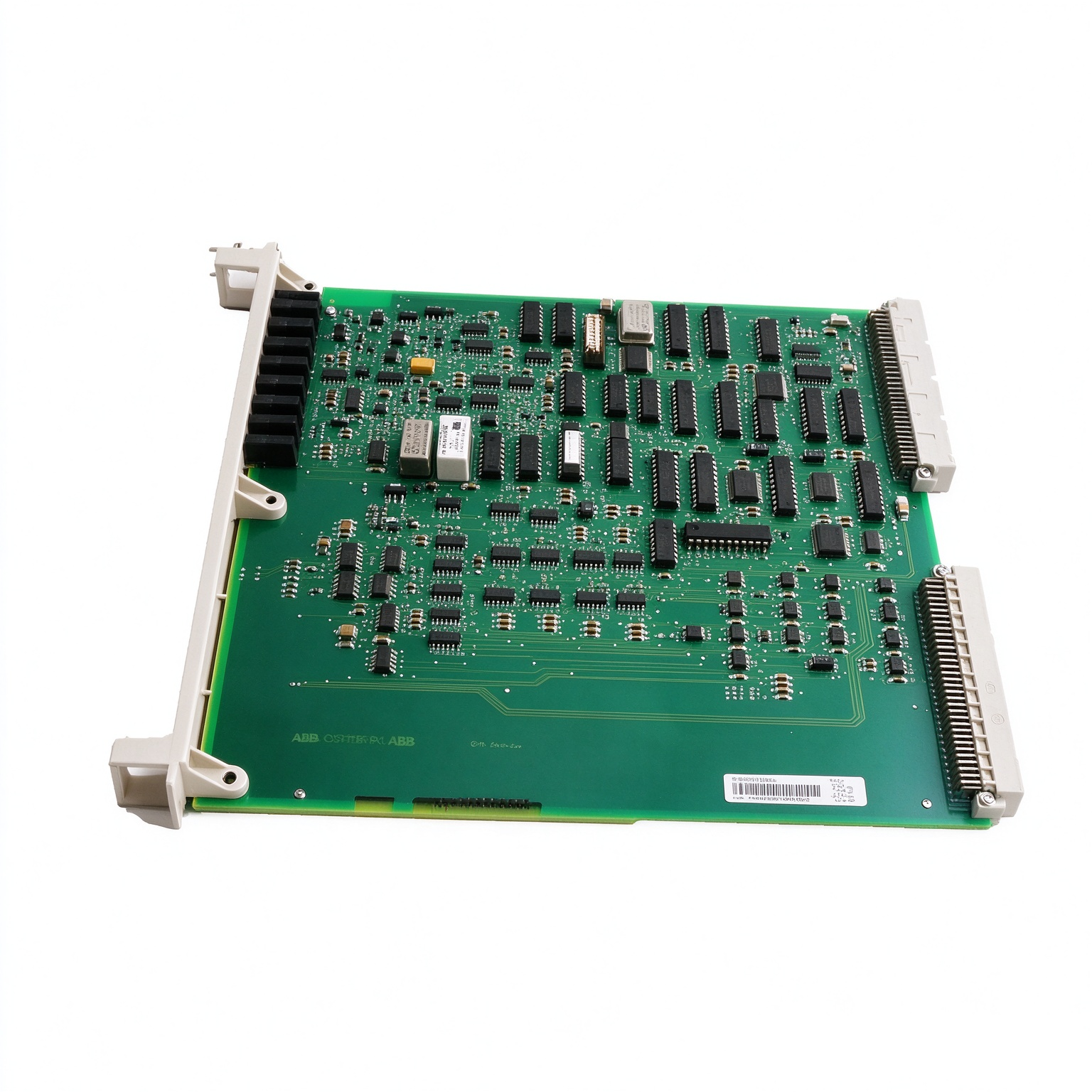
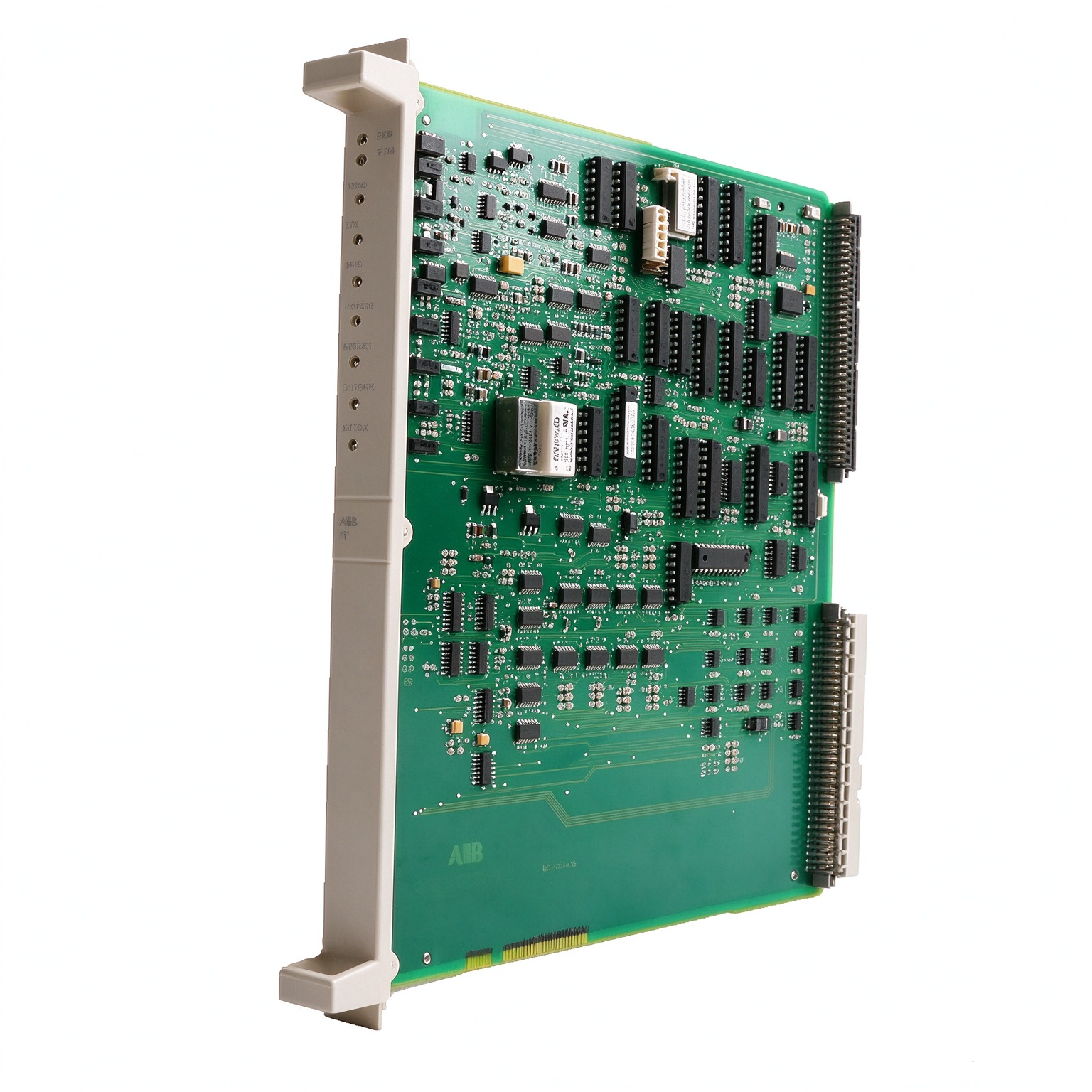
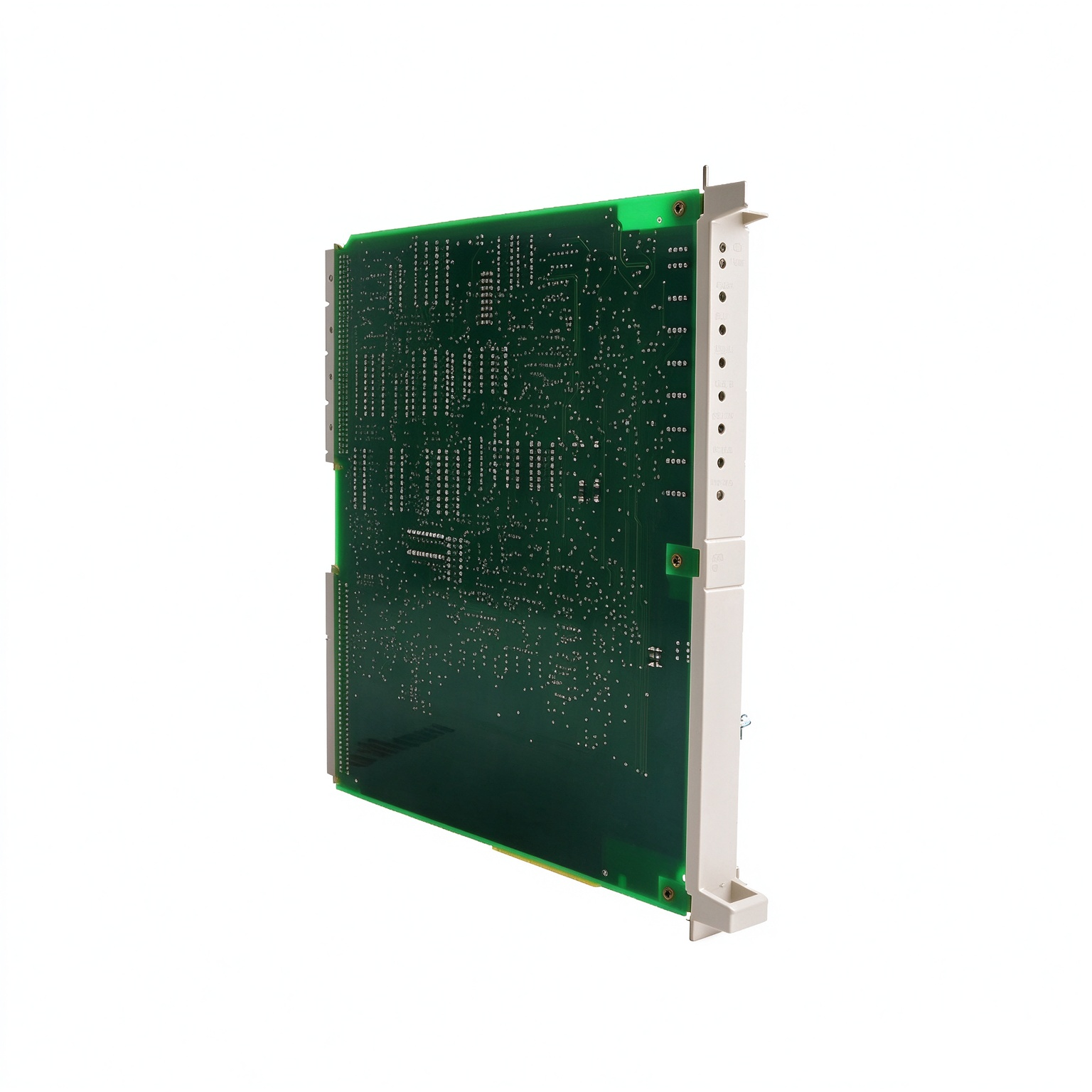
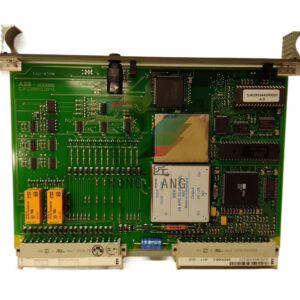
ABB 3BHB007209R0102 XVC767AE102 Industrial Control Module
The ABB 3BHB007209R0102 is an industrial automation component
identified in supplier references alongside the designation
XVC767AE102. Accurate product identification is essential when
selecting components for electrical equipment, industrial
control installations, and established automation systems.
Before assigning a specific technical function to this model,
its complete identification details should be checked against
the relevant ABB documentation and the installed equipment.
Product Overview
Industrial automation systems depend on coordinated hardware
components to maintain communication, execute control
functions, and support the operation of interconnected
equipment. Each component has a defined position within the
overall electrical and control architecture. Selecting the
correct part therefore requires more than matching a brand
name or a single product number. The complete model reference,
hardware designation, revision, and application must also be
considered.
ABB 3BHB007209R0102 is a reference used to identify a specific
industrial component. Some supplier listings associate it
with XVC767AE102, although the available descriptions do not
establish a consistent technical classification. For this
reason, the component should not automatically be classified
as a particular communication card, analog input module,
current monitoring board, or power semiconductor device
without supporting manufacturer documentation.
This distinction matters in industrial purchasing and
maintenance. Components that appear similar in online
catalogues may have different electrical characteristics,
internal functions, connection arrangements, or intended
equipment platforms. Reliable identification provides the
foundation for technical evaluation, replacement planning,
and integration into an existing installation.
Role in Industrial Automation Systems
Industrial control installations combine controllers,
electrical assemblies, operator interfaces, field
instrumentation, and supporting hardware. These elements
operate together to monitor process conditions and coordinate
equipment according to the application’s control strategy.
The precise responsibility of an individual component depends
on its design and its position within the system.
When evaluating ABB 3BHB007209R0102, engineers should first
establish which assembly contains the component and how that
assembly interacts with the wider installation. Relevant
information includes the cabinet designation, equipment
model, circuit reference, connector arrangement, and
identification labels on the installed hardware.
This approach helps prevent an incorrect functional
assumption from influencing procurement or maintenance
decisions. A component associated with a drive assembly,
for example, cannot be treated as interchangeable with a
controller interface or a measurement circuit simply because
both are used in industrial automation. Their operational
responsibilities and electrical requirements may be
substantially different.
Product Identification and Technical Documentation
Correct identification is particularly important when
maintaining established industrial equipment. A part number
can appear alongside a product family designation, a hardware
revision, or an internal assembly reference. These
identifiers may serve different purposes and should be
recorded separately whenever possible.
For ABB 3BHB007209R0102, the first step is to inspect the
component label and record the complete part number exactly
as printed. The XVC767AE102 designation should also be
checked if it appears on the component or its associated
documentation. Photographs of the label, connectors,
mounting points, and surrounding assembly can help clarify
the relationship between the identifiers.
The next step is to consult the applicable ABB technical
manual, parts catalogue, equipment bill of materials, or
approved maintenance documentation. These sources should be
used to confirm the official product description, electrical
requirements, intended installation, and any applicable
revision restrictions. Information copied from unrelated
catalogue entries should not be used as a substitute for
manufacturer verification.
This process is useful when a component has been removed
from equipment, when its original documentation is
unavailable, or when multiple supplier descriptions disagree.
Maintaining a clear record of verified identification details
also improves future purchasing accuracy and reduces the
likelihood of ordering an incompatible part.
System Integration and Compatibility
Compatibility must be established before ABB 3BHB007209R0102
is selected for an existing installation. A matching part
number is an important starting point, but it is not always
sufficient when the installed assembly has undergone
modifications or hardware revisions.
The equipment manufacturer, system family, installed
hardware revision, electrical interface, and mechanical
configuration should be reviewed together. Where applicable,
engineers should also verify connector pin assignments,
power requirements, grounding arrangements, cooling
provisions, and communication interfaces. Each requirement
must be confirmed from documentation relevant to the actual
component.
If the component is intended to replace an installed unit,
the original part number and any suffixes should be compared
with the proposed replacement. A similar model designation
does not necessarily establish direct interchangeability.
Revision differences may affect configuration requirements,
system recognition, or the suitability of a component for a
particular assembly.
In systems with configuration software or parameter settings,
maintenance personnel should determine whether replacement
requires additional commissioning procedures. Any necessary
configuration transfer, calibration, or system checks must
follow the instructions for the verified hardware and the
equipment in which it operates.
Industrial Applications and Equipment Maintenance
Industrial automation components are used across production,
processing, energy, and infrastructure installations. Their
specific applications vary according to the equipment
platform and the function assigned by the system designer.
ABB hardware may be encountered in complex installations
where component identification and lifecycle management
are important aspects of routine maintenance.
For an installation containing ABB 3BHB007209R0102,
maintenance planning should begin with an understanding of
the original equipment architecture. Engineers should
establish whether the component is part of a control
assembly, a drive-related installation, an electrical
monitoring circuit, or another equipment subsystem before
determining the applicable service procedure.
Maintenance records should include the equipment location,
component identifier, observed symptoms, relevant diagnostic
information, and the outcome of any approved corrective
action. These records help distinguish a component fault
from issues involving connectors, wiring, external power,
configuration, or associated hardware.
A systematic maintenance process is more reliable than
replacing components solely on the basis of a general fault
message. The surrounding circuit and connected equipment
should be assessed using the appropriate service procedures.
Where electrical hazards are present, work must be carried
out by qualified personnel under the site’s isolation and
safety requirements.
Inspection and Handling Considerations
Electronic and electrical components require appropriate
handling during inspection, storage, installation, and
removal. Before examining ABB 3BHB007209R0102, maintenance
personnel should follow the safety instructions for the
associated equipment and ensure that hazardous energy sources
have been isolated where required.
Visual inspection may include checking the component label,
connector condition, mounting features, signs of overheating,
physical damage, and contamination. These observations can
support fault investigation, but visual appearance alone
cannot establish the internal condition or complete
functional status of a component.
Appropriate electrostatic discharge precautions should be
applied when the component’s construction and manufacturer
instructions require them. Storage and handling practices
should also protect electrical contacts and sensitive
assemblies from moisture, dust, impact, and other
environmental factors.
Installation should follow the applicable technical
documentation, including connector orientation, fastening
requirements, grounding provisions, and any specified
commissioning checks. Unverified wiring changes, improvised
adapters, or assumptions about connector compatibility
should be avoided.
Selection Criteria for Replacement Components
When sourcing ABB 3BHB007209R0102, purchasing personnel and
maintenance engineers should work from the same verified
technical reference. This reduces the risk of selecting a
component that shares a similar designation but differs in
its intended application or hardware configuration.
A practical selection review should cover the complete part
number, associated model designation, equipment family,
hardware revision, and any manufacturer-defined replacement
relationships. The original equipment documentation should
be used to determine whether an alternative identifier is
approved for the specific installation.
If the available information is incomplete, additional
photographs and equipment details should be collected before
making a final compatibility decision. These may include
the component nameplate, assembly identification, cabinet
reference, and the model of the equipment in which the
component operates.
This verification process supports more accurate technical
communication between purchasing teams, suppliers, and
maintenance engineers. It also helps establish a traceable
record of why a particular component was selected for a
maintenance or replacement requirement.
Frequently Asked Questions
What is ABB 3BHB007209R0102?
ABB 3BHB007209R0102 is an industrial component identifier
associated with XVC767AE102 in some supplier references.
Its exact official product classification should be verified
against the component label and applicable ABB documentation.
Is XVC767AE102 the same as 3BHB007209R0102?
Supplier references associate these identifiers, but that
association should be confirmed using manufacturer records
or the documentation supplied with the installed equipment.
Do not assume that similar identifiers establish
interchangeability.
Can this component replace an existing ABB unit?
Replacement suitability depends on the original component,
equipment platform, hardware revision, and applicable
technical requirements. Confirm these details before
installation or commissioning.
Where can its technical specifications be confirmed?
Consult the applicable ABB product documentation, equipment
parts list, nameplate, and approved service information.
These references should establish the verified electrical,
mechanical, and functional requirements for the specific
installation.
Conclusion
ABB 3BHB007209R0102 requires accurate identification before
it is assigned a specific technical role or selected for
replacement. The associated XVC767AE102 designation can
provide a useful starting point for investigation, but
conflicting catalogue descriptions make manufacturer
verification particularly important.
By checking the complete part number, confirming the
equipment platform, reviewing the applicable technical
documentation, and evaluating installation requirements,
engineers can make more informed decisions about system
integration and maintenance. A documentation-based approach
helps protect equipment compatibility and supports reliable
lifecycle management in industrial automation environments.

评价
目前还没有评价