
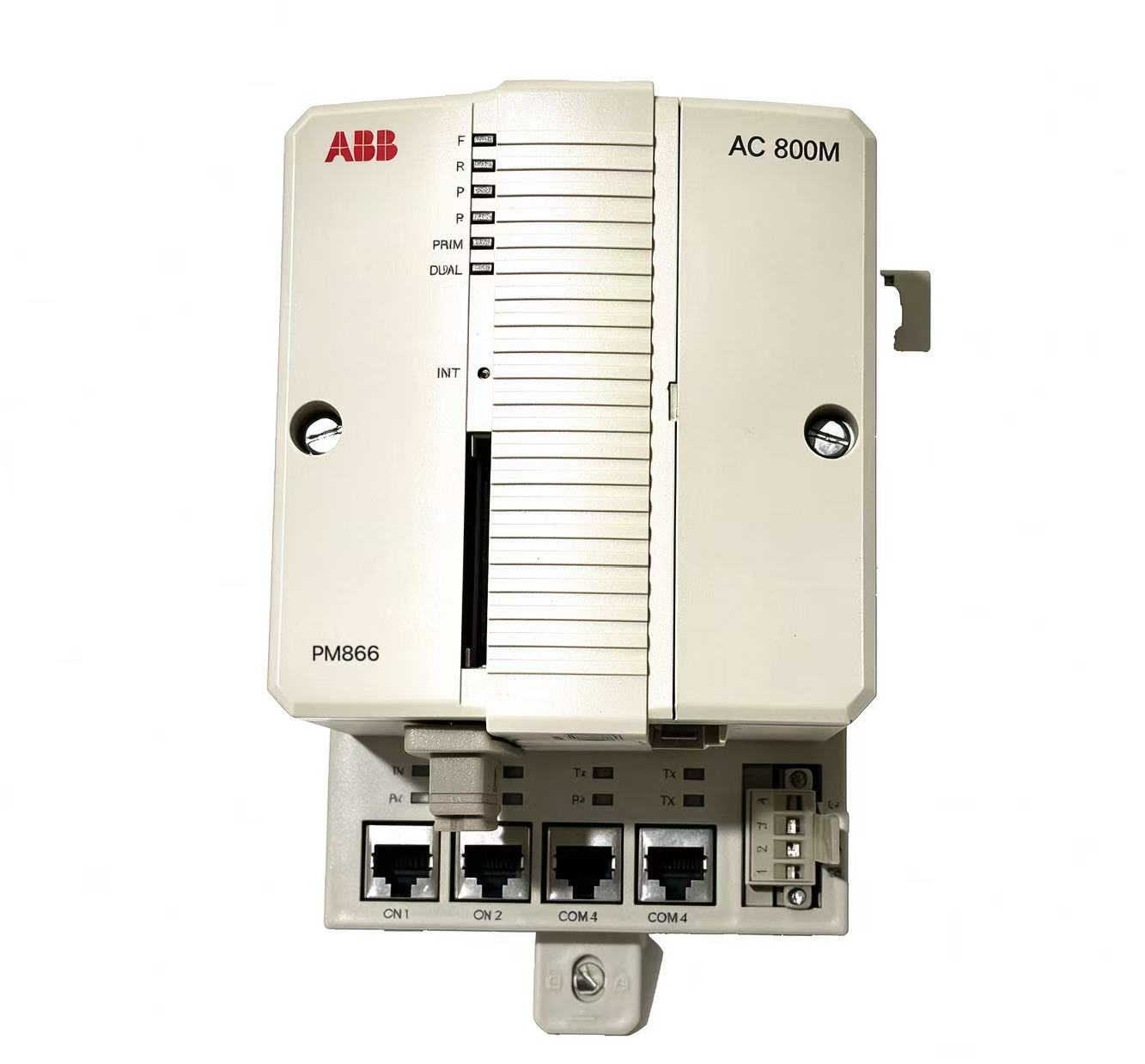
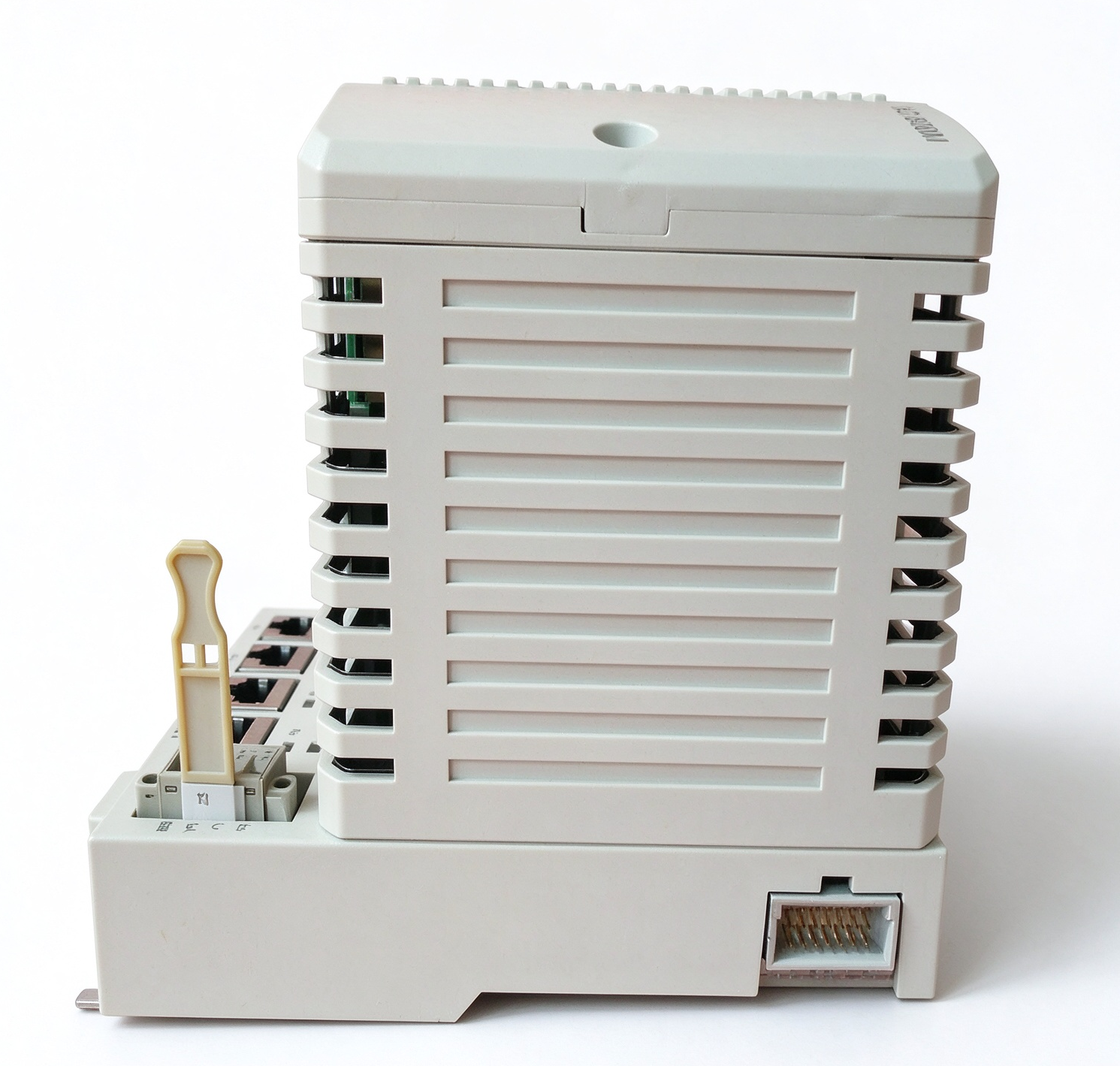
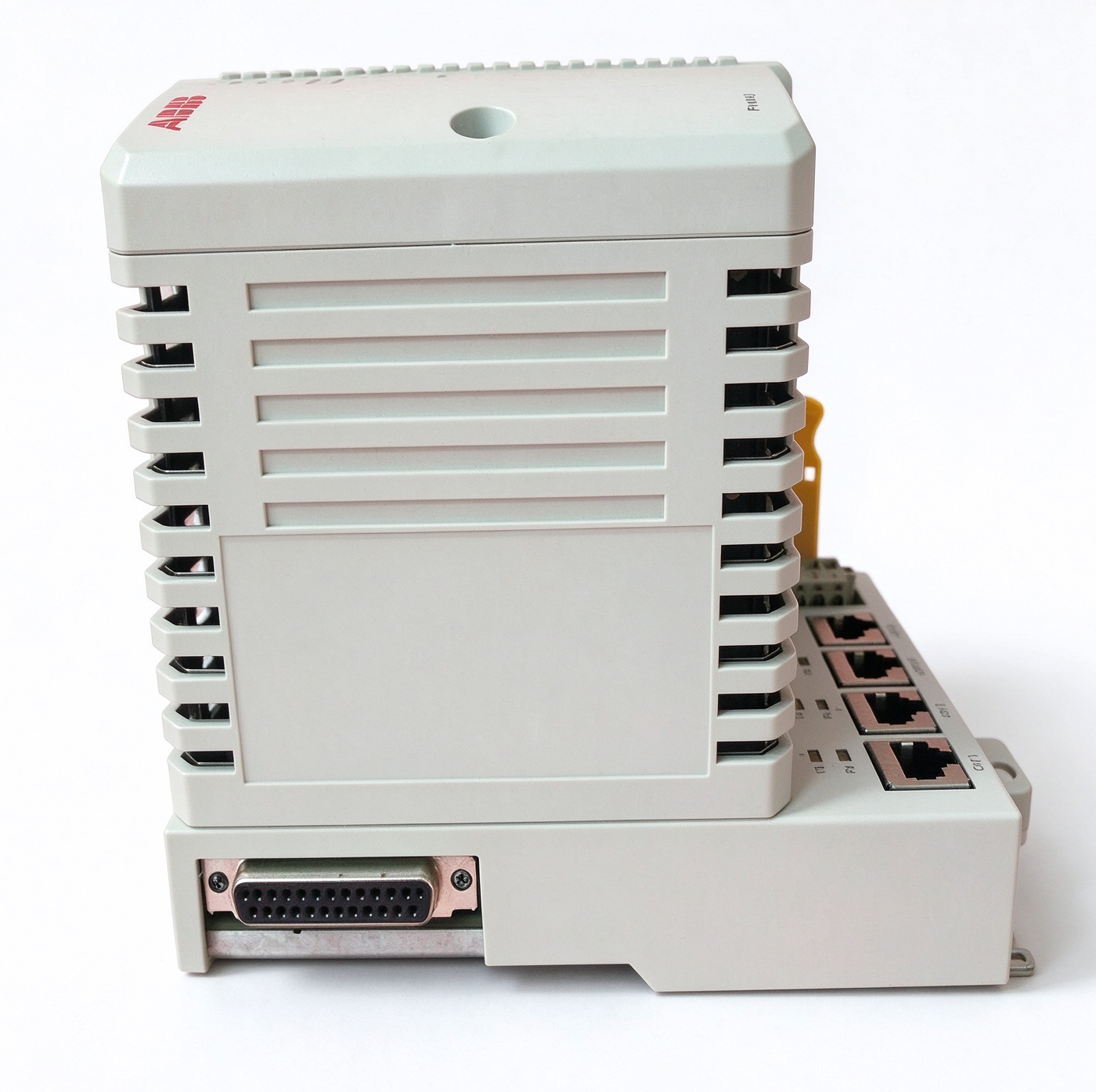
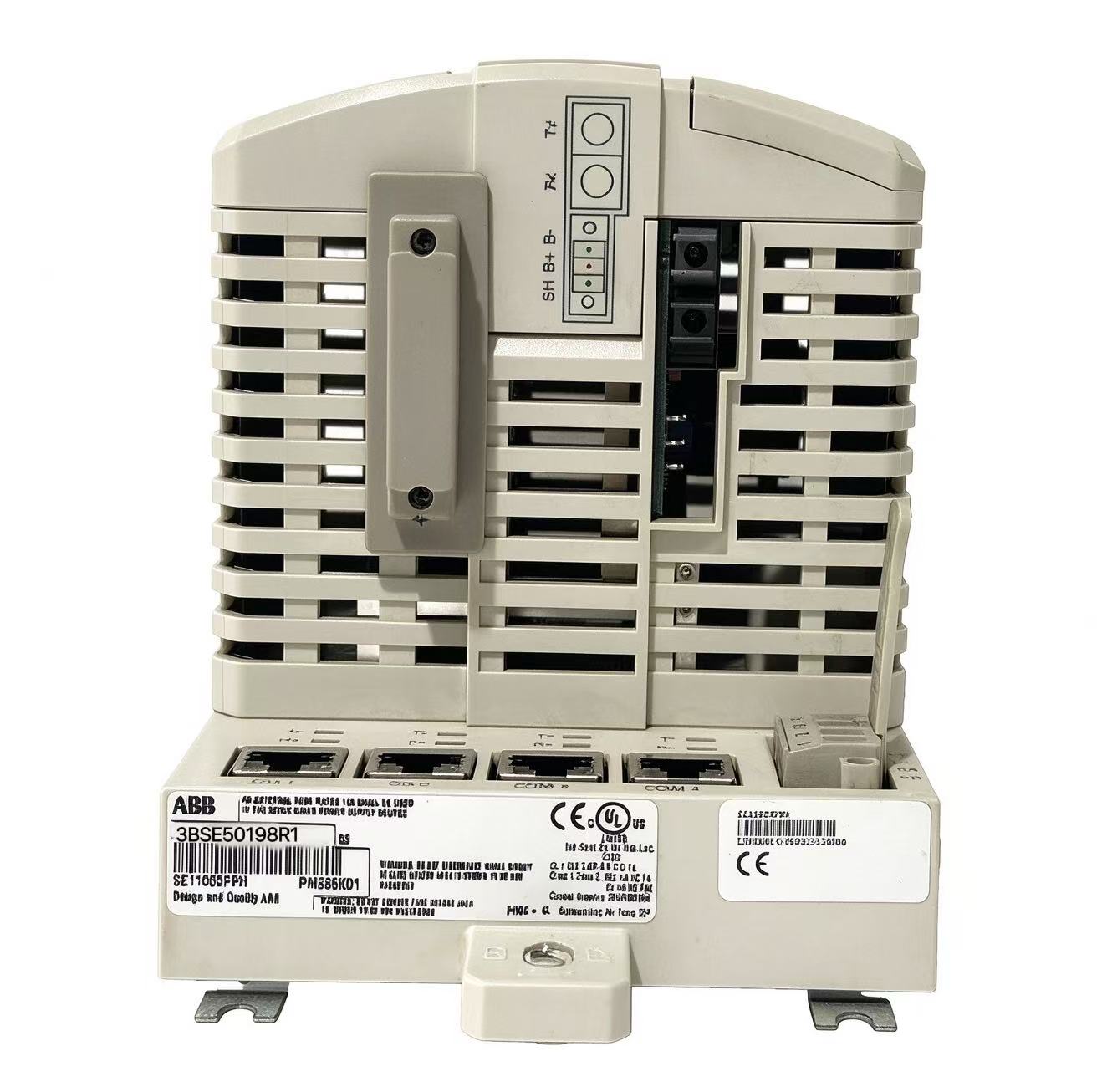
ABB PM866K01 3BSE050198R1 AC 800M Processor Unit
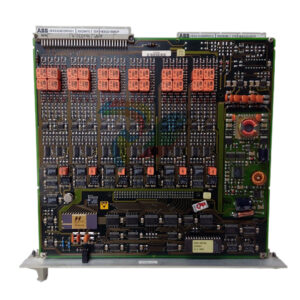
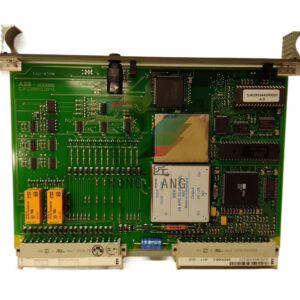
The ABB PM866K01, identified by order number 3BSE050198R1, is a processor unit associated with the ABB AC 800M automation platform. It provides the central processing functions required by a programmable industrial controller, enabling the execution of control applications and coordination of connected automation equipment. The unit is intended for integration into a compatible AC 800M controller configuration.
Product Overview
The PM866K01 belongs to the ABB AC 800M controller family, which is used in industrial automation and process control environments. Within a controller system, the processor unit executes application logic, manages controller operations, and coordinates data exchange with supported communication interfaces and connected system components.
The order number 3BSE050198R1 identifies the PM866K01 processor unit configuration. Product documentation associates this configuration with a 133 MHz processor and 64 MB of memory. These characteristics distinguish it from other AC 800M processor variants and should be checked when comparing hardware configurations or planning a replacement.
The processor unit is part of a larger automation architecture rather than an independent control solution. Its application depends on the controller baseplate, power arrangement, communication connections, engineering environment, application software, and the I/O modules used by the installed system. A suitable configuration must therefore be verified as a complete system.
Processor Architecture and Control Functions
The processor is responsible for executing the control application and maintaining the operational logic configured for the target process. Depending on the application, controller tasks can include processing input data, evaluating control conditions, updating output commands, handling internal variables, and exchanging information with other automation devices.
For the PM866K01, the documented 133 MHz processor and 64 MB memory form part of the unit’s hardware specification. Actual application capacity depends on the installed control software, task configuration, communication load, redundancy arrangements, and the memory resources available to the application. The nominal memory figure should not be interpreted as the amount of memory available for user logic in every configuration.
When engineering a control application, the controller’s processing and memory resources should be evaluated against the requirements of the project. This includes the number and execution frequency of tasks, the volume of data exchanged with connected devices, and the diagnostic functions required by the operating process.
Communication Interfaces
The PM866K01 configuration is documented with two Ethernet ports and two RS-232C serial ports. These interfaces support communication tasks within a compatible AC 800M system. Their actual use depends on the system design, engineering configuration, and the communication requirements of connected equipment.
Ethernet connectivity can be used as part of the controller’s control-network arrangement. Network planning should consider addressing, topology, cable routing, connected devices, and the configuration required by the installed automation software. The presence of Ethernet ports does not mean that every network protocol or topology is supported in every system revision.
The serial interfaces support applicable serial communication and service connections. Before connecting a third-party device, engineers should confirm the electrical interface, pin assignment, communication parameters, and supported protocol. Physical connector compatibility alone does not establish communication compatibility.
Where redundancy is required, the communication layout must also be checked against the intended controller architecture. Redundancy support is a system capability that depends on compatible hardware, configuration, and engineering requirements rather than a guarantee that every connected interface operates redundantly.
Controller Redundancy and Availability
Controller redundancy is an important consideration in automation installations where continuity of control is required. The PM866K01 is documented as supporting CPU redundancy in a compatible AC 800M configuration. This capability allows an appropriately designed system to use a redundant controller arrangement to improve availability.
Redundancy must be engineered using the hardware and software components specified for the target installation. Depending on the system architecture, the configuration may involve a second processor unit, compatible baseplates, communication connections, and the appropriate redundancy links or accessories. The required hardware should be confirmed against the applicable ABB documentation.
A redundant design also requires a suitable application configuration and a defined commissioning procedure. Engineers should verify controller synchronization, communication status, I/O behavior, alarms, and recovery procedures as part of system acceptance. A processor’s support for redundancy does not establish that an existing installation is configured for redundant operation.
Integration with the ABB AC 800M Platform
The AC 800M platform is a modular control architecture used in industrial process and automation applications. The PM866K01 performs the controller processing role within a compatible configuration, while other hardware components provide mounting, I/O connectivity, communication expansion, and supporting functions.
Correct integration requires attention to the baseplate and accessories specified for the processor unit. The documented PM866K01 kit is associated with a TP830 baseplate and applicable bus termination accessories. The exact package contents should be confirmed from the order documentation and the physical inventory, especially when the unit is being used to replace an existing controller.
Engineering compatibility is equally important. Before changing a processor unit, verify the supported controller firmware, engineering tool version, application backup, I/O configuration, and communication settings. A physically compatible component may still require software or configuration checks before it can be placed into service.
Installation and Configuration Considerations
Installation should follow the applicable ABB hardware instructions and the site’s electrical safety procedures. Before handling the controller, identify the required isolation measures and observe any applicable electrostatic-discharge precautions. Mounting, termination, and connection procedures should be taken from documentation that matches the installed hardware.
During commissioning, confirm that the processor is installed in the intended position and that the required baseplate, bus termination, power supply, communication connections, and controller accessories are present. Check the status indicators and diagnostic information using the procedures defined for the system.
For replacement work, preserve the existing application backup and record relevant hardware and network settings before removing the original component. The replacement should be checked against the existing order number, hardware configuration, and supported software release. Do not assume that a different processor model can be substituted without a compatibility review.
Maintenance and Troubleshooting
Maintenance of a PM866K01-based controller should include periodic review of diagnostic messages, controller status, communication health, and the integrity of the engineering records. Any unusual status indication should be investigated using the system-specific troubleshooting procedure rather than relying solely on the appearance of the hardware.
If the controller does not start or communicate as expected, verify the documented power arrangement, hardware installation, termination, network connections, and configuration. Review the application and controller diagnostics before deciding that the processor itself is defective. Similar symptoms can result from configuration errors, incompatible components, communication faults, or issues elsewhere in the control system.
Controller application backups and configuration records should be maintained so that recovery work can be performed using the correct project version. Where redundancy is configured, maintenance procedures should account for the active and standby controller states and should follow the site’s approved change-management process.
Replacement Planning and Lifecycle Considerations
ABB system documentation lists 3BSE050198R1 as the PM866K01 processor unit and identifies its lifecycle status as Limited, with a replacement available in the referenced system inventory. Lifecycle status can vary with the documentation version and the particular product record, so the current status and approved replacement should be confirmed before making a purchasing or engineering decision.
When planning a replacement, compare the complete order number, controller type, hardware revision, firmware requirements, and required accessories. Also determine whether the existing application and engineering environment support the proposed hardware. An approved successor may involve differences in configuration or migration procedures that should be reviewed before installation.
Maintaining accurate spare-parts records helps reduce identification errors and supports long-term maintenance planning. Recording the controller model, order number, installed firmware, baseplate type, and relevant application backup provides a useful reference for future service activities.
Frequently Asked Questions
What is ABB 3BSE050198R1?
ABB 3BSE050198R1 is the order number associated with the PM866K01 AC 800M Processor Unit.
What are the main documented hardware characteristics?
The referenced configuration includes a 133 MHz processor, 64 MB memory, two Ethernet ports, two RS-232C serial ports, and support for CPU redundancy in a compatible system arrangement.
Can PM866K01 be used as a direct replacement for another AC 800M processor?
Not automatically. The intended replacement must be checked against the installed controller configuration, firmware, engineering environment, application requirements, and required accessories.
Does the order number identify the full processor kit?
The PM866K01 order configuration is associated with a processor unit and supporting hardware. Confirm the precise package contents against the applicable order documentation and the components supplied with the specific unit.
Conclusion
The ABB PM866K01 3BSE050198R1 is an AC 800M processor unit used for industrial controller applications. Its documented hardware characteristics include a 133 MHz processor, 64 MB memory, Ethernet and serial communication interfaces, and support for CPU redundancy in a compatible configuration. Proper selection and integration require verification of the full order number, system hardware, software compatibility, engineering configuration, and applicable ABB documentation.

评价
目前还没有评价