
ABB PFSK 152 Signal Concentrator Board
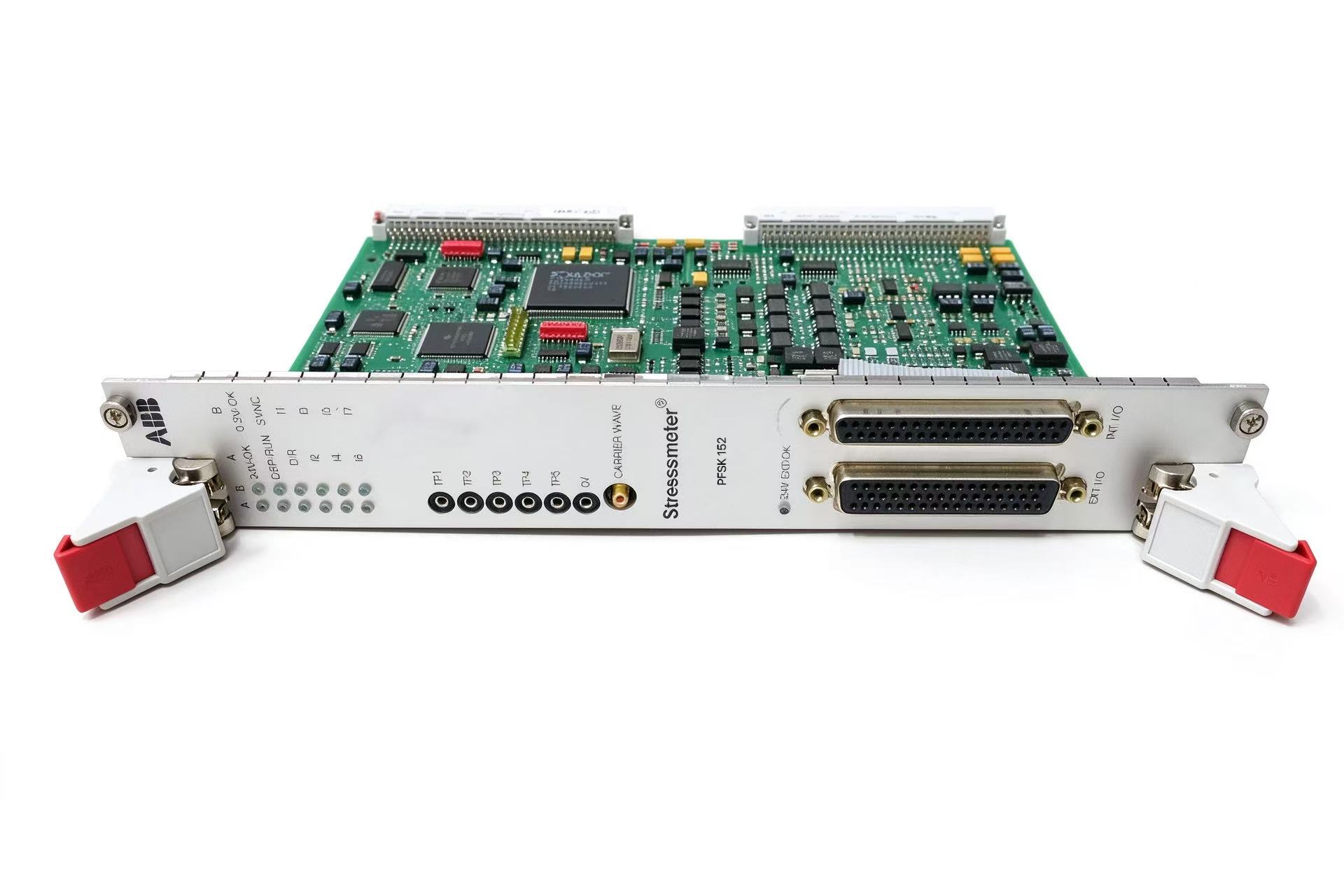
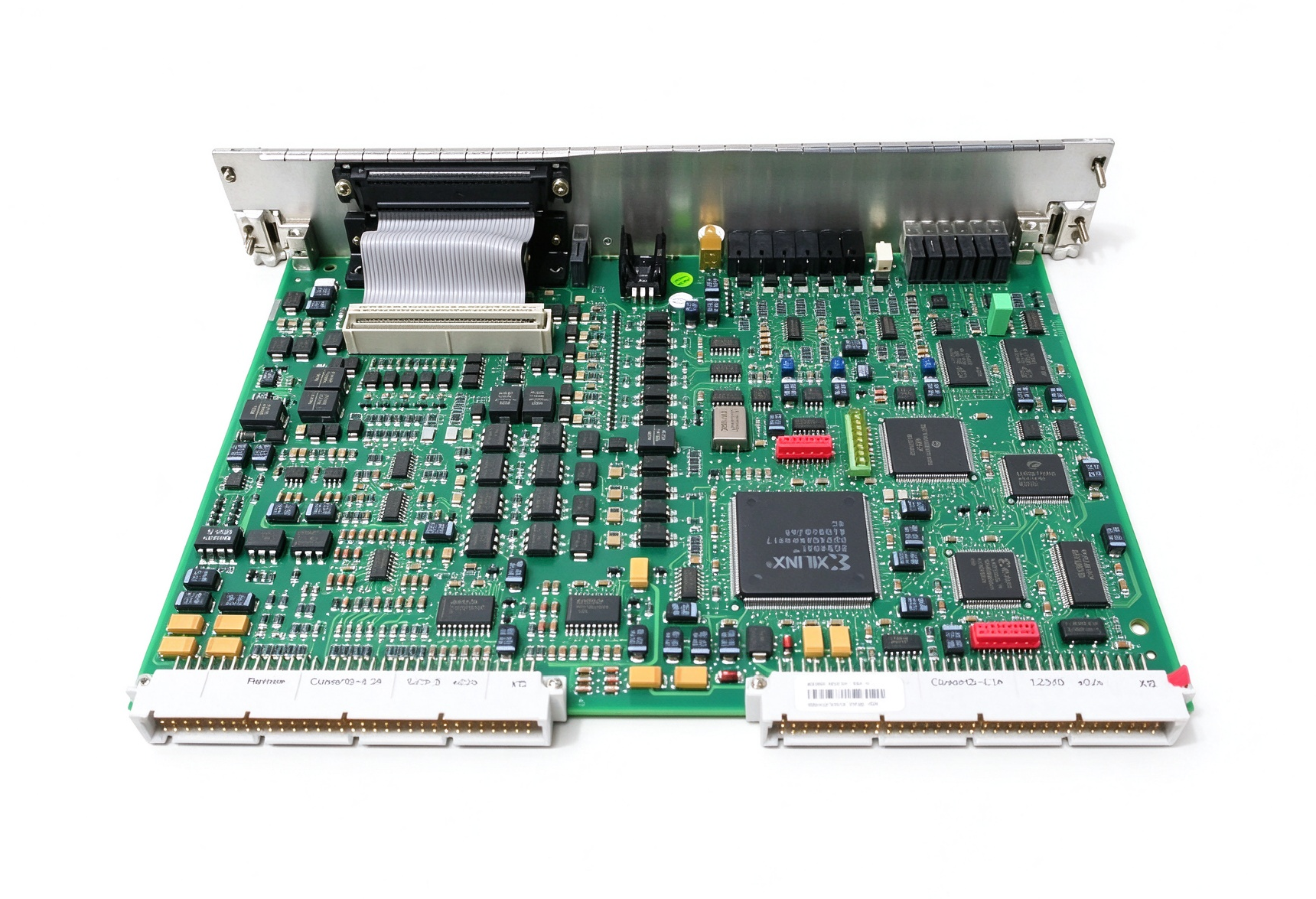
The ABB PFSK 152 is a signal concentrator board identified in ABB product documentation as connecting to DSP-UP (PLD 1.0/1). It is a hardware component intended for use within a compatible industrial automation configuration. Correct identification of the board, its order number, and its associated system is important when planning maintenance, equipment replacement, or control-system service.
Product Overview
Industrial automation systems depend on interconnected electronic assemblies to handle signals, connect functional units, and support communication between different parts of a control architecture. Each board has a defined role, and the correct hardware must be selected for the intended system configuration.
The ABB PFSK 152 is described as a signal concentrator board. ABB product documentation identifies its connection with DSP-UP (PLD 1.0/1), providing a useful reference for understanding its place within the corresponding hardware arrangement. This identification should be used when checking system documentation, component labels, and spare-parts records.
A signal concentrator board should not automatically be treated as a standalone controller, general-purpose digital input module, or fieldbus interface. Its specific role depends on the equipment it connects to and the architecture in which it is installed. The available product description does not establish every internal circuit function or supported interface, so detailed technical claims should be confirmed against the applicable hardware documentation.
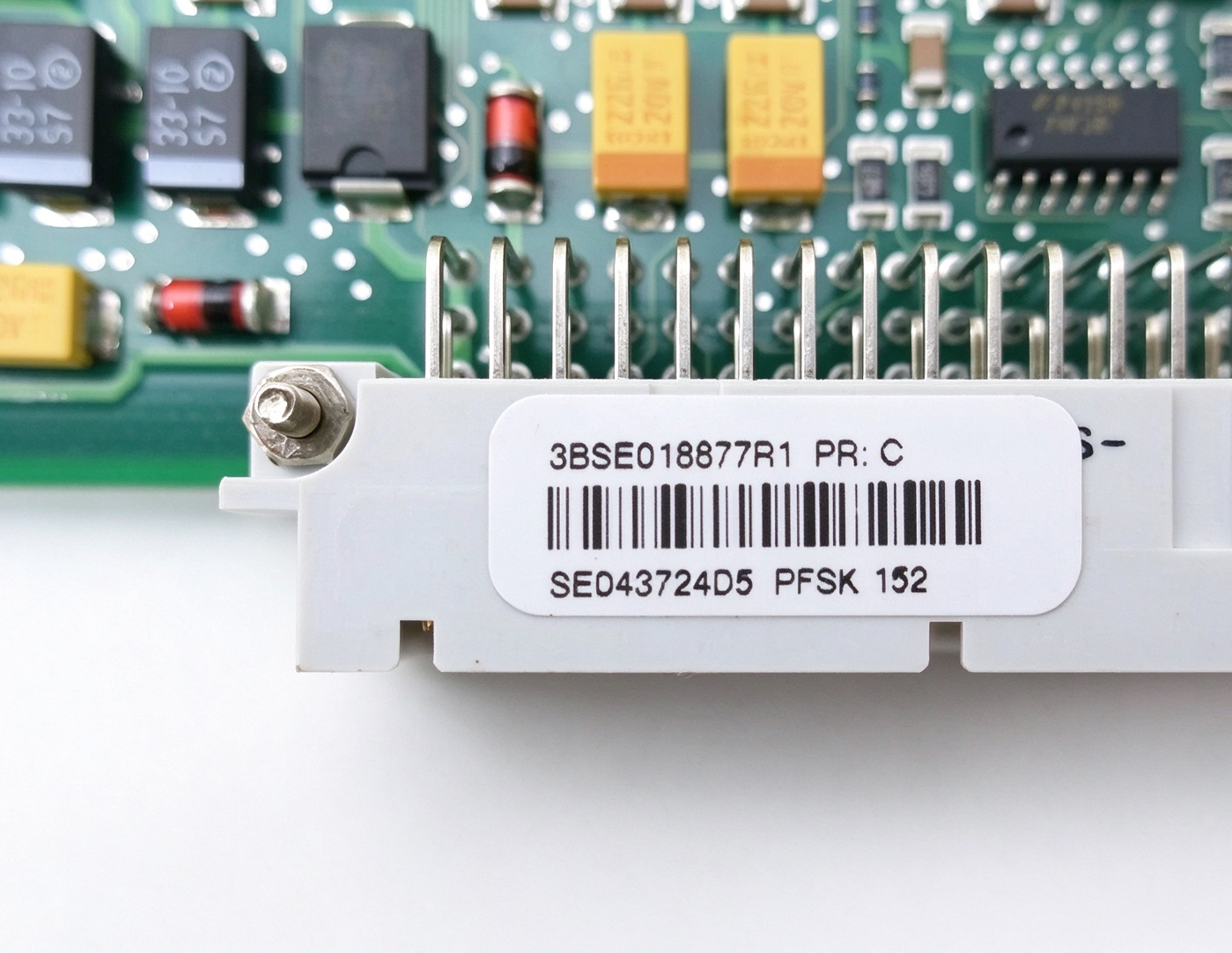
When identifying a PFSK 152 board, retain the complete model designation and order number. The suffix is particularly important because related listings show both 3BSE018877R1 and 3BSE018877R2. These identifiers should not be assumed to be interchangeable without checking the manufacturer’s documentation.
Function of a Signal Concentrator Board
In industrial electronic systems, signal-related boards help establish the intended electrical and functional connections between system components. Depending on the design, such hardware may provide a defined connection path, organize signals, or support the operation of an associated electronic unit. The precise function of a particular board must be determined from its official product description and technical drawings.
For the PFSK 152, ABB’s published product description identifies the board as connecting to DSP-UP (PLD 1.0/1). This documented relationship is the most reliable starting point when determining its role in a system. The connected hardware, the installed revision, and the surrounding control architecture should all be considered before making assumptions about its electrical behavior.
It is important to distinguish a board’s documented function from general descriptions sometimes applied to similar industrial components. A signal concentrator designation alone does not prove that the board provides analog conversion, digital I/O, independent signal processing, redundant communication, or a particular industrial network protocol.
For maintenance teams, using the official product description avoids confusion between boards that may look similar but serve different purposes. The applicable wiring diagrams, assembly documentation, and equipment parts lists should be consulted before installation or replacement.
Integration with Industrial Automation Equipment
Industrial control systems often contain multiple electronic assemblies that work together to support monitoring, control, and communication. A board associated with a particular processing or interface unit must match the hardware and system configuration for which it was designed.
The PFSK 152 is documented in connection with DSP-UP (PLD 1.0/1). When assessing its use in an existing installation, engineers should confirm the identity of the connected equipment, the relevant assembly revision, and the location of the board within the system. These details help establish whether a proposed replacement is suitable.
System integration should be based on documented compatibility rather than model-name similarity. Differences in order numbers or hardware revisions may affect the required connections, mounting arrangement, or supported system configuration. Any proposed substitution should therefore be checked against the equipment manufacturer’s information.
Where the board forms part of a larger control system, its operation may depend on other hardware assemblies and their connections. Troubleshooting should consider the complete signal path and the status of associated components rather than attributing every system fault to a single board.
Order Number and Hardware Identification
Accurate part identification is essential for industrial automation spare parts. The PFSK 152 model designation is associated with the product description “Connects DSP-UP (PLD 1.0/1).” ABB product documentation available for review identifies order number 3BSE018877R2, while some product listings identify the PFSK 152 with order number 3BSE018877R1.
These references should be handled carefully. The existence of different suffixes does not by itself establish that the versions are compatible, functionally identical, or suitable substitutes. The exact number printed on the installed board should be recorded before ordering a replacement.
During identification, check the manufacturer’s label, product designation, order number, revision markings, and any additional hardware identifiers. Compare these details with the system parts list and applicable documentation. If the original unit has been replaced previously, verify that the installed component matches the approved configuration rather than relying solely on older inventory records.
For inventory management, record the model and full order number as separate fields. This reduces the chance of mixing similar products and helps maintenance personnel select the correct board for a specific application.
Installation Considerations
Before installing or replacing a PFSK 152 board, confirm that the component is intended for the target assembly and that the complete order number matches the approved requirement. Review the relevant system drawings and manufacturer instructions to establish the correct installation procedure.
Installation should be carried out by qualified personnel familiar with the equipment and the site’s electrical safety requirements. Follow the approved isolation procedure before disturbing connections or removing hardware. Use appropriate handling precautions for electronic assemblies and avoid touching exposed contacts unnecessarily.
Check the board and associated connectors for visible mechanical damage, contamination, bent contacts, or other abnormal conditions. Do not force a board into a connector or mounting position if the fit is incorrect. Confirm the required orientation and mechanical arrangement using the applicable documentation.
After installation, verify the connections and confirm that the assembly has been restored according to the approved system configuration. Any required testing or commissioning should follow the manufacturer’s instructions and the site’s maintenance procedures.
Maintenance and Troubleshooting
When investigating a fault involving a PFSK 152 installation, begin by checking the system documentation and confirming the identity of the installed board. Review the condition of its connections and the status of the associated DSP-UP hardware. Any available diagnostic information should be interpreted using the instructions for the actual system.
A fault affecting a connected assembly does not necessarily mean that the signal concentrator board itself has failed. Problems may also arise from connected hardware, wiring, connector condition, configuration differences, or another component in the signal path. A structured diagnostic process helps distinguish these possibilities.
Before replacing the board, record the observed symptoms, system status, relevant diagnostic indications, and the part number of the installed unit. After replacement, verify that the correct hardware version has been fitted and that the system behaves according to its documented operating requirements.
Keep maintenance records updated with the board’s full order number, revision details, installation location, replacement history, and the documentation used to confirm compatibility. These records support future fault investigation and improve spare-parts accuracy.
Spare Parts Management
Industrial control systems may use multiple boards with related product designations. For this reason, spare-parts management should preserve the complete identification of each component rather than relying on a shortened model name alone.
For the PFSK 152, the distinction between 3BSE018877R1 and 3BSE018877R2 should be resolved before a purchase or replacement decision. Check the installed unit and compare it with the applicable ABB documentation. If the system’s approved parts list specifies a particular suffix, follow that requirement unless a documented replacement or compatibility statement supports another option.
Store electronic boards in suitable protective packaging and follow the manufacturer’s requirements for handling and storage. Inventory records should identify the product clearly enough that technicians can distinguish it from other PFSK-series components.
Conclusion
The ABB PFSK 152 is a signal concentrator board documented as connecting to DSP-UP (PLD 1.0/1). Its correct use depends on the intended hardware configuration and the applicable system documentation. Accurate product identification is especially important because available references show different order-number suffixes for this model.
Before selecting or replacing the PFSK 152, confirm the complete order number, hardware revision, associated equipment, and installation requirements. Using the correct documentation and maintaining accurate service records helps ensure that the board is selected and integrated appropriately within the industrial automation system.



评价
目前还没有评价