
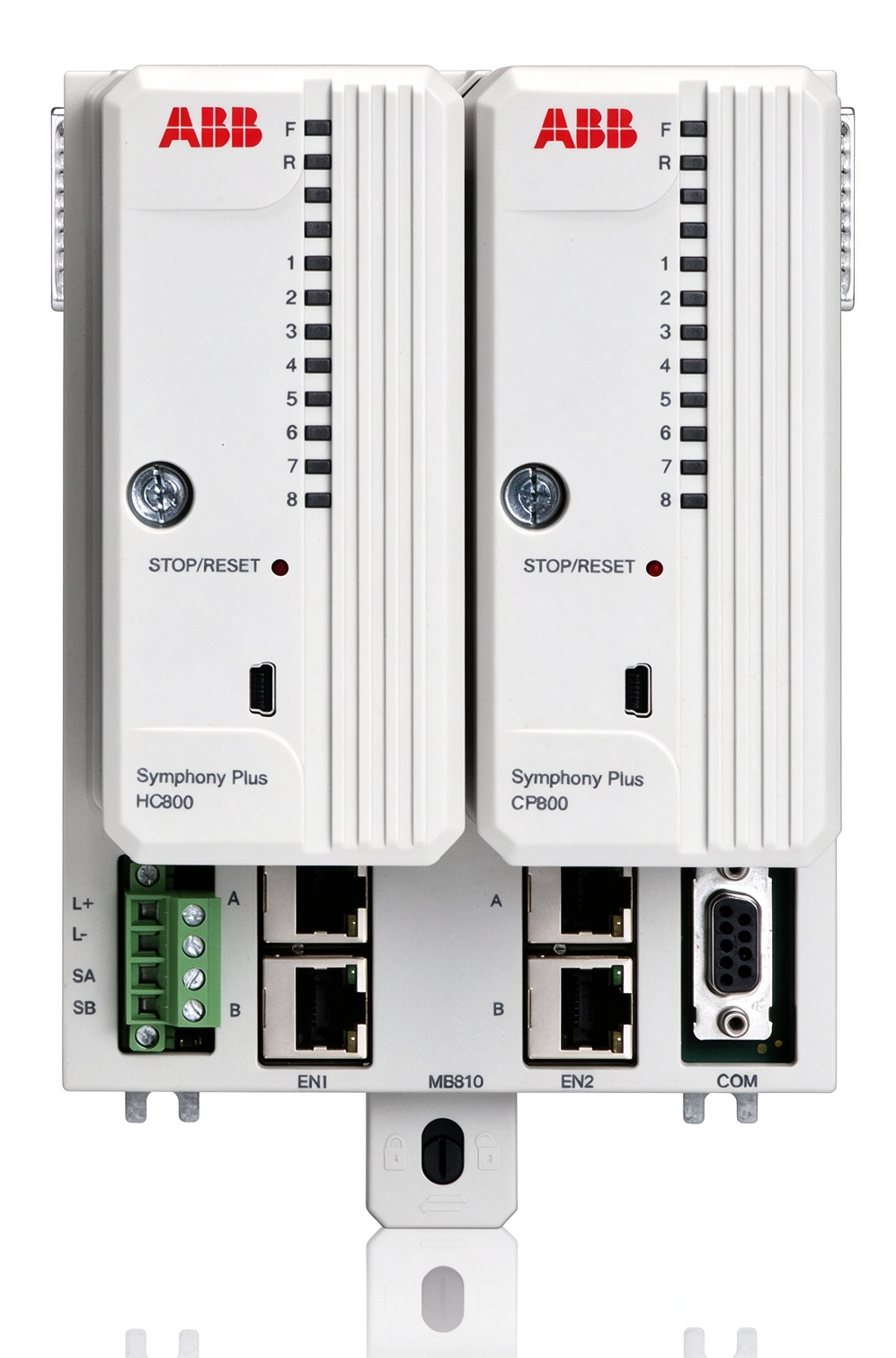
ABB CP800A Communication Processor Module
The ABB CP800A is a communication processor module designed for the HPC800A automation control platform. Its documented role is to provide PN800 Plant Network communication for HPC800A applications. It forms part of the communication infrastructure used to connect and coordinate components within an industrial control environment.
Product Overview
Industrial automation systems depend on reliable communication between control hardware, network infrastructure, and connected system components. Communication processors support this requirement by providing designated communication functions within a control platform. The ABB CP800A is identified as a Communication Processor Module of HPC800 and is associated with PN800 Plant Network communications for HPC800A.
In a distributed control environment, communication hardware must be selected according to the system architecture and the requirements of the installed control platform. A module’s model designation alone does not establish compatibility with every controller, network configuration, firmware release, or cabinet arrangement. The CP800A should therefore be evaluated against the documentation for the specific HPC800A installation.
ABB product information also identifies conformal coating as a characteristic of the CP800A. Conformal coating is a protective layer applied to electronic assemblies to help reduce the effects of certain environmental contaminants. Its presence should not be interpreted as permission to operate the module outside the environmental limits stated in the applicable technical documentation.
Communication Function
The principal documented function of the ABB CP800A is to provide PN800 Plant Network communication for HPC800A. This places the module within the communication architecture of the control system rather than identifying it as a general-purpose standalone networking device.
Plant networks allow compatible automation components to exchange information according to the system’s configured communication structure. Depending on the complete control-system design, network communication can be important for exchanging operational data, coordinating system functions, and maintaining visibility of connected components. The exact services available through a particular CP800A installation depend on the supported hardware, software, and network configuration.
When planning an installation, engineers should confirm the intended network topology, supported connections, addressing requirements, and configuration procedure from the applicable ABB documentation. These details should not be inferred from the product name alone. Network settings and system parameters must match the installed control architecture.
Role in the HPC800A Control Platform
The CP800A is associated with the HPC800A control platform. In an industrial control system, communication modules are selected as part of a coordinated hardware configuration. Their role is defined by the control platform’s architecture, the interfaces available in the system, and the communication functions required by the application.
Before selecting a CP800A for an existing installation, confirm the exact system model and the module’s supported position within that configuration. Check the applicable hardware list, installation instructions, and system engineering documentation. If the installation uses a particular software or firmware revision, verify that the proposed module is supported by that revision.
It is also important to distinguish a communication processor from a controller, power supply, or input/output module. These components have different functions and are not automatically interchangeable. A replacement should match the required communication role and the hardware requirements of the target system.
Conformal Coating and Environmental Considerations
The CP800A product information specifies conformal coating. In industrial electronics, this coating is intended to provide an additional protective layer over selected parts of an electronic assembly. It may help reduce exposure to moisture, dust-related contamination, and certain corrosive substances under conditions defined by the manufacturer.
Conformal coating does not make an electronic module waterproof, dustproof, or suitable for every industrial atmosphere. Environmental suitability depends on the module design, enclosure, installation conditions, and published operating limits. Users should consult the relevant technical documentation before placing the module in environments with condensation, chemical vapors, conductive dust, or significant temperature variation.
During inspection, avoid damaging the coating or electronic components. Do not remove protective material or apply additional chemicals unless the manufacturer provides an approved procedure. Any cleaning, repair, or rework should follow the applicable maintenance instructions and the site’s electrical safety requirements.
Installation and Integration Considerations
Installation should be performed by personnel familiar with the HPC800A control platform and the relevant electrical safety procedures. Before handling the module, identify the correct installation location and follow the system’s isolation and electrostatic-discharge precautions. The applicable hardware manual should determine how the module is mounted, connected, and commissioned.
- Verify the model: Confirm that the module label identifies CP800A and record any additional product or revision information.
- Check system compatibility: Confirm that the intended HPC800A configuration supports the module.
- Review network requirements: Establish the correct PN800 Plant Network arrangement and configuration procedure from the system documentation.
- Inspect the installation location: Check the mounting arrangement, cabinet conditions, and any applicable ventilation or environmental requirements.
- Follow handling precautions: Apply appropriate electrostatic-discharge protection and use the prescribed installation procedure.
- Verify commissioning: Use the approved system procedures to check module status and communication after installation.
Do not insert or remove the module while the system is energized unless the manufacturer explicitly permits that procedure for the specific hardware configuration. The permitted replacement method must be confirmed in the relevant manual.
Inspection and Troubleshooting
If a CP800A installation does not communicate as expected, troubleshooting should begin with the complete system configuration rather than assuming that the module itself is defective. Confirm the installed module identity, its physical seating, the specified connections, and the network configuration. Review system diagnostics and recorded alarms using the procedures available for the control platform.
Where communication is intermittent, investigate the factors identified in the system documentation, which may include network cabling, connection integrity, configuration mismatches, or faults in other components of the communication path. Change one parameter at a time and record the original configuration before making approved adjustments.
When replacing a module, compare the existing unit’s label and revision details with those of the replacement. Confirm that the replacement is approved for the application and determine whether configuration transfer, parameter restoration, or additional commissioning steps are required. Do not assume that every replacement is automatically recognized without further action.
Replacement and Compatibility Verification
The ABB CP800A should be selected according to its documented communication function and compatibility with the intended HPC800A system. A similar-looking module or one described broadly as a communication processor may have different interfaces, firmware requirements, or system responsibilities.
Before ordering a replacement, compare the complete product identification, relevant revision information, and installation requirements. Where the module is part of an operating control system, the engineering team should confirm the approved replacement procedure and any configuration dependencies. This is particularly important when maintaining an established installation where the hardware and software versions have been qualified together.
If the available product label contains additional identifiers, record them when requesting technical confirmation. These details can help establish whether the module matches the original system configuration.
Technical Information and Documentation
The confirmed product identification is ABB CP800A, described as a Communication Processor Module of HPC800. Its stated function is to provide PN800 Plant Network communications for HPC800A, and the product information specifies conformal coating.
Other details, including electrical ratings, dimensions, connector pin assignments, supported network interfaces, firmware compatibility, and installation restrictions, should be taken from the applicable ABB datasheet and hardware documentation. They should not be estimated from the model number or from specifications published for a different module.
For engineering, maintenance, or procurement purposes, retain the product identification and relevant system information together. Accurate documentation helps technicians assess compatibility, plan maintenance, and reduce the risk of selecting an unsuitable component.
Conclusion
The ABB CP800A Communication Processor Module is a hardware component for the HPC800A automation control platform, with a documented role in PN800 Plant Network communication. Its conformal-coated construction is another identified product characteristic. Correct selection and integration depend on confirming the exact system configuration and following the applicable ABB installation and maintenance documentation.
Before installation or replacement, verify the module identification, compatibility, network requirements, and commissioning procedure for the target system. These checks help ensure that the CP800A is applied according to the intended control-system design.
评价
目前还没有评价