
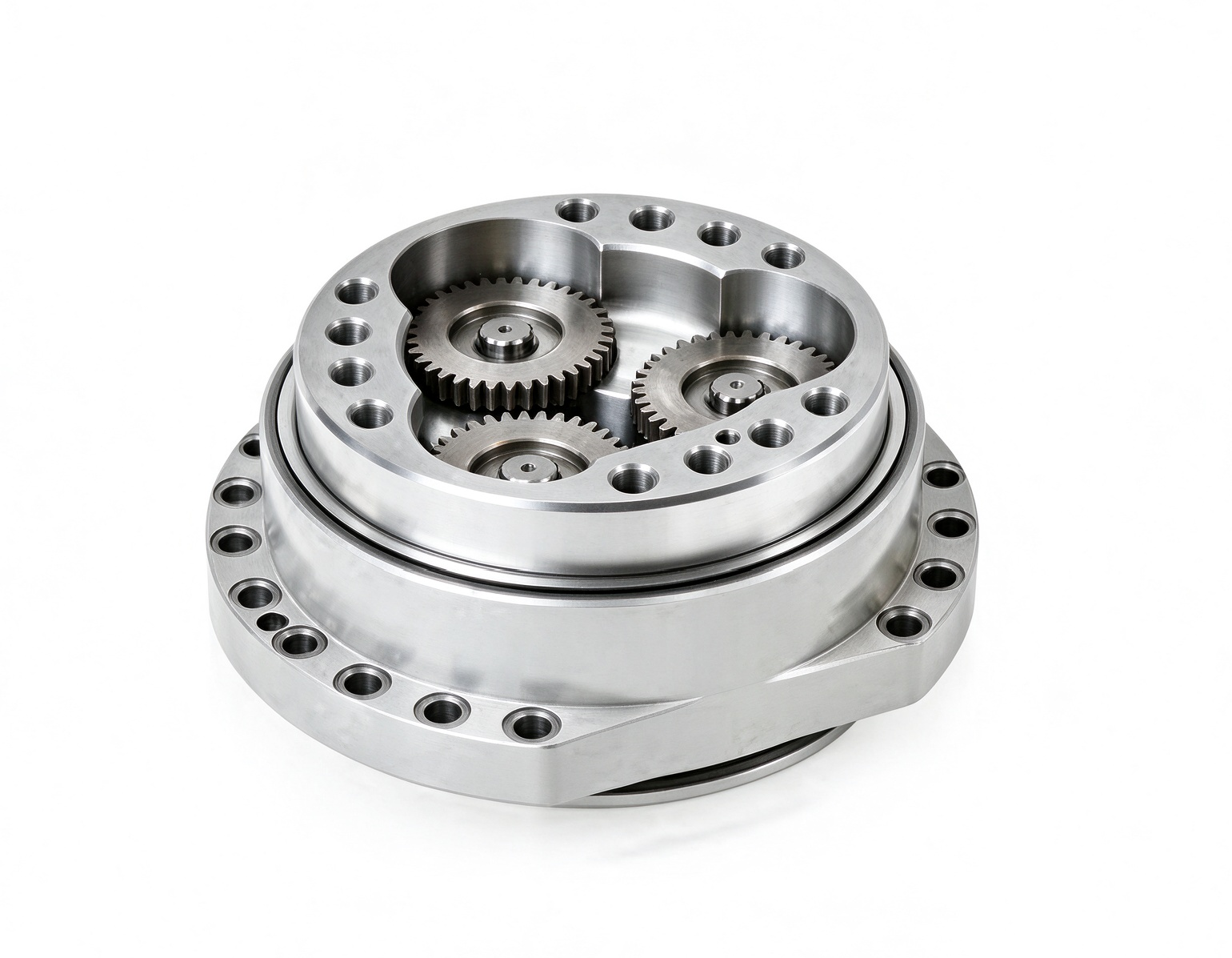
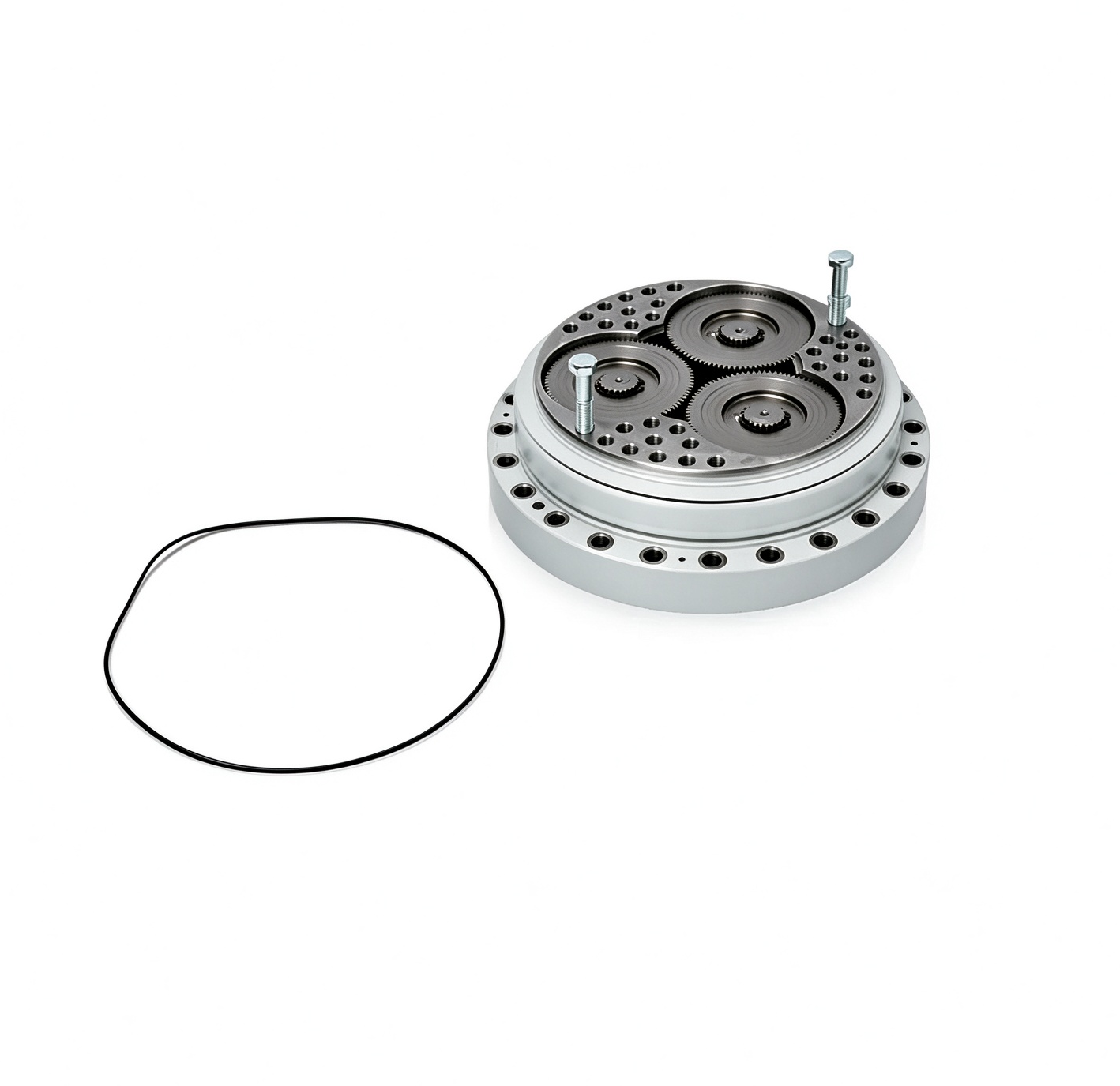
ABB 3HAC024316-004 RV 550E-242.73 Industrial Robot Reduction Gearbox
The ABB 3HAC024316-004 is an industrial robot reduction gearbox identified by the RV 550E-242.73 designation. This mechanical component forms part of a robot’s axis drive system, where controlled transmission of rotary motion is essential for coordinated movement and repeatable positioning. The gearbox reduces input speed and increases available output torque, allowing the robot mechanism to move its connected arm or joint under the loads encountered during programmed operation. Correct identification of the complete part number is important when planning robot maintenance, checking mechanical compatibility, or selecting a replacement component.
Product Overview
Industrial robots depend on coordinated mechanical and control systems to perform material handling, machine tending, welding, assembly, and other automated operations. Within this system, a reduction gearbox transfers rotational power from a drive motor to a mechanical output while establishing the required relationship between input speed and output speed. The gearbox also contributes to the torque characteristics required to move the connected robot mechanism.
The ABB 3HAC024316-004 belongs to the RV 550E-242.73 reduction gearbox configuration. Its complete part number should be used when consulting robot spare parts documentation and comparing component versions. Similar part numbers may represent differences in configuration, finish, or compatibility, so the full suffix must not be ignored during identification.
A gearbox should be evaluated as part of the complete robot axis rather than as an isolated component. Its mechanical interfaces, mounting arrangement, lubrication requirements, load characteristics, and relationship with the associated drive motor all influence whether it is suitable for a particular installation. Before procurement or replacement, the applicable ABB parts documentation should be checked against the robot model and the relevant axis assembly.
Reduction Ratio and Transmission Function
The RV 550E-242.73 designation identifies a reduction gearbox with a stated reduction ratio of 242.73. A reduction ratio defines the relationship between the rotational speed at the input and the rotational speed at the output under the specified transmission conditions. In a reduction drive, the output rotates more slowly than the input, while the transmission makes higher output torque available within the limits of the mechanical system.
For an idealized reduction ratio of 242.73, the output speed is approximately the input speed divided by 242.73. Actual operating performance depends on the drive arrangement, transmission efficiency, loading, and other mechanical characteristics. The ratio alone does not establish the maximum permissible output torque, allowable acceleration, service life, or complete operating envelope of the gearbox.
In an industrial robot, this reduction function enables the drive system to convert motor rotation into movement appropriate for the connected joint. The motor and gearbox work together to support controlled acceleration, deceleration, and movement through the programmed operating range. Their combined characteristics affect how the robot responds to changing loads and motion commands.
When assessing gearbox suitability, engineers should consider the required motion profile, mechanical load, duty cycle, permitted speed, and operating conditions. The relevant technical documentation must be consulted before drawing conclusions about performance limits or interchangeability with another gearbox configuration.
Role in Industrial Robot Axis Systems
A robot axis drive system normally combines a servo motor, reduction gearbox, mechanical joints, structural components, and a control system. The motor provides rotational input, while the gearbox adapts that input to the speed and torque requirements of the joint. The robot controller coordinates axis movement according to the programmed trajectory and the feedback available from the system.
Depending on the robot model and mechanical assembly, a reduction gearbox may support movement associated with a major robot arm joint. The specific axis assignment of ABB 3HAC024316-004 should be verified against the corresponding robot spare parts list rather than assumed from the part number alone.
Mechanical condition is important because gearbox wear, insufficient lubrication, installation errors, or abnormal loading can affect the movement of the connected axis. Symptoms such as unusual noise, increased vibration, inconsistent motion, or changes in positioning behavior may indicate a mechanical issue, although these symptoms can also originate from the motor, bearings, mounting structure, or control system.
Diagnosis should therefore consider the entire drive assembly. Comparing operating observations with the robot’s maintenance records and applicable troubleshooting instructions can help determine whether the gearbox requires inspection or further evaluation.
Mechanical Integration and Compatibility
Mechanical compatibility is a primary consideration when installing the ABB 3HAC024316-004. The gearbox must correspond to the intended robot assembly and provide the required mounting and transmission interfaces. Relevant checks include the robot model, axis designation, mounting dimensions, shaft interfaces, fastening arrangement, and the configuration of connected components.
Part numbers with similar numerical sequences should not automatically be treated as interchangeable. Differences in version, construction, interface details, or application requirements may prevent a component from fitting or operating correctly in a particular robot assembly. The full part number and suffix should be compared with the applicable ABB documentation before a replacement decision is made.
During maintenance planning, engineers should also review the surrounding mechanical structure and the condition of connected components. Alignment, fastening, and assembly procedures must follow the manufacturer’s instructions. Incorrect installation can introduce unwanted mechanical loads, affect transmission behavior, and contribute to premature wear.
Where the gearbox is being considered for an older robot or a modified installation, the equipment’s configuration history may also be relevant. Changes to the robot arm, motor, mounting components, or control arrangement should be evaluated before confirming compatibility.
Lubrication and Maintenance Considerations
Lubrication is essential to the operation of a reduction gearbox because it supports the moving contact surfaces and helps manage friction and heat within the transmission. The appropriate lubricant type, quantity, inspection interval, and replacement procedure depend on the gearbox design and the manufacturer’s maintenance requirements.
For the ABB 3HAC024316-004, the applicable technical documentation should be consulted before selecting lubricant or performing service work. Lubricant specifications from another gearbox should not be transferred to this model without confirmation. Incorrect lubricant selection or quantity may affect operating conditions and component life.
Routine maintenance may include checking for visible lubricant leakage, observing unusual sounds, reviewing vibration trends, and monitoring changes in robot motion. Any inspection should be performed using suitable safety procedures and the maintenance instructions applicable to the robot assembly.
Maintenance records should document observed symptoms, operating conditions, service actions, and any components replaced. This information supports troubleshooting and helps identify recurring problems. If abnormal backlash, persistent noise, or changes in positioning behavior are suspected, a qualified technician should assess the relevant axis and determine the appropriate corrective action.
Applications in Automated Manufacturing
Robot reduction gearboxes are used in automated manufacturing systems where controlled rotary movement and mechanical torque transmission are required. Depending on the robot model and its configuration, such systems may support material handling, machine loading and unloading, assembly operations, welding processes, packaging, and other industrial tasks.
In material handling applications, gearbox performance contributes to the robot’s ability to move a payload along a programmed path. The required mechanical performance depends on payload mass, tool weight, arm extension, acceleration, cycle time, and the configuration of the robot. These variables should be considered together when evaluating the complete axis drive.
In production environments with frequent movement cycles, maintenance planning is particularly important. Operating conditions, load variation, motion frequency, and environmental contamination can influence service requirements. Monitoring the condition of the gearbox and the associated drive components can help maintenance teams identify developing issues before they cause wider equipment disruption.
The suitability of a particular gearbox for an application must always be confirmed through the robot’s technical specifications and approved configuration. General descriptions of industrial robot gearboxes do not replace model-specific load limits or installation requirements.
Replacement Selection and Technical Verification
Before selecting ABB 3HAC024316-004 for a maintenance project, verify the part number on the installed component or in the robot’s spare parts documentation. Confirm the robot model, the applicable axis assembly, the RV 550E-242.73 designation, and any configuration-specific information required by ABB.
The replacement review should include mechanical interfaces, mounting requirements, lubrication instructions, and the condition of associated drive components. Where the robot has undergone previous repairs or modifications, the documented configuration should be compared with the equipment as installed.
Installation should be performed by personnel familiar with industrial robot maintenance. The robot must be placed in the required safe state, and all applicable isolation and securing procedures must be followed before mechanical work begins. Assembly, fastening, lubrication, and any subsequent calibration or verification activities should be carried out in accordance with the relevant ABB instructions.
After maintenance, the complete axis should be evaluated using the procedures specified for the robot. Any required checks of movement, positioning, or system status should follow the applicable commissioning and maintenance documentation rather than an assumed universal procedure.
Conclusion
The ABB 3HAC024316-004 RV 550E-242.73 is a reduction gearbox used in industrial robot drive systems. Its transmission function provides speed reduction and torque multiplication for the associated mechanical axis, supporting the controlled movement required by robotic automation.
Correct identification, mechanical compatibility, suitable lubrication, and adherence to the manufacturer’s maintenance procedures are essential considerations throughout the component’s service life. Before installation or replacement, the full part number and robot configuration should be verified against the applicable ABB spare parts documentation. This approach helps ensure that component selection and maintenance decisions are based on the requirements of the actual robot assembly.

评价
目前还没有评价