
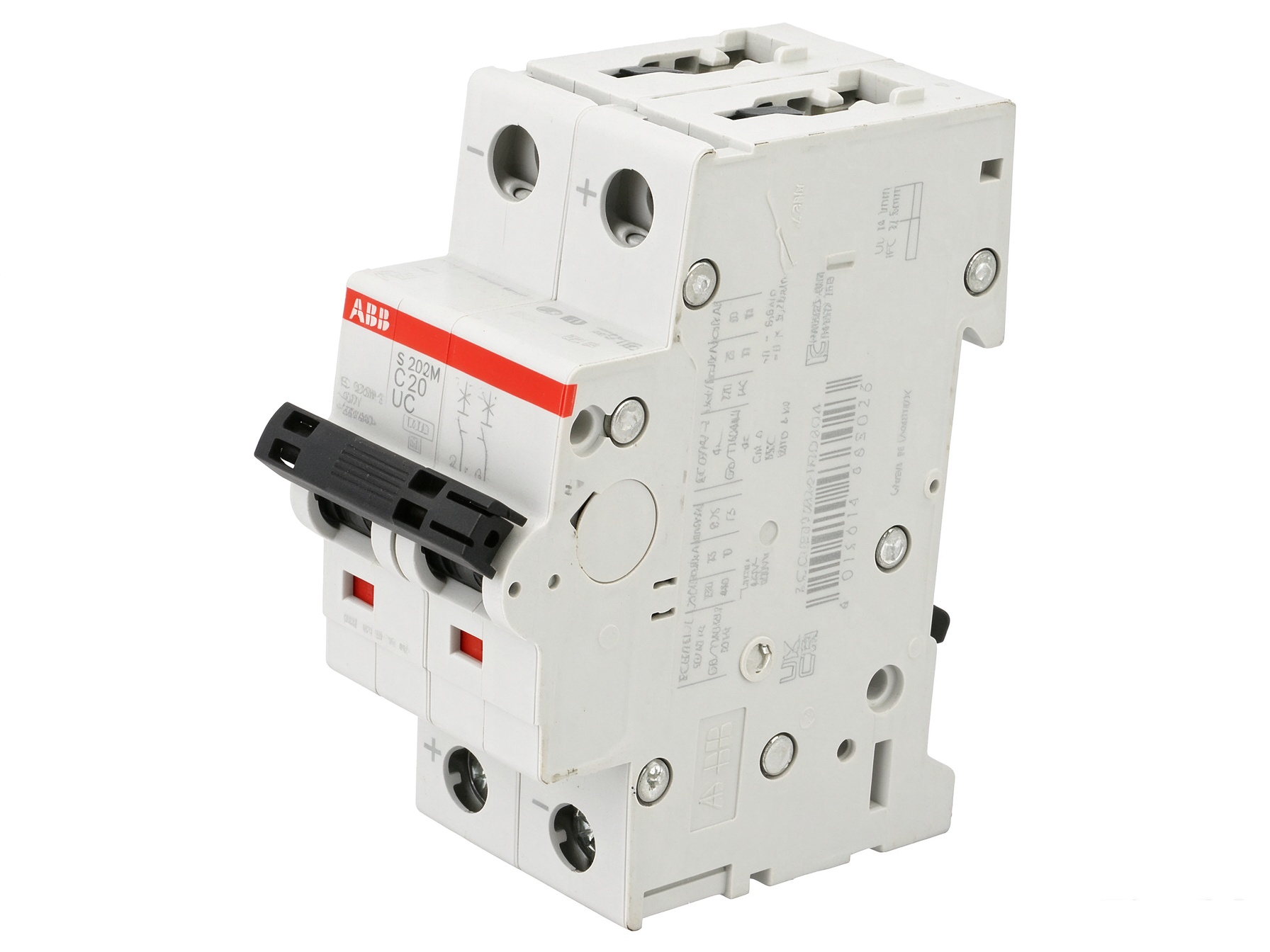
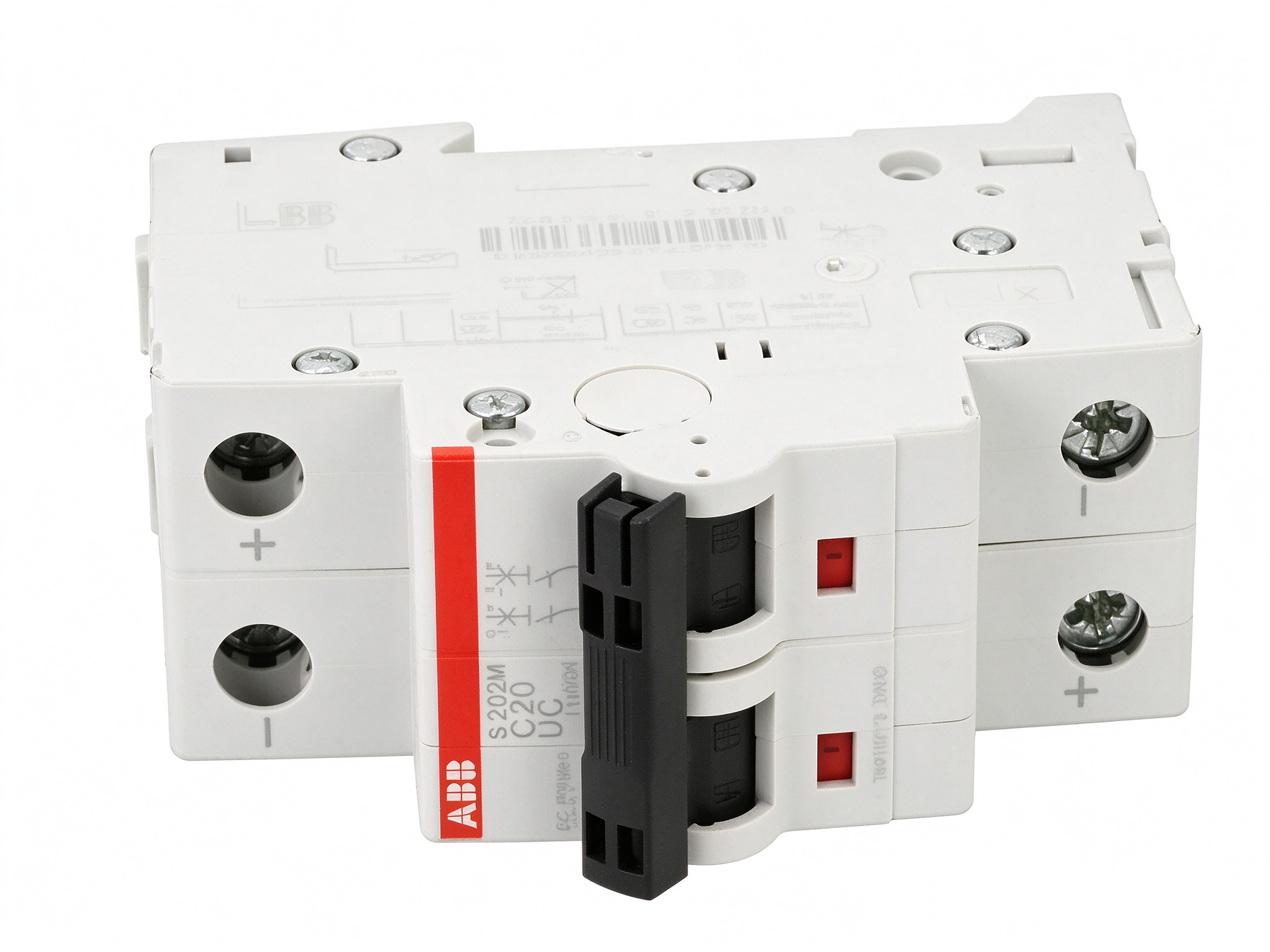
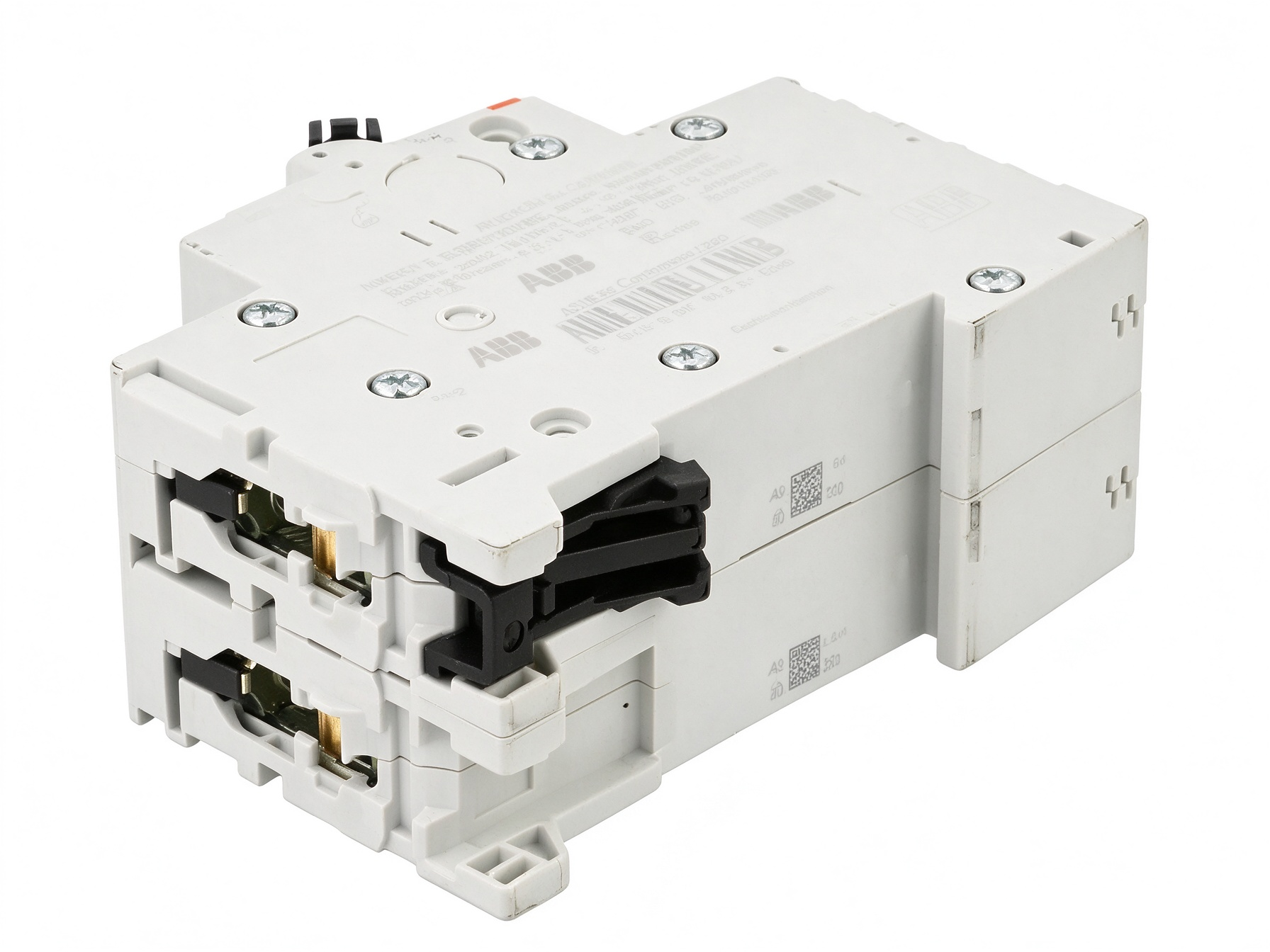
ABB 2CDS272061R0204 S202M-C20UC Miniature Circuit Breaker
The ABB 2CDS272061R0204 is an S202M-C20UC miniature circuit breaker designed for overcurrent and short-circuit protection in electrical distribution and industrial control applications. It belongs to the ABB S200M UC product family and features a two-pole configuration, a rated current of 20 A, and a C-type tripping characteristic. Its design supports both alternating-current (AC) and direct-current (DC) applications within the specified operating limits. With DIN-rail mounting and compatibility with designated accessories in the System pro M compact product range, this circuit breaker provides a practical solution for installations that require compact circuit protection and clearly defined electrical ratings.
Product Overview
The S202M-C20UC is intended to interrupt a circuit when an overcurrent condition reaches the applicable tripping threshold. Excessive current can result from an overloaded circuit, a short circuit, or a fault in connected electrical equipment. By disconnecting the affected circuit under the specified operating conditions, the miniature circuit breaker helps reduce the risk of conductor overheating and equipment damage.
The product identification code 2CDS272061R0204 refers to the ABB S202M-C20UC model. The designation identifies a two-pole miniature circuit breaker with a C-type tripping characteristic and a nominal current rating of 20 A. These characteristics are important when engineers select protective devices for distribution boards, machinery panels, auxiliary power circuits, and other electrical assemblies.
Although miniature circuit breakers share a similar external form, their electrical specifications can differ considerably. Rated current, pole configuration, tripping characteristic, breaking capacity, and AC/DC suitability must all be considered before selecting a device. The complete ordering code should therefore be checked against the circuit design and the manufacturer’s technical documentation.
Key Technical Specifications
- Manufacturer: ABB
- Product type: Miniature circuit breaker (MCB)
- Product family: S200M UC
- Model designation: S202M-C20UC
- Product identification: 2CDS272061R0204
- Number of poles: 2
- Rated current: 20 A
- Tripping characteristic: C
- Application: AC and DC circuit protection within specified ratings
- Rated operational voltage: Up to 400 V AC or 440 V DC under applicable IEC conditions
- Rated short-circuit breaking capacity: 10 kA under specified AC/DC rating conditions
- Mounting method: DIN rail
- Applicable standards include IEC/EN 60898-2 and IEC/EN 60947-2
These values must be interpreted according to the relevant standard, voltage, and test conditions. A stated breaking capacity at one voltage does not automatically apply at every other voltage or in every circuit arrangement. The permissible application must be confirmed using the complete ABB product data and the applicable installation regulations.
Two-Pole Circuit Protection
The two-pole arrangement allows the circuit breaker to operate across two designated circuit conductors. This configuration can be useful in single-phase distribution circuits and certain DC systems where the selected protective arrangement requires two poles. The exact wiring configuration depends on the supply system, earthing arrangement, and applicable electrical rules.
When an overcurrent condition occurs, the breaker operates through its internal trip mechanism and separates the protected circuit. Its contacts are designed to interrupt current within the limits established for the product. Correct pole selection and wiring are particularly important in DC applications because direct current does not pass through a natural current zero in the same way as alternating current. The manufacturer’s specified connection arrangements must be followed.
A two-pole miniature circuit breaker should not be assumed to provide every form of isolation or protection required by a complete installation. System designers must determine whether additional switching, residual-current protection, surge protection, or other protective devices are necessary. The complete protection scheme should reflect the supply characteristics and the hazards associated with the connected equipment.
Understanding the C-Type Tripping Characteristic
The C-type tripping characteristic defines how the circuit breaker responds to current conditions relative to its rated current. Under the relevant conventional requirements, the instantaneous magnetic tripping range for a C-characteristic device is generally between five and ten times the rated current. For a 20 A circuit breaker, this corresponds to a reference range of approximately 100 A to 200 A for the magnetic response. Actual operating time depends on the current level and the applicable trip curve.
The breaker also responds to sustained overloads through its thermal tripping mechanism. This response helps distinguish prolonged excessive current from brief current changes associated with normal operation. The thermal and magnetic elements work together to provide protection across different fault conditions, subject to the device’s specified operating characteristics.
C-type protection is commonly considered for circuits where moderate inrush currents may occur, such as certain inductive loads and electrical equipment. However, the C characteristic is not automatically suitable for every motor, transformer, or power supply. The designer must verify that the expected starting current will not cause unwanted tripping while ensuring that the circuit can still be disconnected within the required fault-clearing time.
AC and DC Application Considerations
The ABB S202M-C20UC belongs to the S200M UC range developed for AC and DC circuit protection. This capability can support electrical systems that use different supply types, provided the operating voltage, current, polarity, and connection arrangement comply with the product’s ratings.
In AC installations, the breaker may be used to protect suitable distribution and auxiliary circuits. Selection should account for the nominal supply voltage, expected load current, prospective short-circuit current, and the characteristics of the connected equipment. The 20 A rating represents the circuit breaker’s nominal current under its specified conditions; it does not mean that every conductor or load in a circuit is automatically suitable for 20 A operation.
In DC installations, particular attention must be paid to the permitted DC voltage and the manufacturer’s prescribed pole connections. Arc interruption requirements differ between AC and DC systems, so the AC breaking-capacity figure must not be used as a substitute for the applicable DC rating. Engineers should verify the actual fault current and ensure that the selected protection device can interrupt it safely.
Industrial and Electrical Distribution Applications
The S202M-C20UC can be considered for electrical distribution boards, industrial control cabinets, auxiliary power distribution, and suitable machine circuits. In a manufacturing facility, miniature circuit breakers are commonly installed to protect individual branches supplying control equipment, power supplies, instrumentation, and other electrical loads.
Within an automation panel, the breaker may form part of a coordinated protection arrangement serving controllers, interface equipment, monitoring devices, or auxiliary circuits. Its compact two-pole design helps organize branch protection in modular enclosures. The final application must nevertheless be checked against the load characteristics, conductor ratings, enclosure conditions, and fault-current requirements.
For equipment with significant startup current, engineers should evaluate the selected tripping curve against the expected operating sequence. For electronic loads, the designer should also consider input-current characteristics and possible transient conditions. A suitable protective device must balance resistance to normal operating surges with effective disconnection under overload and short-circuit conditions.
Installation and Mounting Requirements
Before installation, confirm the product code, rated current, tripping characteristic, supply voltage, and intended pole arrangement. The breaker should be mounted on the appropriate DIN rail within an enclosure suitable for the electrical and environmental conditions. Sufficient space should be provided for conductor routing, terminal access, and any permitted accessories.
Conductors must comply with the manufacturer’s specified cross-sectional area, connection requirements, and terminal-tightening torque. Connections should be secure and correctly prepared to avoid excessive contact resistance and localized heating. Wiring must follow the relevant circuit diagram and electrical regulations, especially where DC polarity or multi-pole arrangements affect safe operation.
Before energizing the installation, qualified personnel should verify the circuit connections, protective-device coordination, and suitability of the connected conductors. The prospective short-circuit current at the installation point must not exceed the applicable breaking capacity of the selected breaker. Where several protective devices are connected in series, coordination should be assessed using the manufacturer’s relevant technical information.
Maintenance and Troubleshooting
Inspection and maintenance should follow the facility’s electrical safety procedures and the manufacturer’s instructions. Before working on the equipment, isolate the relevant power sources and verify that the circuit is safe to access. Personnel should examine the enclosure, terminals, wiring, and surrounding components for signs of overheating, contamination, mechanical damage, or loose connections.
If the breaker trips repeatedly, investigate the cause rather than repeatedly resetting it. Possible causes include a sustained overload, a short circuit, a connected device fault, inappropriate conductor sizing, or a tripping characteristic that does not suit the load. The circuit current and operating conditions should be evaluated by qualified personnel before the breaker is returned to service.
A circuit breaker that cannot remain in the ON position may be responding correctly to an unresolved fault. The connected equipment, wiring, and supply should be checked systematically. Protective devices should not be bypassed or modified to prevent tripping, because doing so can compromise the safety of the installation.
Model Selection and Compatibility
When selecting a replacement for the ABB 2CDS272061R0204, compare the complete ordering code rather than relying on appearance alone. A similar breaker may have a different rated current, pole count, trip curve, or breaking capacity. These differences can affect both circuit compatibility and the level of protection provided.
Compatibility with accessories should also be verified before adding auxiliary contacts, signaling devices, or other modular components. Although the S200M UC range supports designated System pro M compact accessories, the precise combination must be confirmed in the applicable documentation. The complete assembly should comply with the requirements of the intended electrical application.
Conclusion
The ABB 2CDS272061R0204 S202M-C20UC is a two-pole, 20 A miniature circuit breaker with a C-type tripping characteristic for suitable AC and DC circuit protection. Its modular DIN-rail mounting and defined electrical ratings make it relevant to industrial control panels and electrical distribution systems. Correct selection requires careful evaluation of operating voltage, expected load current, short-circuit conditions, conductor sizing, and the applicable installation standards. By matching the breaker to the actual circuit requirements and following the manufacturer’s technical instructions, engineers can incorporate the device into an appropriate and coordinated electrical protection system.
评价
目前还没有评价