
ABB 3BSE013208R0001 TB820V2 ModuleBus Cluster Modem for S800 I/O Systems
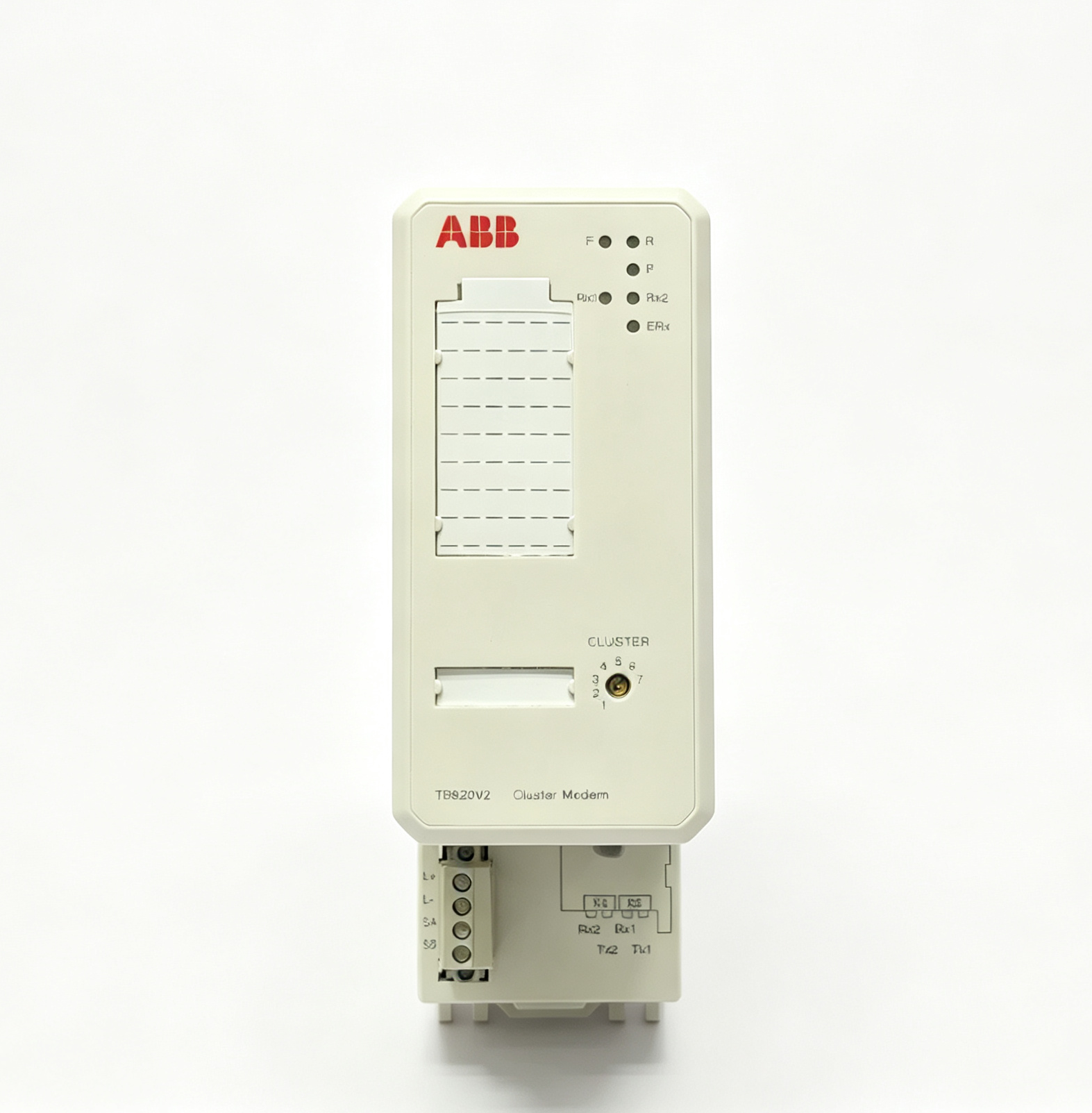
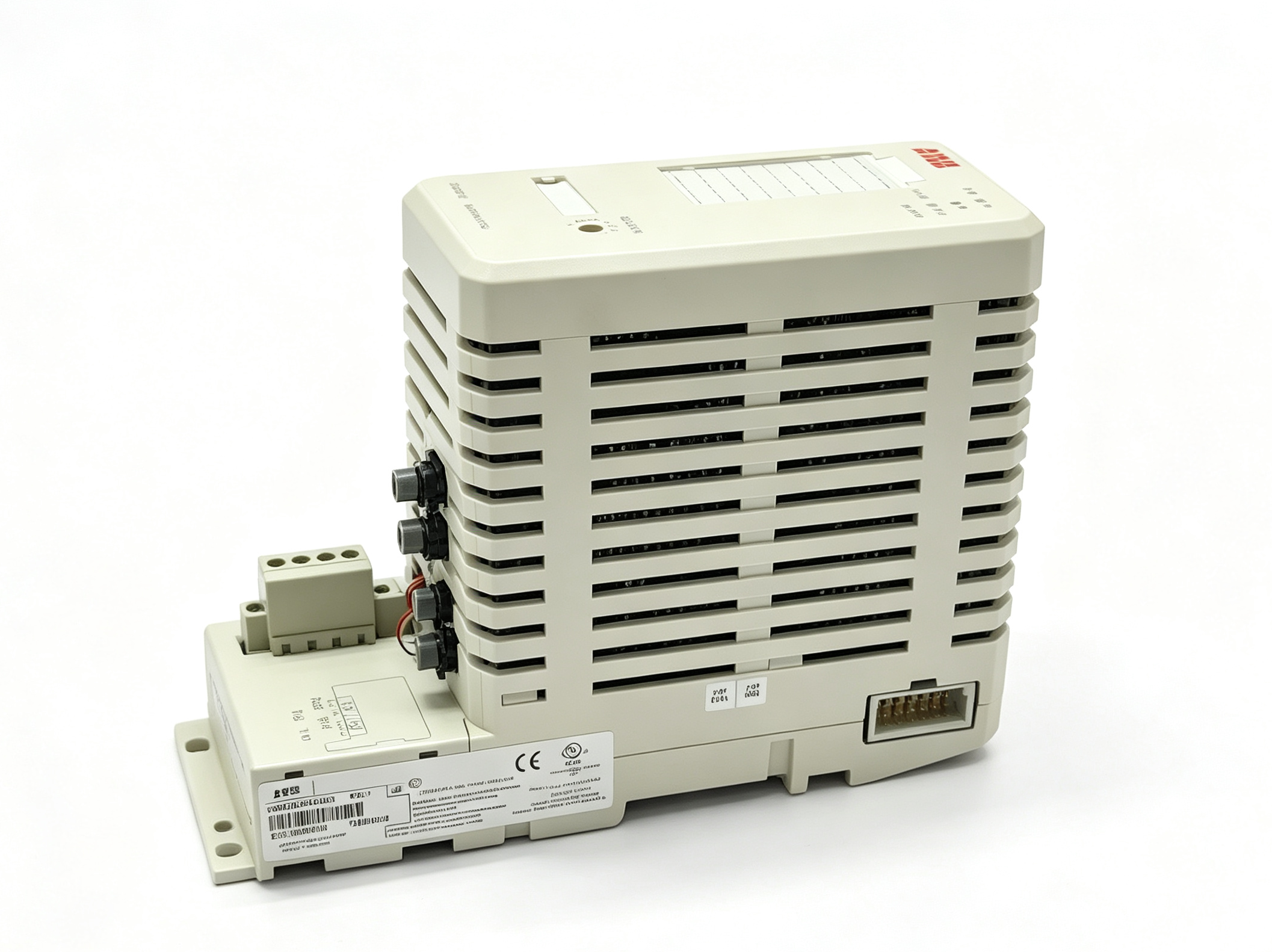
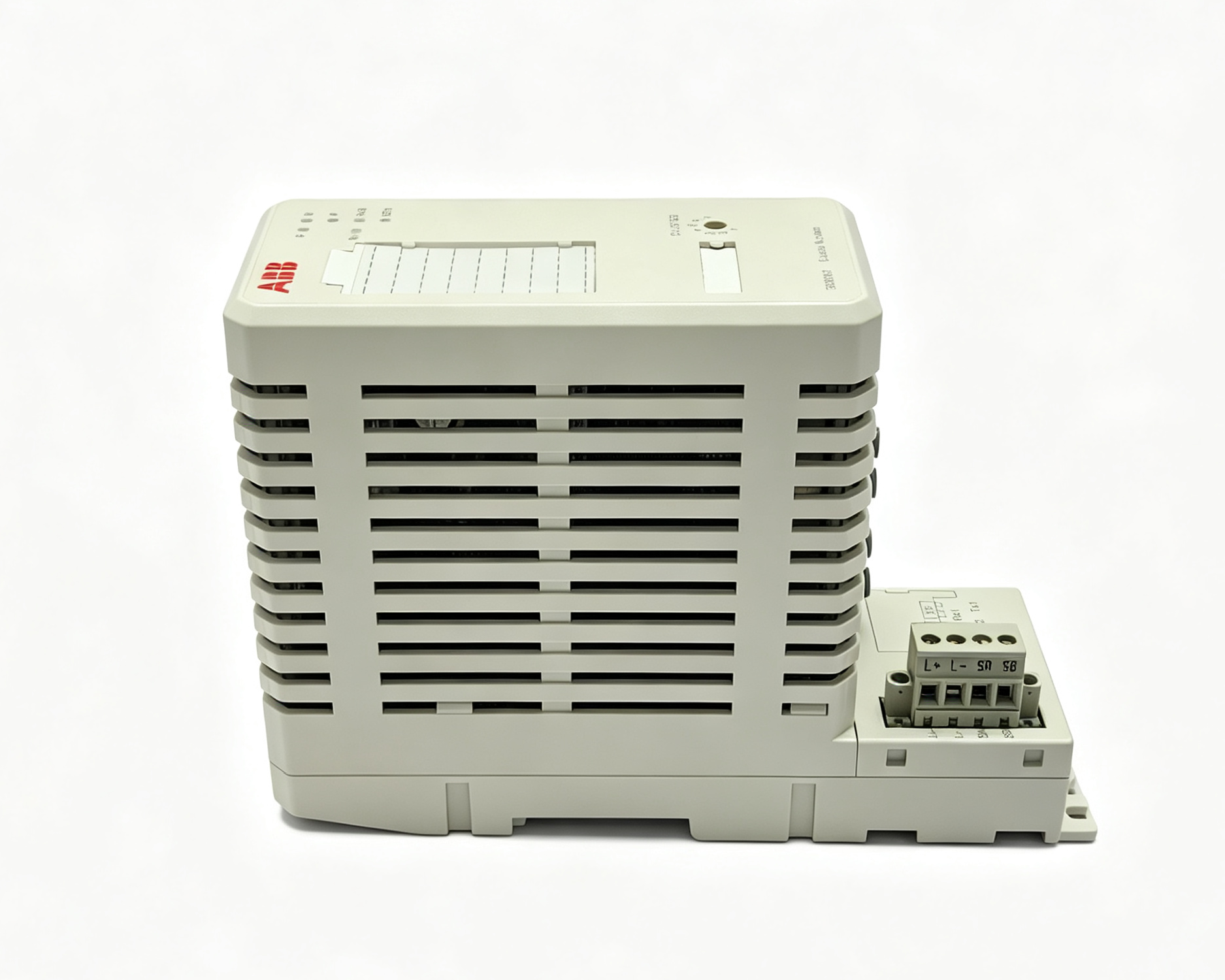
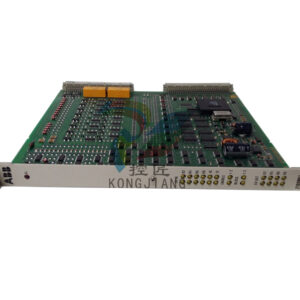
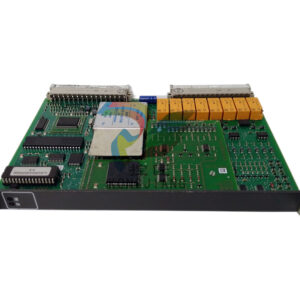
The ABB 3BSE013208R0001 is the TB820V2 ModuleBus Cluster Modem, a communication interface designed for ABB S800 I/O systems. The module provides a connection between the electrical ModuleBus used by local I/O modules and the optical ModuleBus used to distribute I/O clusters. By providing these two logically connected communication interfaces, the TB820V2 allows S800 I/O equipment to be arranged in a distributed architecture while maintaining communication with the associated control system.
The TB820V2 is particularly relevant in automation installations where the number of I/O modules or the physical distribution of field I/O makes a local arrangement impractical. ABB describes the S800 I/O platform as a distributed and modular process I/O system that communicates with parent controllers and PLCs through industrial communication networks. Within this architecture, the TB820V2 provides the ModuleBus interface required for optical distribution of I/O clusters.
ABB 3BSE013208R0001 Product Identification
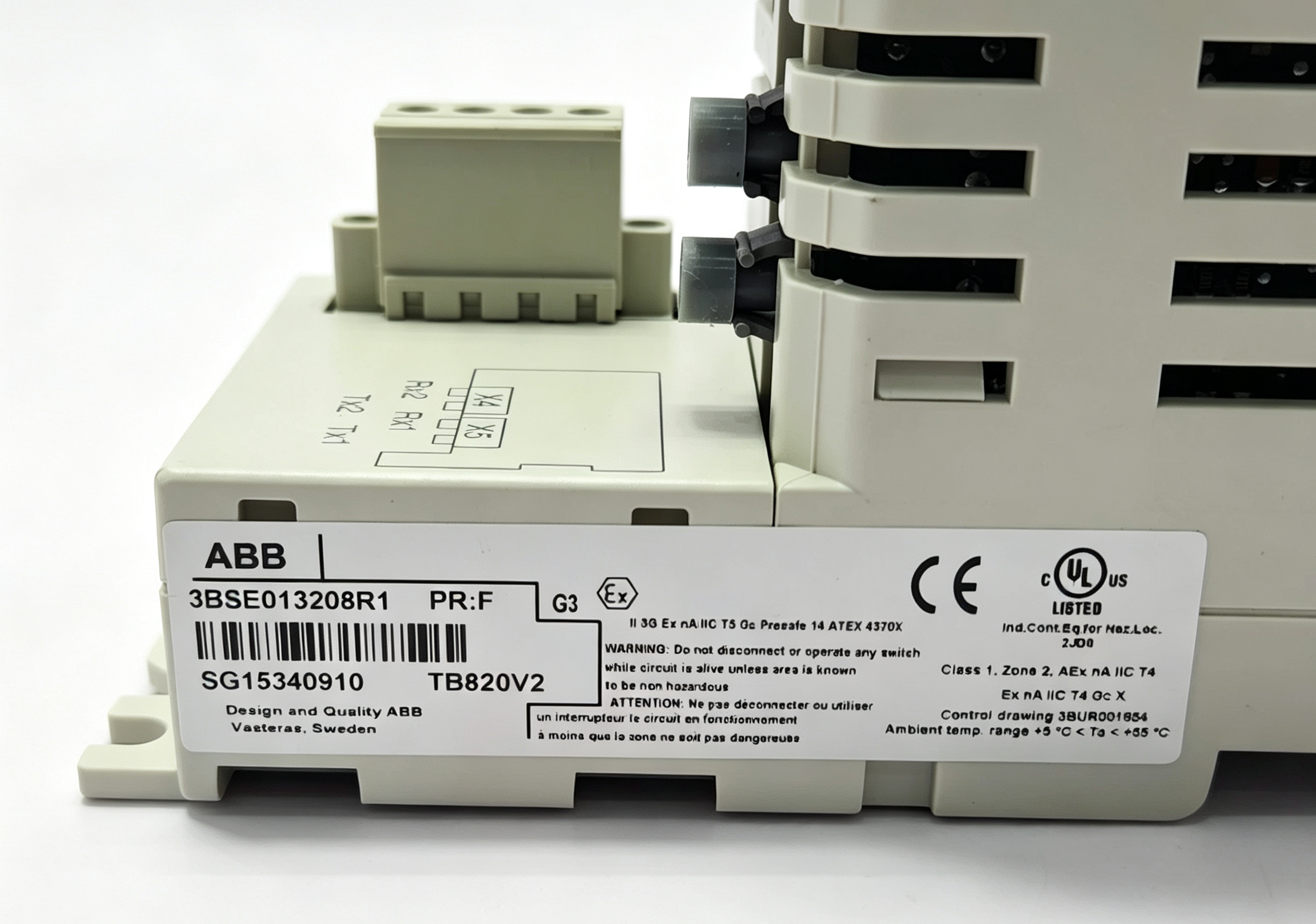
The primary product number is 3BSE013208R0001, while the associated ABB type designation is TB820V2. ABB’s current hardware information identifies the corresponding article number as 3BSE013208R1 and classifies TB820V2 under S800 I/O communication interfaces. ABB service documentation also lists 3BSE013208R0001 as the S800 Bus Modem and identifies TB820V2 as the applicable product designation.
This identification is important because the S800 I/O family contains numerous communication interfaces, I/O modules and termination units with similar physical installation concepts. The TB820V2 has a specific communication function within the ModuleBus architecture and should therefore be distinguished from other S800 communication modules such as FCI interfaces, optical ports and redundant ModuleBus modems.
TB820V2 ModuleBus Communication Function
The main function of the TB820V2 is to provide an interface between the electrical ModuleBus and the optical ModuleBus. The electrical side connects to the S800 I/O modules in the local cluster, while the optical side extends the ModuleBus connection toward distributed I/O clusters. ABB specifies that the electrical and optical interfaces are logically the same bus, allowing the communication architecture to be extended without treating the optical cluster as an independent control network.
The module provides two optical fiber ports for the optical ModuleBus. These ports support the distribution of I/O clusters and allow the S800 I/O architecture to extend beyond a single local group of modules. This approach is useful when I/O equipment needs to be physically separated while remaining part of the same control-system communication structure.
The TB820V2 also provides an electrical ModuleBus connection to the local I/O modules. ABB specifies that up to 12 I/O modules can be connected to the electrical ModuleBus. When additional I/O capacity or physical separation is required, the optical ModuleBus can support up to seven clusters, with the TB820V2 providing the interface for the local cluster.
Optical ModuleBus Cluster Architecture
One of the key characteristics of the ABB 3BSE013208R0001 is its ability to support distributed I/O cluster arrangements. In a conventional local I/O installation, multiple modules can be positioned together and connected through the electrical ModuleBus. However, industrial installations may require I/O equipment to be distributed over different cabinet sections or physical locations.
The optical ModuleBus provides a method for extending the I/O architecture while maintaining the logical relationship between the connected modules. The TB820V2 operates as the cluster modem at the local I/O section, providing the optical interface required for communication with the wider ModuleBus arrangement.
ABB documentation describes the optical interface as being intended for local distribution of I/O clusters and for installations where more than 12 I/O modules are required in an I/O station. This makes the TB820V2 particularly relevant to larger S800 I/O configurations where modular expansion and physical distribution are important considerations.
Cluster Number Selection
The TB820V2 incorporates a rotary switch used to select the cluster number on the optical ModuleBus. ABB specifies cluster numbers from 1 through 7. The selected address identifies the individual cluster within the ModuleBus architecture and allows the control system to associate the cluster with its corresponding configuration.
Correct cluster addressing is therefore an important part of commissioning and maintenance. ABB service documentation notes that the TB820 bus modem has a unique cluster address and that this address is set using the rotary switch on the module. When working with an installed system, the selected cluster number should correspond with the system configuration and engineering documentation.
Supervisory and Power Functions
In addition to communication between the electrical and optical ModuleBus interfaces, the TB820V2 provides supervisory functions associated with the I/O ModuleBus and the power supply. This allows the module to participate in monitoring the status of the local I/O communication arrangement.
The TB820V2 also provides an isolated power supply for the connected I/O modules. This function is integrated into the cluster modem architecture and supports the electrical requirements of the local S800 I/O section. The combination of communication and power-related supervisory functions makes the module an important component of the local I/O cluster rather than simply an optical communication converter.
Integration with ABB S800 I/O
The ABB S800 I/O system is designed as a modular process I/O platform that can communicate with parent controllers and PLCs through industrial communication networks. Within an S800 installation, different modules perform dedicated functions including communication, digital input, digital output, analog input, analog output and termination.
The TB820V2 belongs specifically to the communication portion of this architecture. It does not replace the process controller or individual signal modules. Instead, it provides the ModuleBus communication path required for the local I/O cluster and the optical extension of that bus.
This separation of functions allows the S800 I/O architecture to be expanded according to the requirements of the automation system. Communication interfaces, I/O modules and termination components can be arranged as part of a structured system, while the TB820V2 provides the optical cluster communication function required by the relevant configuration.
TB820V2 Technical Characteristics
| Manufacturer | ABB |
| Part Number | 3BSE013208R0001 |
| Article Number | 3BSE013208R1 |
| Type Designation | TB820V2 |
| Product Type | ModuleBus Cluster Modem |
| System | ABB S800 I/O |
| Communication Protocol | ModuleBus |
| Communication Role | Slave |
| Optical Interfaces | 2 optical ModuleBus ports |
| Electrical ModuleBus Capacity | Up to 12 I/O modules |
| Optical Cluster Capacity | Up to 7 clusters |
| Cluster Address | 1–7 via rotary switch |
| Operating Temperature | 0 to +55 °C |
| Storage Temperature | -40 to +70 °C |
| Relative Humidity | 5–95%, non-condensing |
| Protection Class | IP20 |
| Dimensions | 58 × 170 × 122 mm |
| Weight | Approximately 0.3 kg |
Installation and System Configuration
When integrating the ABB 3BSE013208R0001 into an S800 I/O installation, the module should be considered together with the associated I/O modules, termination components and ModuleBus configuration. The TB820V2 is a communication component and its correct operation depends on the surrounding system architecture.
The cluster address is particularly important because the rotary switch determines the cluster number used on the optical ModuleBus. Engineers working on an existing installation should compare the switch position with the configured cluster address before making changes. Incorrect addressing can prevent the system from correctly identifying or communicating with the associated I/O cluster.
The physical installation also needs to account for the specified dimensions and environmental conditions. ABB lists the TB820V2 with a width of approximately 58 mm, a height of 170 mm including the latch and a depth of 122 mm. The published operating temperature range is 0 to +55 °C, while the storage range is -40 to +70 °C.
Diagnostics and Status Indication
The TB820V2 provides status indication through front-panel LEDs. ABB documentation identifies indicators associated with fault, run and power conditions, together with communication activity on the optical and electrical ModuleBus interfaces. These indicators can assist maintenance personnel when evaluating the condition of the local cluster modem and its communication paths.
The optical communication indicators provide useful information about traffic on the ModuleBus. When troubleshooting an S800 I/O installation, the status of the TB820V2 can therefore be considered together with controller diagnostics, I/O module status and the physical communication connections.
Application in Industrial Automation
The ABB 3BSE013208R0001 is suitable for S800 I/O architectures where I/O clusters need to be distributed through the optical ModuleBus. Such arrangements can be useful in process automation systems, electrical control systems and other industrial installations where field I/O is distributed across different physical locations.
By supporting communication between the local electrical ModuleBus and the optical ModuleBus, the TB820V2 helps maintain a structured I/O architecture without requiring every I/O module to be positioned in one local group. This modular approach can simplify system expansion and provide greater flexibility when designing the physical arrangement of automation equipment.
Conclusion
The ABB 3BSE013208R0001 TB820V2 is an S800 I/O ModuleBus Cluster Modem designed to connect electrical and optical ModuleBus segments. Its two optical ports, electrical ModuleBus interface, cluster addressing function and isolated I/O power supply make it a key communication component for distributed S800 I/O configurations.
ABB specifies support for up to 12 I/O modules on the electrical ModuleBus and up to seven optical clusters. The TB820V2 is identified as a slave ModuleBus communication interface and is designed for non-redundant operation. Its diagnostic indicators and cluster-address switch also provide practical functions for system configuration and maintenance.
For engineering, maintenance and system identification, the complete part number 3BSE013208R0001 should be referenced together with the TB820V2 designation. Correct identification of the ModuleBus modem, cluster address, connected I/O architecture and associated termination components is important when working with an ABB S800 I/O installation.

评价
目前还没有评价