
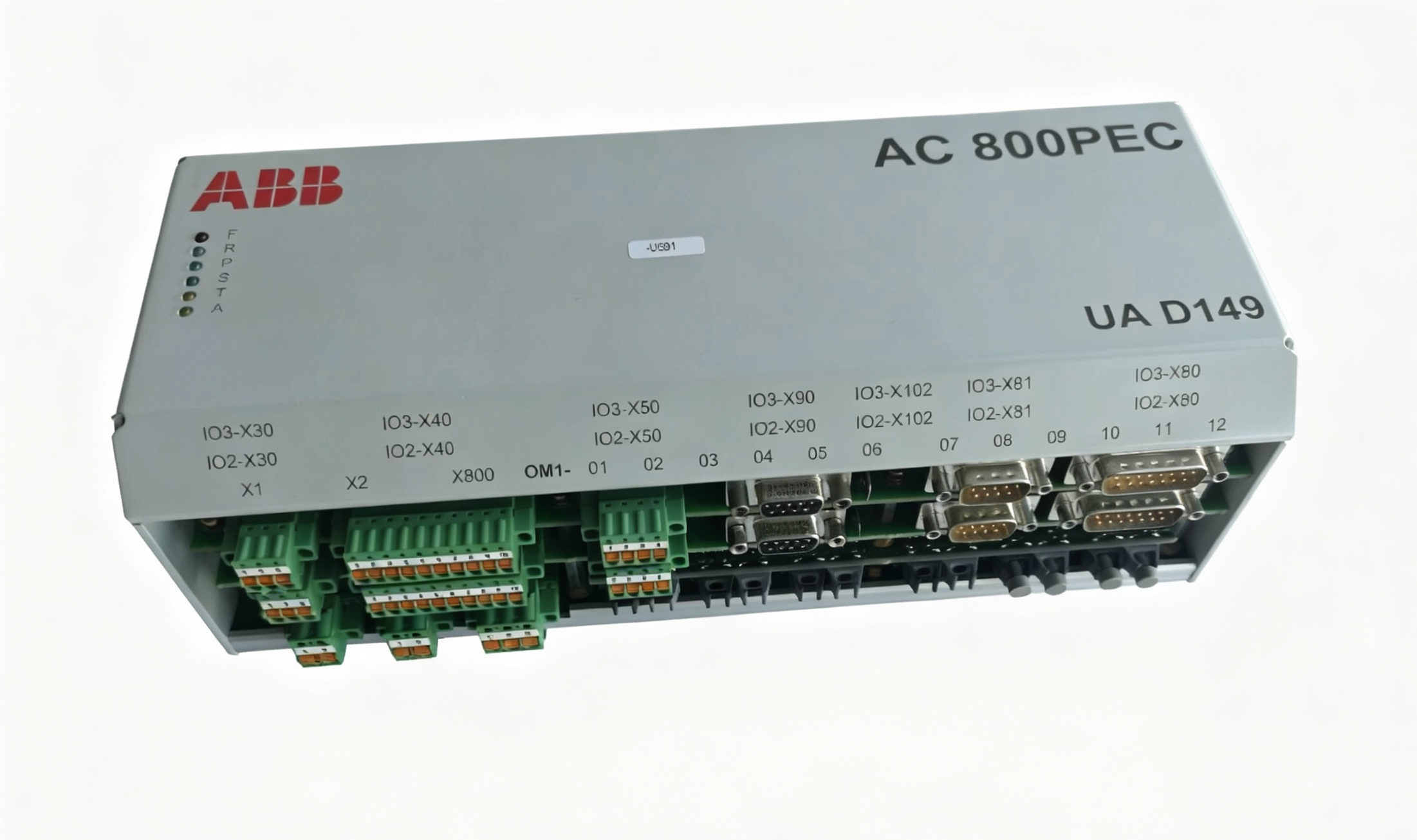
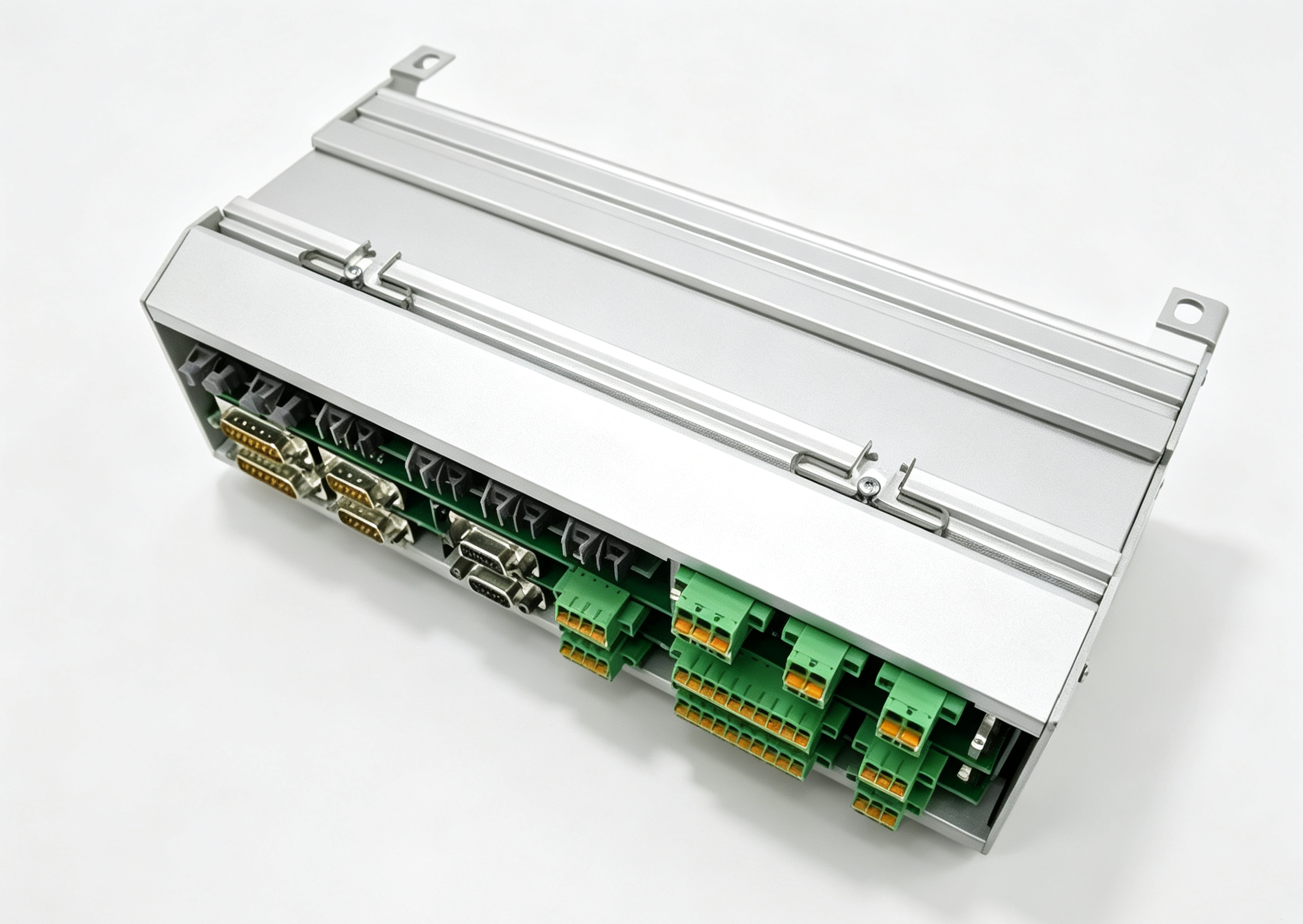
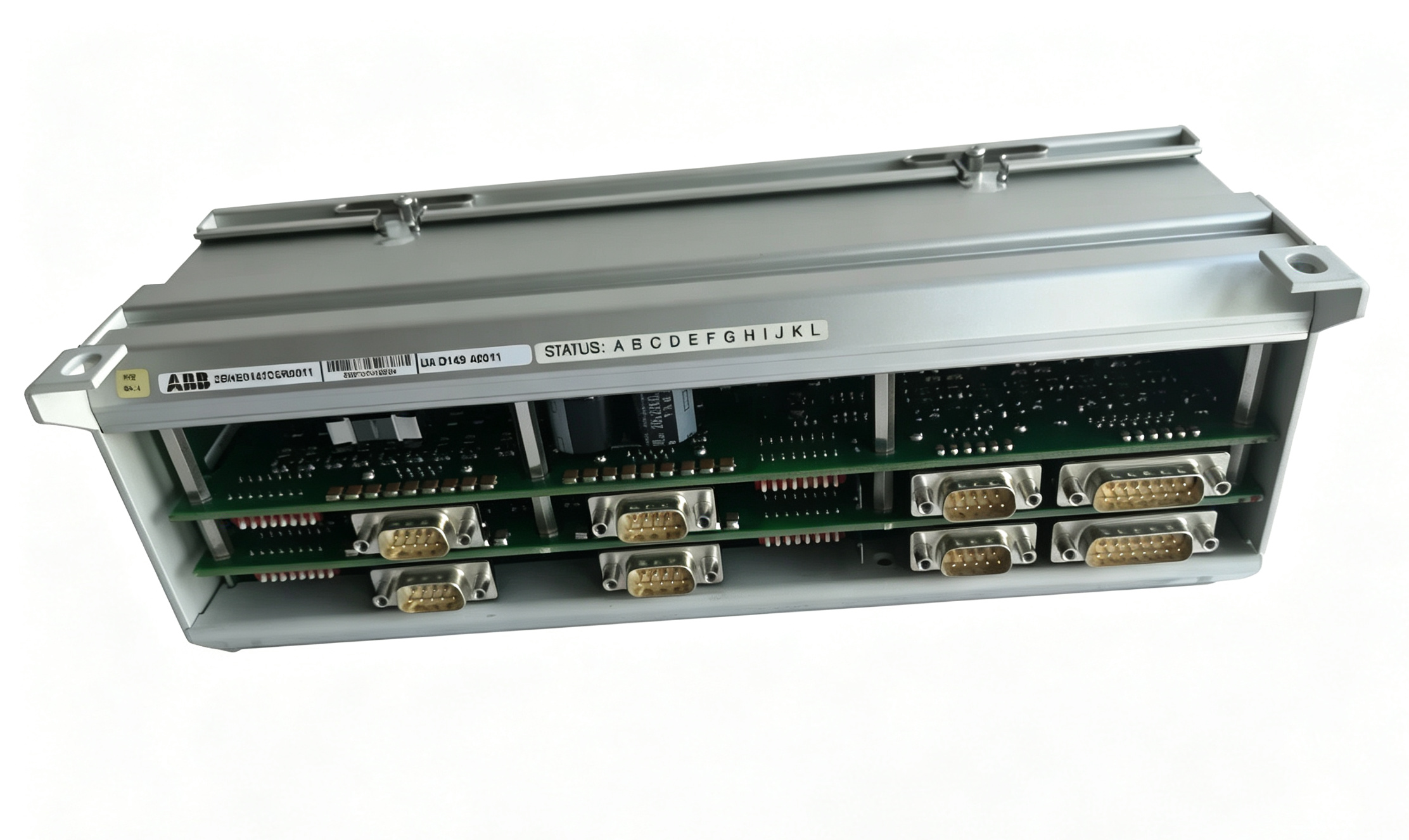
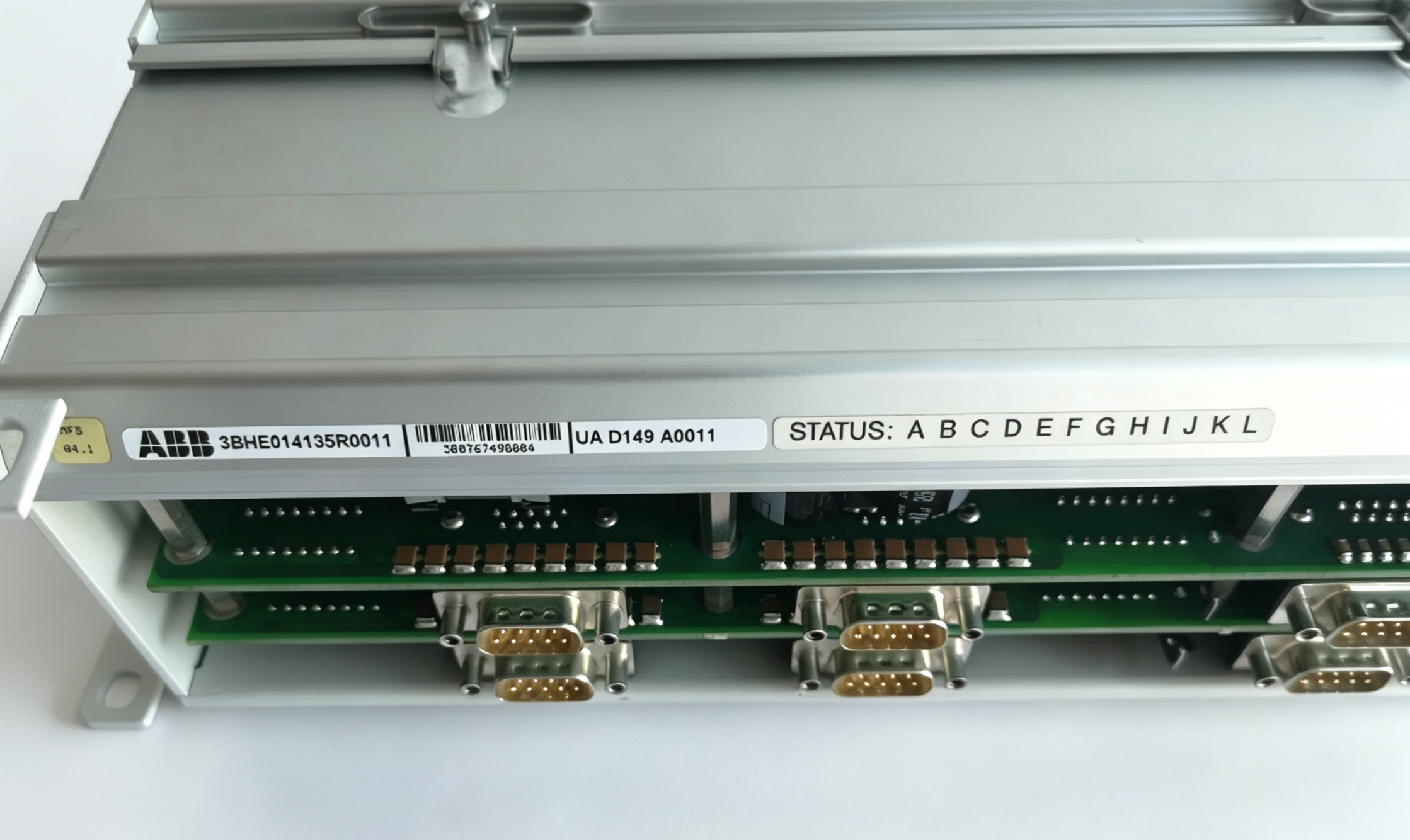
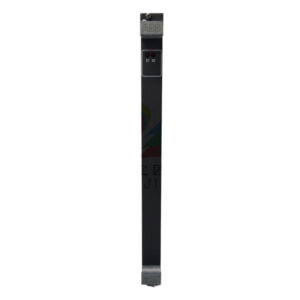
ABB 3BHE014135R0011 UAD149 AC 800PEC Combi I/O Module for Power Electronics Control
ABB 3BHE014135R0011 is the product identification for the UA D149 A00-0-11 AC 800PEC Combi I/O module. The module belongs to the ABB AC 800PEC platform and is designed to provide an input and output interface within power electronics control architectures.
The AC 800PEC platform is designed for demanding industrial control applications where fast control processing, coordinated I/O handling and communication with surrounding automation equipment are required. Within such an architecture, the Combi I/O module provides an interface between field-level signals and the controller.
ABB product documentation identifies 3BHE014135R0011 as “UA D149 A00-0-11; AC 800PEC Combi IO”. The product is also classified by ABB within the drive service, spare-parts and component category, making the complete product identification important for system maintenance and equipment identification.
Product Overview
| Manufacturer | ABB |
|---|---|
| Product ID | 3BHE014135R0011 |
| ABB Type Designation | UA D149 A00-0-11 |
| Product Description | AC 800PEC Combi IO |
| Product Type | Combi I/O Module |
| System Platform | ABB AC 800PEC |
| Primary Function | Input and output interfacing |
| Application Area | Power Electronics Control and Industrial Automation |
AC 800PEC Platform
The ABB AC 800PEC is a high-performance controller platform intended for power electronics and demanding industrial control applications. It can be used in applications where fast control cycles and coordination between power electronic equipment and higher-level automation systems are important.
The controller architecture can be integrated into broader plant automation environments. ABB documentation describes AC 800PEC as a platform capable of communication and control functions extending from plant-level control down to individual processes and power electronic subsystems.
The modular architecture of the AC 800PEC platform allows different system components to perform dedicated functions. The Combi I/O module provides the interface required for signal exchange between the controller and connected electrical or process equipment.
Function of the Combi I/O Module
The main purpose of an I/O module is to connect the control system with external signals. Input channels receive information from field devices, while output channels provide control signals to external equipment. A combination I/O module integrates these functions into a common hardware assembly.
In a power electronics control application, the I/O layer can be used to exchange status, command and measurement-related information between the controller and the equipment being controlled. The actual signal allocation depends on the specific AC 800PEC application and its engineering configuration.
The ABB 3BHE014135R0011 therefore forms part of the interface layer of the AC 800PEC architecture rather than functioning as a standalone controller.
Role in Power Electronics Control
Power electronic systems require coordinated control of electrical switching equipment, converters, drives and associated monitoring functions. The control system must receive information from the equipment and provide appropriate commands according to the configured control strategy.
An I/O interface such as the UAD149 allows these signals to be incorporated into the control architecture. The controller can process the received information together with application logic and then generate the required output commands.
This type of architecture is particularly relevant to industrial systems where the timing and coordination of control signals can influence the operation of power conversion equipment.
AC 800PEC System Architecture
An AC 800PEC installation can contain several functional layers. At the controller level, the AC 800PEC executes the control application. At the I/O level, modules such as the Combi I/O provide interfaces for field signals. Additional communication and interface components can connect the control system with other automation equipment.
This distributed architecture allows the control system to separate application processing from physical signal interfacing. The arrangement can also simplify system engineering by grouping I/O functions into dedicated modules.
The exact arrangement of an AC 800PEC system depends on the application. Therefore, the 3BHE014135R0011 should always be evaluated together with the controller type, connected I/O equipment and system configuration.
Typical Application Areas
The AC 800PEC platform is associated with power electronics and demanding industrial control applications. Depending on the complete system configuration, applications can include power generation, industrial drives, converters and other systems where high-performance control of electrical equipment is required.
- Power electronics control systems
- Industrial drive control
- Converter control applications
- Power generation control equipment
- Industrial electrical systems
- High-performance automation systems
- Process and equipment control architectures
Signal Interface Considerations
When integrating a Combi I/O module into an existing AC 800PEC installation, the signal architecture should be reviewed before connection. Each input or output must correspond to the intended field signal and the system engineering configuration.
Signal types, terminal assignments, electrical references and field wiring should be verified using the applicable ABB documentation for the specific installation. The presence of a similar connector or physical interface does not by itself confirm electrical compatibility.
Particular attention should be given to the relationship between the physical I/O channel and the corresponding software variable. Incorrect channel mapping can result in unexpected control behavior even when the hardware connections appear correct.
Installation and Integration
Before installing ABB 3BHE014135R0011, the equipment should be placed in the appropriate AC 800PEC system position according to the system design. The module identification should be compared with the existing system documentation and spare-part records.
All electrical connections should be made according to the applicable installation instructions. Field wiring should be clearly identified and routed in accordance with the requirements of the control cabinet and power electronics installation.
Because AC 800PEC equipment can be integrated with high-power electrical systems, appropriate electrical isolation and safety procedures should be followed during maintenance. The control electronics should only be accessed after the applicable equipment shutdown procedures have been completed.
Maintenance Considerations
Maintenance of a Combi I/O module should include inspection of the module, connectors and associated field wiring. Loose connections, damaged conductors or incorrect signal references can result in abnormal I/O behavior.
The complete signal path should be considered when troubleshooting. A fault observed at the controller does not necessarily indicate that the I/O module itself is defective. The field device, wiring, terminal connection, software configuration and associated control hardware can all influence the resulting signal.
Maintenance records should include the complete ABB product number, type designation and system location. Recording the product ID 3BHE014135R0011 together with UA D149 A00-0-11 can help identify the correct component during future maintenance activities.
Troubleshooting I/O Signals
When an input or output does not operate as expected, troubleshooting should begin by identifying whether the problem is located at the field device, wiring, I/O interface or control-system level.
- Verify the field device and its operating condition.
- Inspect the associated wiring and terminal connections.
- Confirm the physical I/O channel assignment.
- Check the system configuration and software signal mapping.
- Review controller and I/O diagnostic information.
- Check the module and connectors for physical abnormalities.
- Compare the installed module identification with the system documentation.
A structured troubleshooting process can help distinguish an I/O hardware issue from a field-level or configuration-related problem.
Product Identification and Spare-Part Reference
The complete product identification is particularly important for ABB AC 800PEC equipment because multiple electronic modules can perform different functions within the same system.
For this device, the principal identifiers are ABB product ID 3BHE014135R0011 and ABB type designation UA D149 A00-0-11. The catalog description identifies the product as AC 800PEC Combi IO.
These identifiers should be retained in maintenance databases, equipment records and spare-part lists. When replacing an existing module, the product number and type designation should be compared with the installed hardware and the applicable ABB documentation.
Technical Note: ABB identifies 3BHE014135R0011 as UA D149 A00-0-11 and describes it as an AC 800PEC Combi IO module. Exact channel assignments, electrical signal specifications and system compatibility should be verified against the documentation for the specific AC 800PEC installation before commissioning.
Importance of Correct Module Identification
Industrial control systems often contain multiple circuit boards and I/O assemblies with similar physical characteristics. Using the complete product identification helps reduce the possibility of installing an incompatible component.
For ABB 3BHE014135R0011, both the numerical product ID and the UA D149 A00-0-11 type designation provide useful references. Searching and recording both identifiers can be especially helpful when working with older system documentation or historical equipment records.
The correct identification should also include the associated AC 800PEC system and its application. A component that belongs to the same product family may not necessarily have the same I/O configuration or system function.
Technical Characteristics
| Brand | ABB |
|---|---|
| Product ID | 3BHE014135R0011 |
| Type Designation | UA D149 A00-0-11 |
| Product Name | AC 800PEC Combi IO |
| Module Category | Combi I/O Module |
| System | ABB AC 800PEC |
| System Function | I/O signal interfacing |
| Application | Power Electronics and Industrial Automation Control |
AC 800PEC in Industrial Automation
The AC 800PEC platform is suited to applications where conventional process control and fast power electronics control functions need to operate within a coordinated architecture. Its communication capabilities allow it to participate in larger plant automation systems while maintaining dedicated control functions for electrical equipment.
The Combi I/O module contributes to this architecture by providing the physical I/O interface required by the application. This allows field information to reach the control program and enables control commands to be transferred to connected equipment.
In a complete industrial installation, the module works together with the AC 800PEC controller, associated I/O components, communication interfaces and field equipment. Its actual role is therefore determined by the engineering design of the complete control system.
Conclusion
ABB 3BHE014135R0011 is the product ID for the UA D149 A00-0-11 AC 800PEC Combi I/O module. The module is designed for I/O interfacing within ABB AC 800PEC power electronics control architectures.
As part of the I/O layer, the module provides a connection between field-level signals and the control system. Its use can support industrial applications involving power electronics, drives, converters and other demanding electrical control systems.
For maintenance and replacement, the complete product identification should be used. ABB 3BHE014135R0011, UA D149 A00-0-11 and AC 800PEC Combi IO should be checked against the equipment documentation and system configuration before installation. This ensures that the selected module corresponds to the intended position and function within the AC 800PEC control architecture.


评价
目前还没有评价