
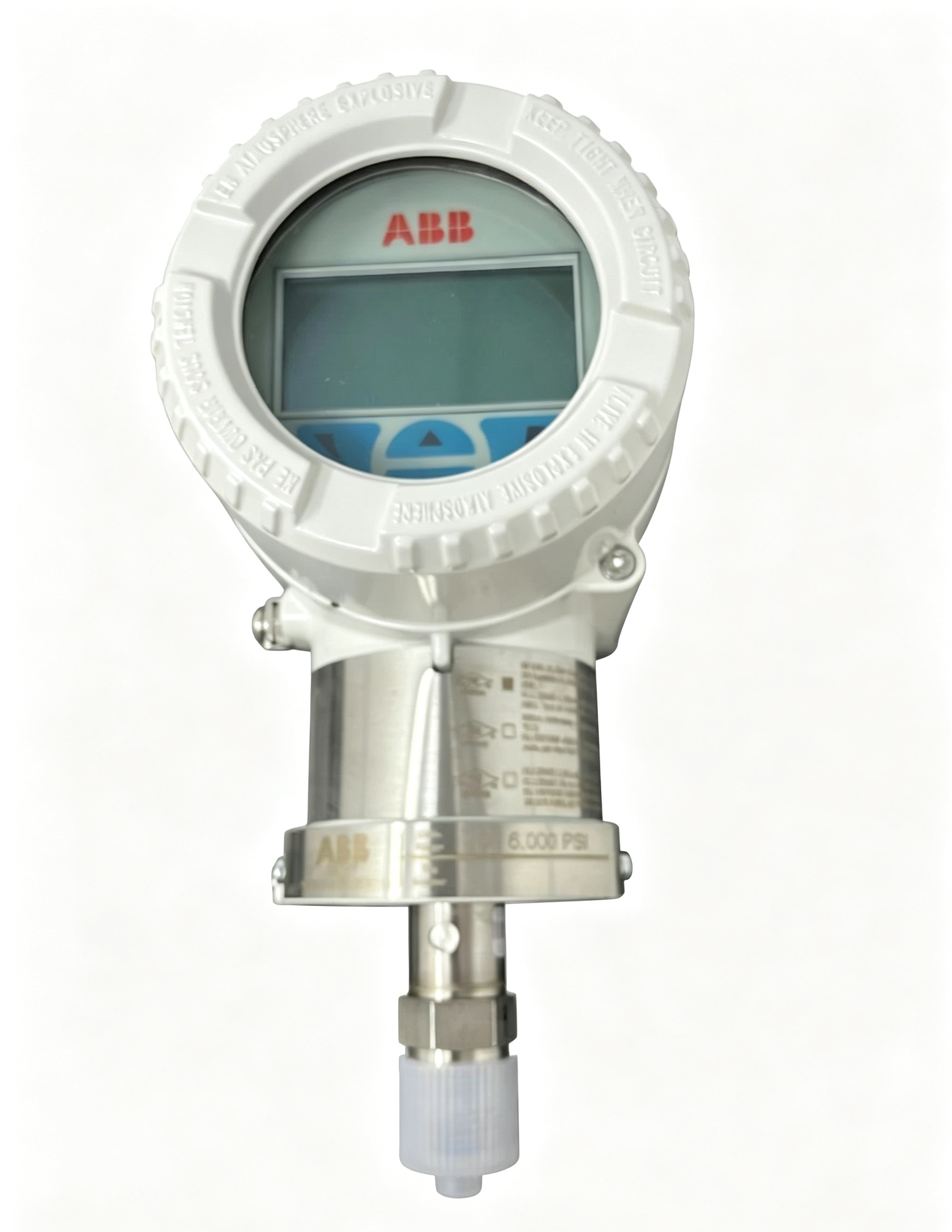
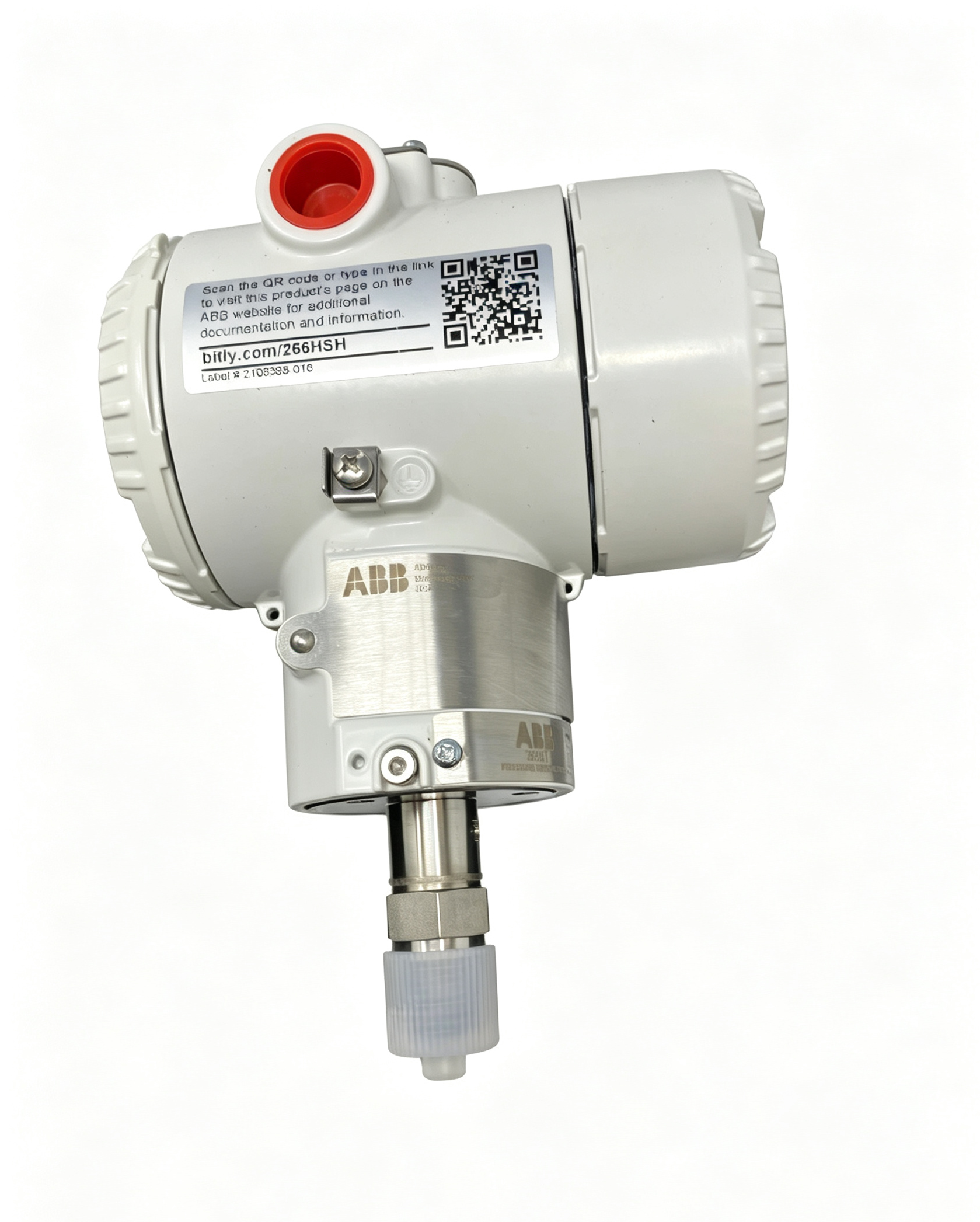
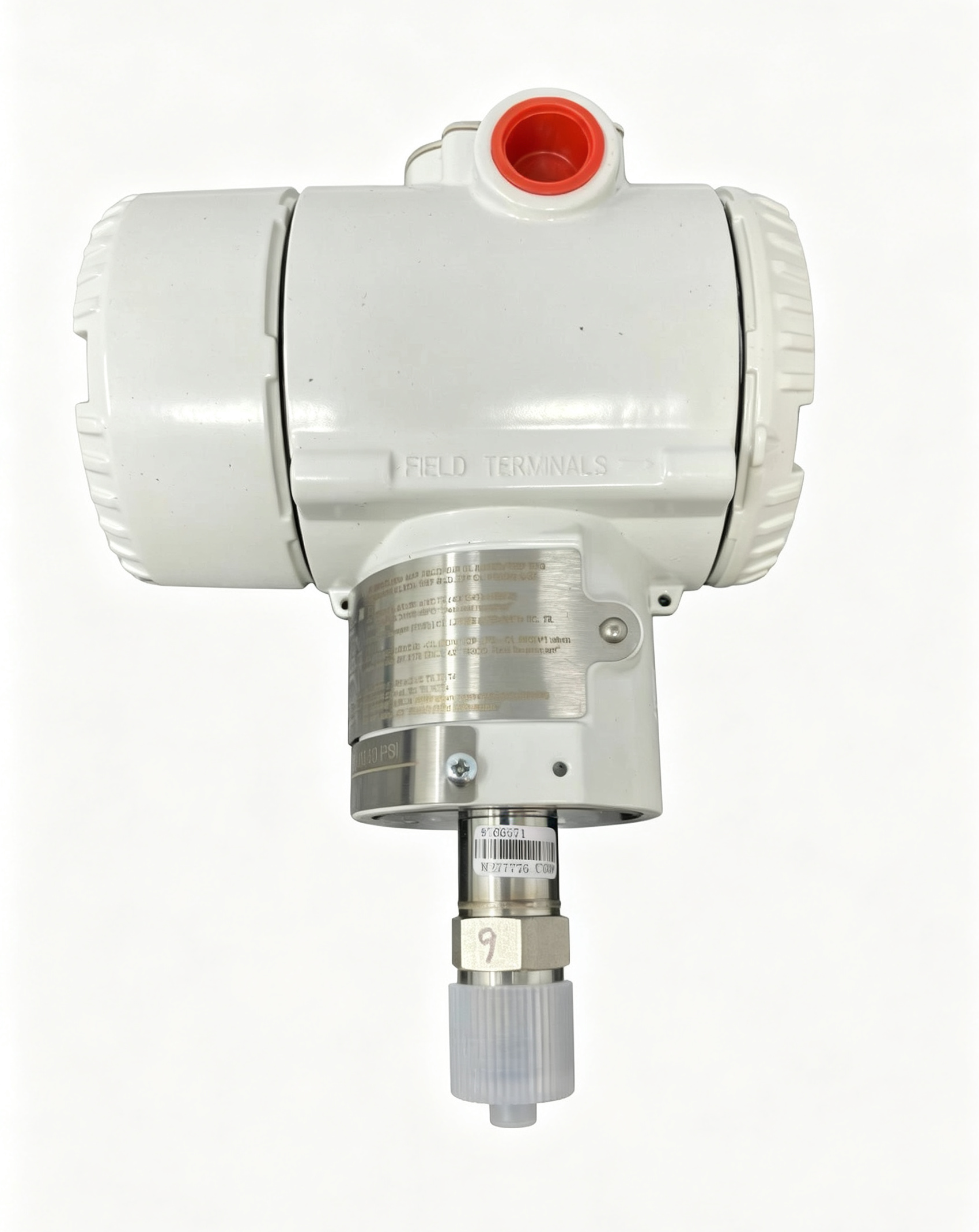
ABB 266HSH.S.K.B.A.1 Gauge Pressure Transmitter
ABB 266HSH.S.K.B.A.1 belongs to the ABB 266HSH family of industrial gauge pressure transmitters. The 266HSH product family is intended for pressure measurement in process instrumentation and automation systems where pressure information must be converted into an electrical signal for monitoring, control, indication, or further processing. ABB identifies the 266HSH as a gauge pressure transmitter, distinguishing it from related 266 family devices designed for differential pressure or absolute pressure measurement. :contentReference[oaicite:1]{index=1}
The designation 266HSH.S.K.B.A.1 represents a structured ABB configuration code. Additional characters normally follow the basic configuration and define specific transmitter options. Publicly indexed records show complete 266HSH configurations containing fields such as E6, L1, B7, TB, I2 and C1, demonstrating that the 266HSH ordering structure can contain detailed selections for the measurement range, process interface, materials, electronics, housing and other application requirements. :contentReference[oaicite:2]{index=2}
Product Identification
The principal product identification supplied for this article is ABB 266HSH.S.K.B.A.1. The 266HSH designation identifies the underlying transmitter family, while the additional letters and numbers form part of the configuration structure. Because the supplied code is an abbreviated configuration rather than a complete extended code, it should be retained exactly as marked on the equipment for identification purposes.
- Manufacturer: ABB
- Product family: 266
- Transmitter type: 266HSH
- Measurement principle: Gauge pressure measurement
- Product category: Industrial pressure transmitter
- Configuration: S.K.B.A.1
- Application: Process pressure measurement
- Typical system role: Pressure measurement and process monitoring
Public product records consistently identify 266HSH as an ABB gauge pressure transmitter. Other 266HSH configuration examples confirm that the model family is used for industrial pressure measurement rather than temperature or flow measurement. :contentReference[oaicite:3]{index=3}
Gauge Pressure Measurement
Gauge pressure is measured relative to the applicable reference pressure, normally atmospheric pressure. This makes a gauge pressure transmitter particularly useful for process applications where the pressure inside a vessel, pipeline, pump system, or other process installation must be monitored against the surrounding atmospheric reference.
The ABB 266HSH converts the measured pressure condition into a corresponding transmitter output. The resulting signal can be connected to process controllers, distributed control systems, programmable controllers, indicators, recorders, or other compatible instrumentation.
This measurement architecture allows the physical pressure condition to become part of a larger automation strategy. A control system can use the transmitter signal for process monitoring, alarm generation, regulation, data acquisition, or equipment protection.
ABB 266 Transmitter Family
The 266 series contains several pressure transmitter configurations designed for different measurement tasks. Within this family, the 266HSH designation is associated with gauge pressure measurement, while other 266 models are configured for differential pressure and other pressure-measurement requirements. Public product listings show 266DSH variants as differential pressure transmitters and 266HSH variants as gauge pressure transmitters. :contentReference[oaicite:4]{index=4}
This family structure allows process engineers to select an appropriate transmitter type according to the physical pressure variable that must be measured. The correct model should therefore be determined from the process measurement requirement rather than from the general appearance of the transmitter.
Configuration Code Structure
The ABB 266HSH.S.K.B.A.1 designation is part of a modular configuration system. ABB 266 transmitter ordering codes can contain multiple fields that describe different product options. These fields may specify characteristics associated with the measurement range, process connection, materials, electronics, housing, communication or other configuration requirements.
For example, publicly indexed 266HSH configuration records include extended designations such as 266HSH.S.K.B.A.1E1L1B6I2C1 and 266HSH.S.K.B.A.1….E6..L1..B7….TB.I2…C1. These records demonstrate that the short designation alone does not necessarily contain the complete engineering configuration. :contentReference[oaicite:5]{index=5}
For this reason, the complete transmitter code shown on the product nameplate should be used when determining exact technical specifications.
Pressure Range Identification
The measurement range is one of the most important parameters when selecting a pressure transmitter. Publicly indexed records associate an extended 266HSH configuration with a pressure range of 0–16000 kPa, but this information belongs to the specific extended configuration containing additional option fields and should not automatically be assigned to every 266HSH.S.K.B.A.1 transmitter. :contentReference[oaicite:6]{index=6}
Therefore, the exact pressure range for ABB 266HSH.S.K.B.A.1 should be established from the complete ordering code, product nameplate, engineering documentation, or transmitter configuration record. This distinction is important because the 266HSH family can be configured for different process pressure ranges.
Process Instrumentation Role
The transmitter serves as the measurement interface between the physical process and the control system. Pressure acting on the transmitter’s sensing system is converted into an electrical measurement that can be interpreted by compatible process instrumentation.
In an industrial plant, the signal may be used by a distributed control system to display pressure values, compare the measured value with process limits, initiate alarms, or control valves and other process equipment.
The transmitter can therefore become an important part of a closed-loop process control system. Accurate selection and installation are essential because the pressure measurement may directly influence automated process decisions.
Industrial Pressure Applications
ABB 266HSH transmitters are suitable for applications where gauge pressure must be measured as part of an industrial process. Typical applications can include pressure monitoring in pipelines, vessels, process equipment, pumps, compressors, utility systems, and other industrial installations.
The actual application depends on the selected pressure range, process connection, wetted materials, environmental conditions, electrical configuration, and other options represented by the complete ordering code.
- Process pressure monitoring
- Pipeline pressure measurement
- Vessel pressure monitoring
- Pump and compressor systems
- Industrial process control
- Plant automation systems
- Pressure alarm and monitoring systems
- Distributed control system interfaces
Signal Integration
A process pressure transmitter is normally integrated into a larger instrumentation network rather than operating as an isolated measuring device. The transmitter output is connected to an appropriate input channel on a control or monitoring system.
The receiving system interprets the electrical signal and associates it with the configured pressure measurement range. This allows operators and automation software to work with a process variable that represents the physical pressure condition.
The exact electrical interface must be confirmed from the complete configuration code and transmitter documentation before wiring. The abbreviated 266HSH.S.K.B.A.1 designation alone should not be used to assume every electrical option.
Process Connection Considerations
Pressure transmitters require a suitable mechanical connection between the process and the sensing system. The exact connection arrangement is configuration dependent and should be identified from the complete ABB ordering code.
Correct process connection selection is important for mechanical compatibility, sealing, pressure rating, process media compatibility, and maintenance requirements. The connection should match the process piping or equipment to which the transmitter is installed.
The installation should also consider accessibility, pressure isolation, impulse-line arrangement where applicable, vibration, temperature, and the physical environment surrounding the measurement point.
Materials and Process Compatibility
Industrial pressure measurement requires careful consideration of the process medium. Materials exposed to the measured process must be compatible with the pressure medium and the operating environment.
Because ABB 266HSH transmitters can be ordered in different configurations, the materials and process-wetted characteristics should be established from the complete transmitter code rather than inferred from the base model designation.
This is particularly important for applications involving corrosive, abrasive, high-temperature, or otherwise demanding process media.
Measurement Accuracy and Process Control
The value of a pressure transmitter in an automation system depends on the quality and stability of its measurement. The transmitter should be selected with a suitable range and installed under conditions that correspond to its specified operating limits.
Choosing a range that is appropriate for the actual process pressure helps the control system make effective use of the transmitter’s measurement capability. Extremely broad ranges may reduce the usefulness of the measured signal for applications requiring fine pressure control.
Engineering selection should therefore consider the normal operating pressure, expected process variation, maximum pressure, environmental conditions, and required measurement performance.
Integration with Automation Systems
ABB 266HSH transmitters can form part of an industrial automation architecture in which pressure is one of several process variables monitored by the control system. Pressure data can be combined with temperature, flow, level, valve position, and equipment status information.
In a distributed control system, the pressure signal may be displayed on an operator workstation and used by control algorithms. In smaller automation installations, the transmitter can provide pressure information to a programmable controller or dedicated process instrument.
The resulting measurement chain connects the physical process to the plant’s monitoring and control infrastructure.
Technical Identification Table
| Parameter | ABB 266HSH.S.K.B.A.1 |
|---|---|
| Manufacturer | ABB |
| Product family | ABB 266 |
| Base model | 266HSH |
| Instrument type | Gauge pressure transmitter |
| Configuration designation | S.K.B.A.1 |
| Primary measurement | Gauge pressure |
| Application category | Industrial process instrumentation |
| Exact pressure range | Configuration dependent |
| Exact process connection | Configuration dependent |
| Exact electrical output | Configuration dependent |
| Exact housing and material options | Configuration dependent |
The configuration-dependent entries are intentionally not assigned values that cannot be verified from the abbreviated product code. ABB 266HSH ordering structures contain additional option fields, and publicly indexed examples demonstrate that different complete configurations can have different technical characteristics. :contentReference[oaicite:7]{index=7}
Why the Complete Model Code Matters
ABB instrumentation products frequently use structured ordering codes in which individual characters represent different technical options. The 266HSH family is a clear example of this approach. A short base designation can therefore represent a family, while the extended code identifies a specific engineering configuration.
For ABB 266HSH.S.K.B.A.1, the additional characters following the supplied designation should be retained whenever available. They provide useful information for distinguishing one transmitter configuration from another.
For replacement, engineering documentation, commissioning, or maintenance, the complete nameplate information is preferable to relying solely on the base model.
Installation Considerations
Installation should begin with confirmation of the complete transmitter configuration and the process measurement requirements. The selected pressure range, process connection, pressure rating, environmental conditions, electrical interface, and process-medium compatibility should all correspond to the intended installation.
The transmitter should be positioned so that pressure can be measured reliably without introducing unnecessary mechanical stress. Process isolation provisions should also be considered where maintenance or calibration requires the transmitter to be separated from the process.
Electrical wiring should be completed according to the applicable ABB documentation and the specific transmitter configuration. The instrument loop should be checked before being placed into automatic process control.
Maintenance and Diagnostics
Maintenance of an ABB 266HSH pressure transmitter should consider both the measurement device and the surrounding process installation. Inspection may include the process connection, impulse path where applicable, electrical terminals, mounting arrangement, and transmitter signal.
If the displayed pressure differs unexpectedly from the process condition, troubleshooting should consider process isolation valves, blocked or restricted pressure paths, wiring, signal configuration, instrument settings, and the transmitter itself.
The exact diagnostic procedure should be based on the complete transmitter model and the applicable ABB technical documentation.
Application Selection
The ABB 266HSH.S.K.B.A.1 configuration should be selected based on the actual process requirements rather than solely on the model family. The most important factors include the type of pressure being measured, normal and maximum operating pressure, process medium, temperature, connection requirements, electrical interface, installation environment, and control-system requirements.
A gauge pressure transmitter is appropriate when the required process variable is pressure referenced to the selected gauge reference. Where the process requires differential pressure or absolute pressure measurement, another member of the ABB 266 family may be more appropriate.
ABB 266HSH in Industrial Automation
The ABB 266HSH provides a direct measurement interface for process pressure. Its role is particularly important in automated systems where pressure must be continuously monitored rather than checked only through local mechanical instruments.
By transferring pressure information into the automation system, the transmitter can support continuous process visualization, alarm management, control loops, equipment monitoring, and historical process analysis.
This makes the 266HSH family relevant to process plants where reliable pressure information forms part of normal operational control.
Product Identification and Documentation
For technical records, the recommended primary identification is ABB 266HSH.S.K.B.A.1, followed by the complete extended configuration whenever it is available. The transmitter nameplate should be retained as the authoritative source for the exact ordering information associated with an individual unit.
Publicly indexed records show that extended 266HSH configurations may contain numerous additional fields. One example is identified as 266HSH.S.K.B.A.1E1L1B6I2C1, while other records identify configurations containing E6, L1, B7, TB, I2 and C1 option fields. :contentReference[oaicite:8]{index=8}
Recording the complete code reduces the possibility of confusing different pressure ranges or configuration options within the same 266HSH product family.
Conclusion
ABB 266HSH.S.K.B.A.1 is a configuration designation within the ABB 266HSH gauge pressure transmitter family. The 266HSH is intended for industrial gauge pressure measurement and process instrumentation, providing the measurement interface between the physical process and an automation or monitoring system. :contentReference[oaicite:9]{index=9}
The structured configuration code is important because ABB 266HSH transmitters can be supplied with different technical options. Publicly indexed examples demonstrate variations in pressure range and additional configuration fields, so specifications such as exact measuring range, process connection, materials, electrical interface, and housing options should not be assigned to the abbreviated S.K.B.A.1 designation without verification. :contentReference[oaicite:10]{index=10}
For engineering, maintenance, documentation, and equipment identification, ABB 266HSH.S.K.B.A.1 should therefore be recorded together with the complete transmitter code and nameplate information. This provides the clearest basis for determining the exact configuration and ensuring that the pressure transmitter is correctly matched to its intended process application.
评价
目前还没有评价