
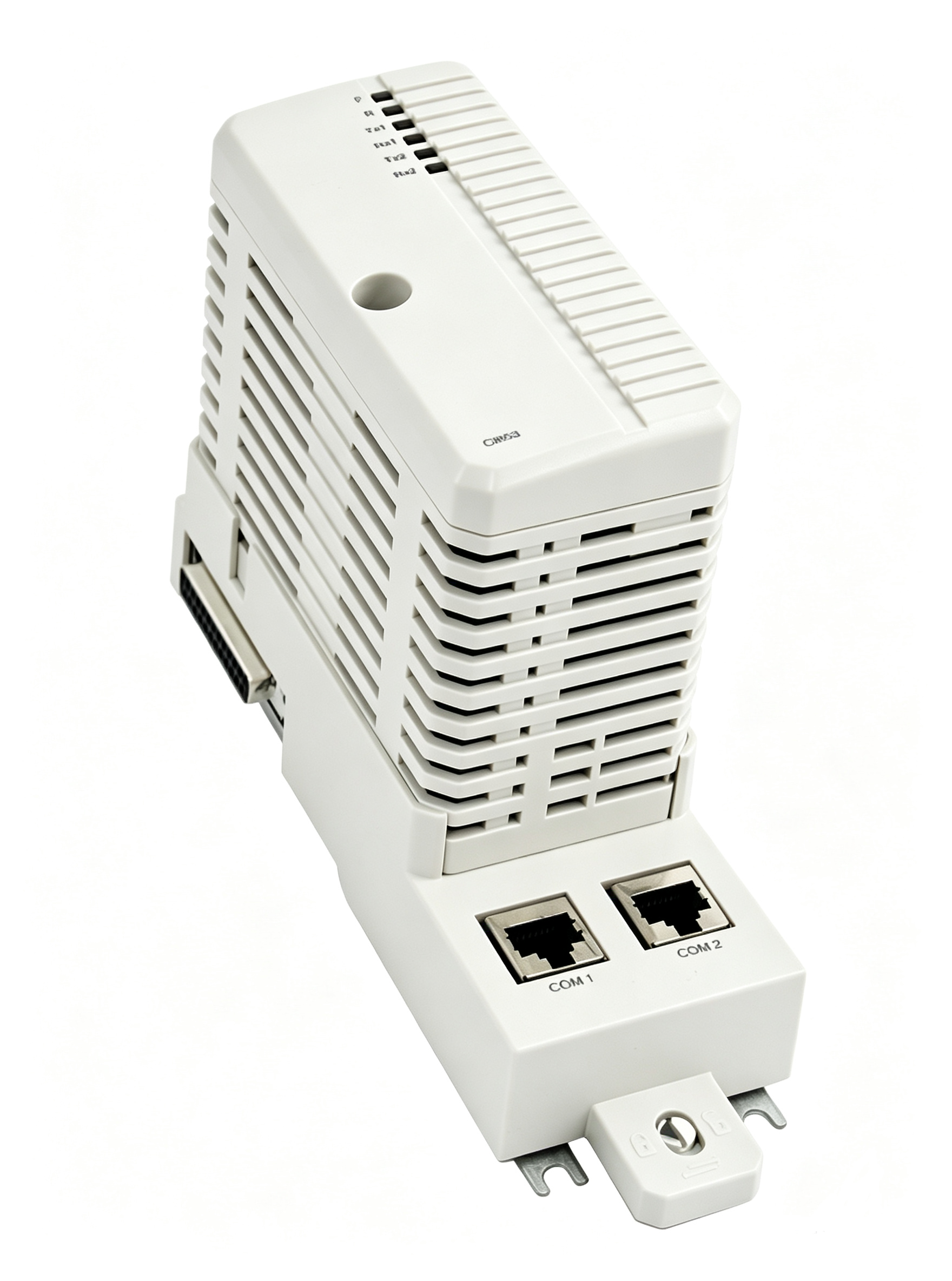
ABB RS-232C PORTS:2 Dual Serial Communication Interface Module
Product Overview
ABB RS-232C PORTS:2 is an industrial communication interface component designed to provide reliable serial communication capability within ABB automation environments. The module incorporates two RS-232 communication ports, allowing industrial control systems to exchange data with external devices, monitoring equipment, programming tools, and other automation components.
In modern industrial automation systems, communication interfaces play an essential role in connecting different levels of control equipment. Reliable data transmission between controllers, operator interfaces, computers, measurement devices, and industrial instruments is necessary for efficient system operation. ABB RS-232C PORTS:2 provides a practical communication solution for applications requiring stable serial connectivity and flexible device integration.
Based on ABB’s automation technology principles, this communication interface component is designed to support dependable signal transmission and smooth interaction between different industrial devices. Its dual-port configuration provides additional flexibility for system designers who require multiple serial communication channels within a single automation architecture.
Communication Function and Technical Characteristics
The ABB RS-232C PORTS:2 interface module is based on the widely used RS-232 serial communication standard, which has been applied in industrial environments for many years due to its simplicity, compatibility, and reliable data exchange capability. The module enables communication between ABB control systems and external serial devices that use RS-232 protocols.
With two independent RS-232 communication ports, ABB RS-232C PORTS:2 allows users to connect multiple serial devices simultaneously. This capability can improve system flexibility by reducing the need for additional communication hardware and simplifying automation system configuration.
The communication interface supports structured data exchange between connected devices, helping automation systems collect information, transfer commands, and maintain coordination between different equipment units. This function is especially important in industrial environments where accurate and continuous information flow is required.
The module design focuses on communication stability, operational reliability, and compatibility with industrial control applications. ABB RS-232C PORTS:2 provides an effective solution for integrating legacy serial devices and modern automation platforms within the same control environment.
Industrial Application Areas
ABB RS-232C PORTS:2 can be applied in various industrial automation fields where serial communication between devices is required. Many industrial systems still rely on RS-232 communication because of its proven reliability and compatibility with a wide range of instruments and control equipment.
Typical applications include factory automation systems, process monitoring equipment, industrial computers, configuration terminals, measurement instruments, programmable controllers, and communication gateways. The module helps establish communication channels between different devices and supports efficient data exchange throughout the automation network.
In manufacturing environments, ABB RS-232C PORTS:2 can assist with equipment monitoring, parameter configuration, and operational data transmission. In process industries, serial communication interfaces are often used for connecting specialized instruments and control devices that provide important operational information.
The dual communication port structure offers advantages in applications where multiple serial connections are required. Engineers can design more flexible automation systems by connecting different types of equipment through a centralized communication interface.
System Integration Advantages
Effective communication integration is an important part of industrial automation design. ABB RS-232C PORTS:2 helps simplify the connection between ABB control platforms and external serial equipment by providing a standardized communication method.
When integrated into an automation system, the module enables communication between different hardware components while maintaining organized data exchange. Engineers can configure communication parameters according to application requirements, allowing connected devices to operate together efficiently.
The use of dedicated communication modules improves system organization because communication functions can be managed independently from other control processes. This approach helps improve troubleshooting efficiency and supports easier system expansion.
ABB RS-232C PORTS:2 is particularly valuable in automation environments that combine modern control technologies with existing serial-based equipment. The module provides a bridge between different generations of industrial devices, helping organizations maintain reliable system operation.
Performance and Reliability Features
Industrial communication systems require consistent performance because communication interruptions can affect production processes and equipment coordination. ABB RS-232C PORTS:2 is designed to provide stable communication performance for industrial automation applications.
The module supports dependable serial data transmission, helping ensure that control commands, monitoring information, and configuration data can be exchanged accurately between connected devices. Reliable communication contributes to improved automation efficiency and better system control.
ABB automation components are developed according to strict engineering standards, focusing on long-term operational stability and compatibility with industrial environments. The ABB RS-232C PORTS:2 communication interface follows this design philosophy by providing practical functionality for automation systems requiring serial communication capability.
Engineering Considerations and Maintenance
When applying ABB RS-232C PORTS:2 in industrial systems, engineers should consider communication parameters, connected device requirements, system architecture, and application conditions. Proper configuration ensures efficient communication and improves overall system performance.
Maintenance of communication systems includes checking connection conditions, verifying communication settings, and monitoring system operation. A well-managed communication interface helps reduce unexpected communication problems and supports continuous automation performance.
The structured design of ABB communication components allows technicians to manage system maintenance more effectively. Clear communication organization and reliable hardware integration contribute to easier system management throughout the operational lifecycle.
Conclusion
ABB RS-232C PORTS:2 is a dual serial communication interface component designed to provide reliable RS-232 connectivity for industrial automation applications. With two communication ports, stable data transmission capability, and flexible system integration performance, it supports efficient communication between ABB control systems and external industrial devices.
Through dependable communication functionality and practical industrial application advantages, ABB RS-232C PORTS:2 provides an effective solution for automation engineers seeking reliable serial connectivity. It plays an important role in improving equipment communication, system coordination, and overall automation efficiency in industrial environments.

评价
目前还没有评价