
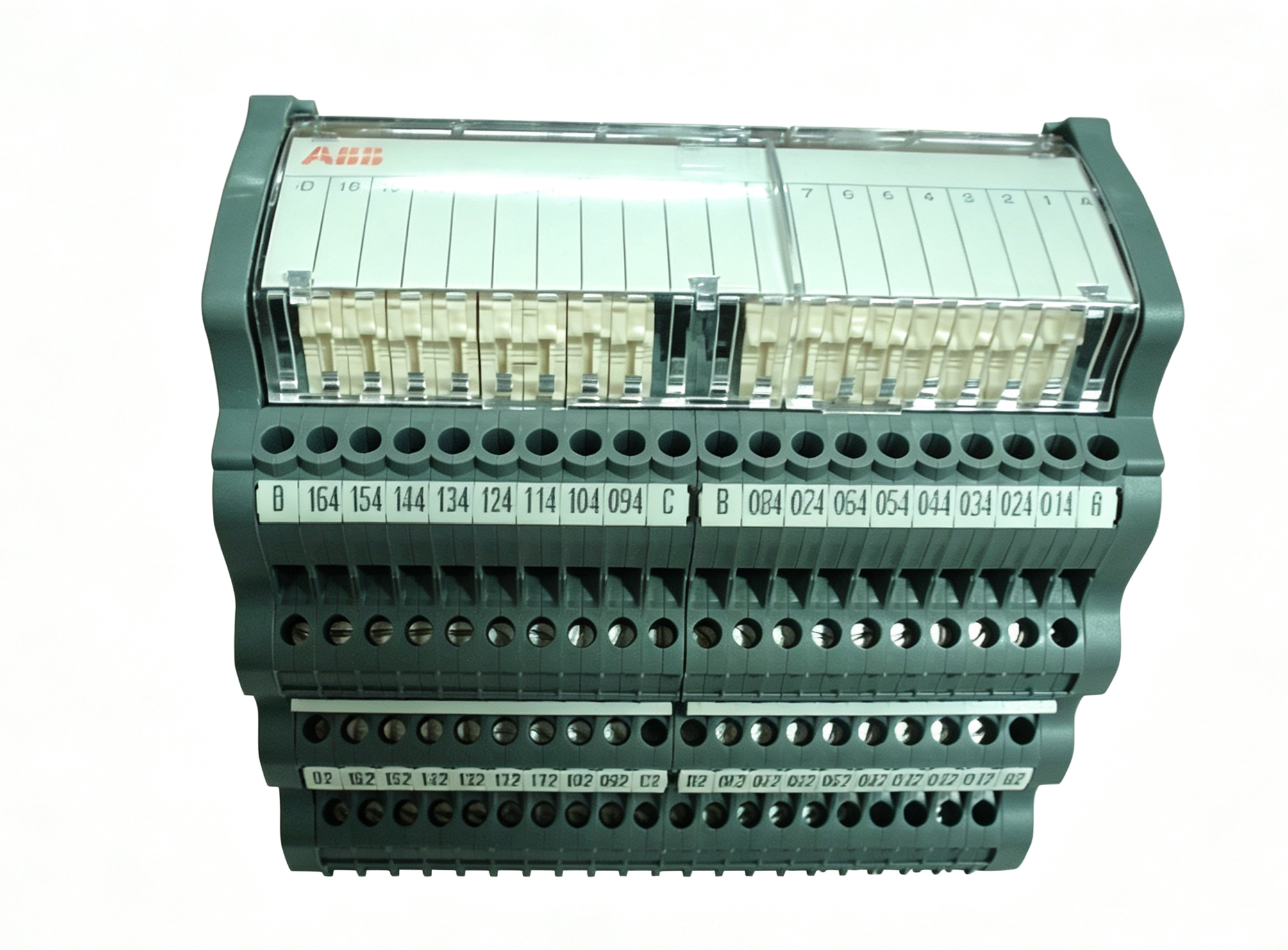
ABB 1SNA631125R1500 BRI-1621N Decoupling Interface Relay Module Overview
The ABB 1SNA631125R1500, identified as the BRI-1621N decoupling interface relay module, is an industrial-grade control panel component designed to manage electrical signal separation and interface coordination between automation systems and field devices. In modern industrial environments, where complex control architectures require stable and interference-free communication, this module plays a critical role in ensuring electrical isolation, signal integrity, and system safety. It is widely used in control cabinets, distributed automation systems, and process control environments where reliability and structured signal flow are essential.
Role in Industrial Automation and Control Systems
Industrial automation systems rely on multiple layers of control, ranging from field sensors and actuators to programmable logic controllers and supervisory systems. The ABB 1SNA631125R1500 serves as an intermediate interface layer that ensures proper signal translation and electrical decoupling between these components. Without such interface modules, direct electrical coupling between systems could lead to noise interference, unstable signal behavior, and potential equipment damage.
This module helps maintain structured communication by isolating input and output circuits. It ensures that control signals generated by PLCs or control units are safely transmitted to field devices without exposing sensitive control electronics to external electrical disturbances. Similarly, feedback signals from industrial equipment are conditioned and stabilized before being returned to the control system for processing.
Electrical Isolation and Signal Decoupling Technology
One of the most important functions of the ABB BRI-1621N module is electrical isolation. In industrial environments, electrical noise generated by motors, drives, switching devices, and heavy machinery can significantly impact signal quality. The 1SNA631125R1500 addresses this challenge by providing relay-based decoupling between circuits.
This decoupling function ensures that high-voltage or noisy signal environments do not interfere with low-voltage control logic circuits. By physically and electrically separating different signal domains, the module enhances system safety and reduces the risk of signal distortion. This is particularly important in automation systems where even small signal errors can lead to process inefficiencies or operational instability.
Mechanical Design and Installation Structure
The ABB 1SNA631125R1500 is designed for DIN rail installation, making it suitable for standardized industrial control panels. Its compact modular structure allows engineers to install multiple units in a structured and space-efficient manner within electrical cabinets. This design supports scalability, enabling system expansion without major redesign of control panels.
The module features secure terminal connections that ensure stable wiring over long operational periods. These connections are designed to withstand vibration, thermal expansion, and mechanical stress commonly found in industrial environments. As a result, the module maintains consistent electrical performance even under continuous operation conditions.
Signal Processing and Relay Functionality
At its core, the ABB 1SNA631125R1500 operates as a relay interface module that manages signal switching between control systems and field devices. The relay mechanism allows the module to handle electrical isolation while still enabling efficient signal transmission. This combination of switching and decoupling functionality makes it highly effective in automation systems requiring both safety and responsiveness.
The signal path inside the module is designed to minimize delay and maintain consistent response behavior. This ensures that control commands are executed accurately and feedback signals are transmitted without distortion. The relay structure also provides a natural buffer between different voltage levels, improving system robustness.
Integration into Modern Automation Architectures
The ABB BRI-1621N module is widely used in distributed control systems (DCS) and programmable logic controller (PLC) environments. It acts as a bridge between digital control logic and real-world industrial equipment. Its standardized design allows seamless integration into both new automation installations and retrofit projects where legacy systems are upgraded.
In modern Industry 4.0 environments, where data-driven automation is essential, interface modules like the 1SNA631125R1500 ensure reliable signal exchange between physical devices and digital control platforms. This contributes to improved system transparency, better monitoring capabilities, and enhanced operational efficiency.
Industrial Application Scenarios
The ABB 1SNA631125R1500 is applicable across a wide range of industrial sectors. In manufacturing systems, it supports machine control signal distribution and ensures stable operation of production lines. In energy systems, it is used for structured signal isolation in power distribution and monitoring systems. In process industries such as chemical production and water treatment, it helps maintain safe and reliable signal transmission between sensors and control units.
It is also used in transportation infrastructure, building automation systems, and industrial robotics applications. In each of these environments, the module contributes to reducing electrical noise interference and improving overall system reliability.
Reliability and Long-Term Operation
The ABB 1SNA631125R1500 is engineered for long-term industrial operation, where continuous performance and minimal downtime are critical. Its relay-based architecture is designed for repeated switching cycles without degradation in performance. This makes it suitable for systems that require frequent signal switching and continuous operation over extended periods.
The module is also designed to perform reliably in environments with temperature variation, electrical interference, and mechanical vibration. These characteristics ensure stable operation in demanding industrial conditions where equipment reliability directly impacts production efficiency.
Maintenance and System Optimization
From a maintenance perspective, the modular design of the ABB BRI-1621N simplifies system diagnostics and replacement procedures. Technicians can quickly identify and replace individual modules without affecting the entire control system. This reduces maintenance time and improves overall system availability.
Regular inspection of terminal connections and wiring integrity is recommended to ensure continued optimal performance. Proper installation practices also contribute significantly to long-term system stability and reduced operational risk.
Conclusion
The ABB 1SNA631125R1500 BRI-1621N decoupling interface relay module is a critical component in modern industrial automation systems. Its ability to provide electrical isolation, stable signal switching, and structured integration into control panel architectures makes it an essential element for reliable industrial operation. By ensuring safe signal separation and improving communication integrity between system components, it supports efficient, stable, and scalable automation system design across a wide range of industrial applications.

评价
目前还没有评价