
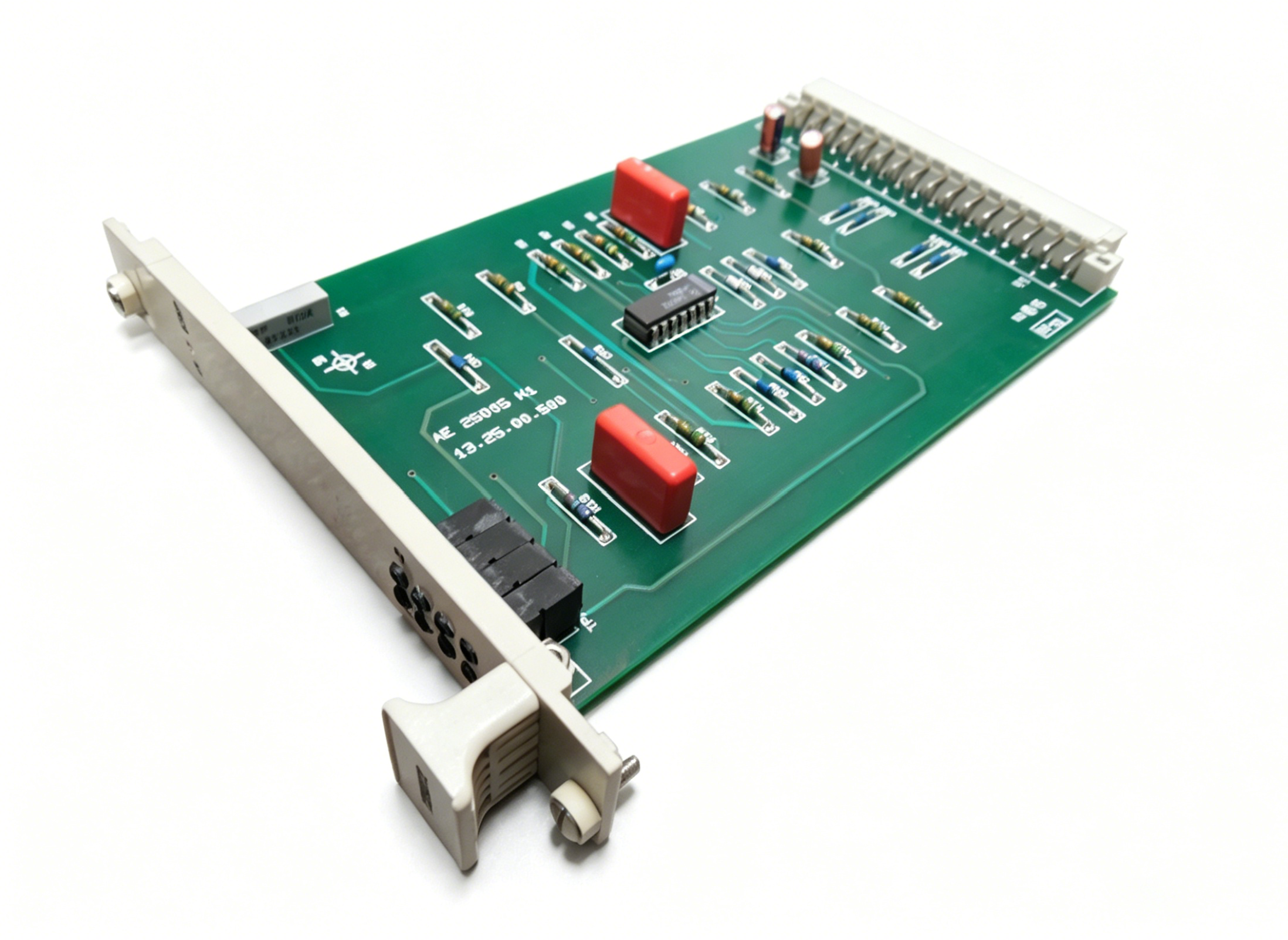
ABB 720072 AK-25005-K1 STAL Turbine Control PCB Module
The ABB 720072 AK-25005-K1 STAL Turbine Control PCB Module is a high-performance industrial electronic component developed for turbine automation, power generation facilities, and advanced industrial process control systems. Modern industrial operations rely on sophisticated automation technologies to manage critical equipment, maintain operational efficiency, and ensure long-term system reliability. Within these environments, control PCB modules serve as essential elements that facilitate communication, signal processing, and coordinated control functions throughout the automation infrastructure.
ABB has established a strong reputation in industrial automation and power generation technologies through decades of engineering innovation. The STAL series of turbine control components has been widely utilized in applications requiring dependable control and monitoring capabilities. The ABB 720072 AK-25005-K1 module represents an important part of this control architecture, providing the electronic functionality required to support reliable turbine operation and process management.
As industrial systems continue to become more automated and interconnected, the demand for dependable control hardware continues to increase. Facilities operating turbines, generators, compressors, and large-scale process equipment require modules capable of maintaining accurate communication and stable performance under demanding operating conditions. The ABB 720072 AK-25005-K1 is designed to meet these requirements while contributing to operational efficiency and system reliability.
Role within Turbine Automation Systems
Turbine automation systems require precise coordination between multiple control elements to maintain efficient operation. Turbines operate under varying load conditions and must respond quickly to changes in demand while maintaining stable performance. Automation platforms continuously monitor operating parameters and execute control actions to ensure optimal equipment functionality.
The ABB 720072 AK-25005-K1 STAL Turbine Control PCB Module supports these requirements by assisting in the processing and distribution of operational information throughout the control system. Its functionality helps ensure effective communication between controllers, monitoring equipment, and field devices involved in turbine management.
Reliable turbine control contributes directly to improved energy efficiency, optimized equipment performance, and enhanced operational reliability. By supporting coordinated system operation, the module helps organizations maintain productive and efficient industrial processes.
Signal Processing Capabilities
Signal processing is one of the most critical functions within industrial automation systems. Sensors installed throughout the facility generate continuous streams of operational information that must be collected, processed, and distributed accurately. This information supports monitoring, diagnostics, and real-time control activities.
The ABB 720072 AK-25005-K1 contributes to signal processing requirements by helping manage operational data within the automation environment. Accurate information handling enables control systems to maintain visibility into equipment status and process conditions, supporting informed decision-making and improved operational performance.
Effective signal processing also helps improve process stability and reduces the risk of operational disruptions caused by inaccurate or delayed information transmission.
Communication Management and System Integration
Modern industrial facilities depend on communication networks that connect controllers, operator stations, supervisory systems, and field devices into a unified automation platform. Reliable communication is essential for maintaining synchronization between system components and ensuring coordinated operation.
The ABB 720072 AK-25005-K1 supports communication management functions that facilitate information exchange across the control architecture. By enabling dependable interaction between various automation elements, the module contributes to overall system performance and operational effectiveness.
Integration capabilities are particularly important in facilities implementing advanced automation strategies. Components that support seamless communication and compatibility with existing control infrastructures provide greater flexibility and long-term value.
Applications in Power Generation Facilities
Power generation environments represent one of the primary application areas for the ABB 720072 AK-25005-K1 STAL Turbine Control PCB Module. Turbine systems used in power plants require accurate monitoring and responsive control technologies to maintain stable electricity production and operational safety.
The module supports the automation infrastructure that enables operators to monitor system conditions, manage equipment performance, and optimize energy production processes. Reliable control technology helps ensure that critical power generation assets operate efficiently and consistently.
In addition to turbine control applications, the module can contribute to auxiliary system management where communication, monitoring, and control functions are essential.
Industrial Process Control Applications
Beyond power generation, the ABB 720072 AK-25005-K1 can be utilized in a variety of industrial sectors requiring sophisticated automation solutions. Oil and gas processing facilities, chemical manufacturing plants, mining operations, pulp and paper mills, and water treatment facilities all depend on reliable control technologies to maintain efficient operations.
Within these environments, the module contributes to process stability by supporting communication management and operational coordination. Effective automation infrastructure helps organizations improve productivity while maintaining process consistency and equipment reliability.
Reliability in Demanding Industrial Environments
Industrial automation systems frequently operate continuously for extended periods and are exposed to challenging environmental conditions. Electronic modules integrated within these systems must maintain dependable performance despite fluctuating workloads and demanding operational requirements.
The ABB 720072 AK-25005-K1 is designed to support reliable operation within these environments. Its role within the control architecture helps maintain communication integrity, signal accuracy, and stable control performance over long service intervals.
Reliable hardware contributes to reduced downtime, improved maintenance efficiency, and enhanced confidence in overall system performance. These advantages are particularly important in applications where operational interruptions can result in significant production losses.
Operational Benefits
Organizations implementing advanced automation systems benefit from components that support stable operation and effective communication. The ABB 720072 AK-25005-K1 provides advantages through its contribution to signal processing, communication management, and system integration activities.
Enhanced operational visibility, reliable information handling, and coordinated system performance contribute to improved productivity and more efficient equipment utilization. These benefits support broader industrial objectives focused on performance optimization and operational excellence.
The module also supports maintenance and diagnostic activities by helping ensure that critical operational information remains accessible throughout the automation environment.
Conclusion
The ABB 720072 AK-25005-K1 STAL Turbine Control PCB Module is an essential component within industrial automation and power generation systems. Designed to support signal processing, communication management, operational coordination, and system integration, the module contributes to reliable performance across a wide range of industrial applications.
By combining dependable functionality with compatibility for ABB STAL turbine control architectures, the ABB 720072 AK-25005-K1 helps organizations maintain operational stability, improve process efficiency, and support long-term automation objectives. Its role within turbine automation and industrial process control environments highlights the importance of advanced electronic technology in achieving reliable and efficient industrial operations.

评价
目前还没有评价