
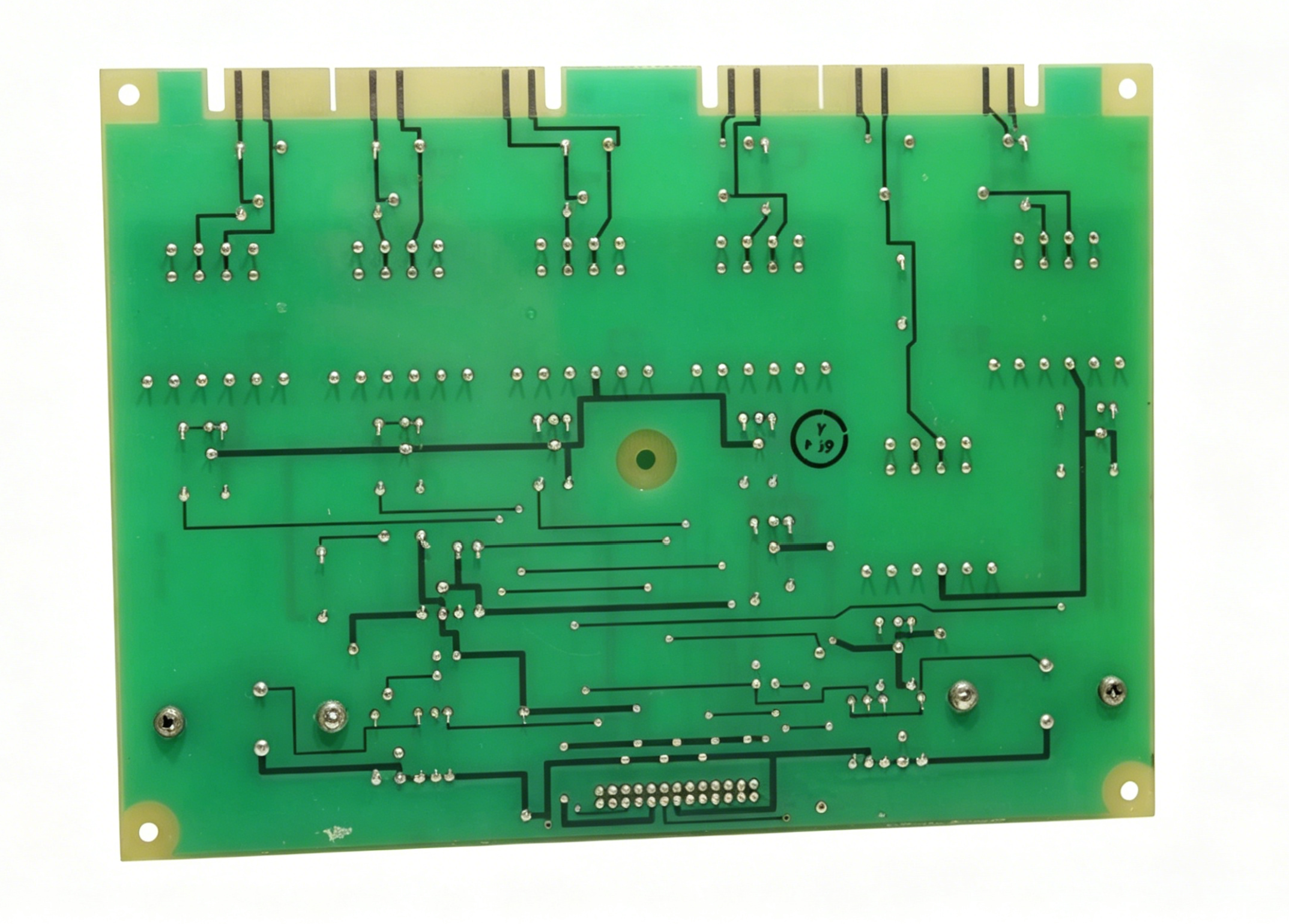
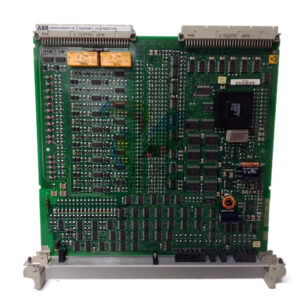
ABB 07TJ206ER1 Timer Board
The ABB 07TJ206ER1 Timer Board is designed for industrial automation applications where accurate timing management and dependable signal coordination are required. In modern manufacturing and process control environments, timing functions play a significant role in maintaining synchronization between system operations and ensuring that control actions occur according to predefined sequences. The module supports these requirements by providing a structured timing control function integrated into automation systems.
Industrial facilities rely on stable communication and coordinated timing mechanisms to maintain process continuity. Within these environments, timing boards act as important control elements because they manage operational intervals, trigger control events, and support the interaction between different components of a larger system architecture. The ABB 07TJ206ER1 Timer Board is designed to contribute to these functions while supporting overall system consistency.
Product Features
| Feature | Description |
|---|---|
| Timing Control Function | Supports timing operations used within automation and process environments. |
| Signal Coordination | Assists communication and synchronization among connected control components. |
| System Integration | Designed for integration with industrial automation architectures. |
| Operational Stability | Helps maintain dependable performance in demanding environments. |
| Control Logic Support | Contributes to sequential process operation and coordinated system functions. |
Industrial Automation Applications
The ABB 07TJ206ER1 Timer Board can be utilized in a variety of industrial sectors where precise timing and controlled operational sequences are important. Automation systems often require modules capable of supporting coordinated actions between sensors, control processors, communication systems, and output devices. Timing modules become essential for maintaining these relationships.
Industries including power generation, manufacturing facilities, processing plants, oil and gas systems, and infrastructure environments may utilize timing control technologies as part of their operational architecture. The board supports environments where process consistency and organized signal timing contribute to system performance.
Automation engineers frequently design systems that rely on accurate control intervals and synchronized actions. Timing boards assist by helping define operational sequences that support productivity while minimizing interruptions in automated processes.
System Performance and Functional Role
Timing modules perform more than simple countdown or delay functions. In complex industrial systems, timing management contributes to process synchronization and helps ensure that individual devices operate according to planned sequences. The ABB 07TJ206ER1 Timer Board supports these operational requirements by functioning as a component within broader control structures.
Efficient timing control contributes to optimized production activities and improved process consistency. The coordination between controllers and system components becomes increasingly important as industrial facilities continue to implement advanced automation technologies.
The integration of timing functionality can influence operational efficiency by ensuring that tasks occur within expected time intervals. This coordination helps support stable process flow and can reduce unnecessary operational delays.
Benefits of Reliable Timing Control
Modern industrial systems depend on multiple components operating together within synchronized environments. Timing control modules assist with maintaining organized communication between devices and support consistent execution of programmed tasks.
The ABB 07TJ206ER1 Timer Board supports these objectives by contributing to process organization and helping maintain timing accuracy across connected systems. Stable timing functions are often associated with improved operational continuity and predictable system behavior.
As industrial facilities continue adopting increasingly sophisticated automation systems, the role of dependable timing control technology remains important. Components designed for timing management support system coordination and help create efficient operating environments capable of meeting demanding industrial requirements.
Conclusion
The ABB 07TJ206ER1 Timer Board serves as a timing and coordination component within industrial automation systems. Its functional role in timing management, signal interaction, and operational synchronization supports broader control architectures used across multiple industries. By contributing to structured timing operations and integrated control environments, the module supports reliable automation performance and effective process management.

评价
目前还没有评价